
Sagittarius
A chart to find your bearings, five stars to start with and links to continue exploring.
Latin name: Sagittarius · Genitive: Sagittarii · International abbreviation: Sgr
Record an observation →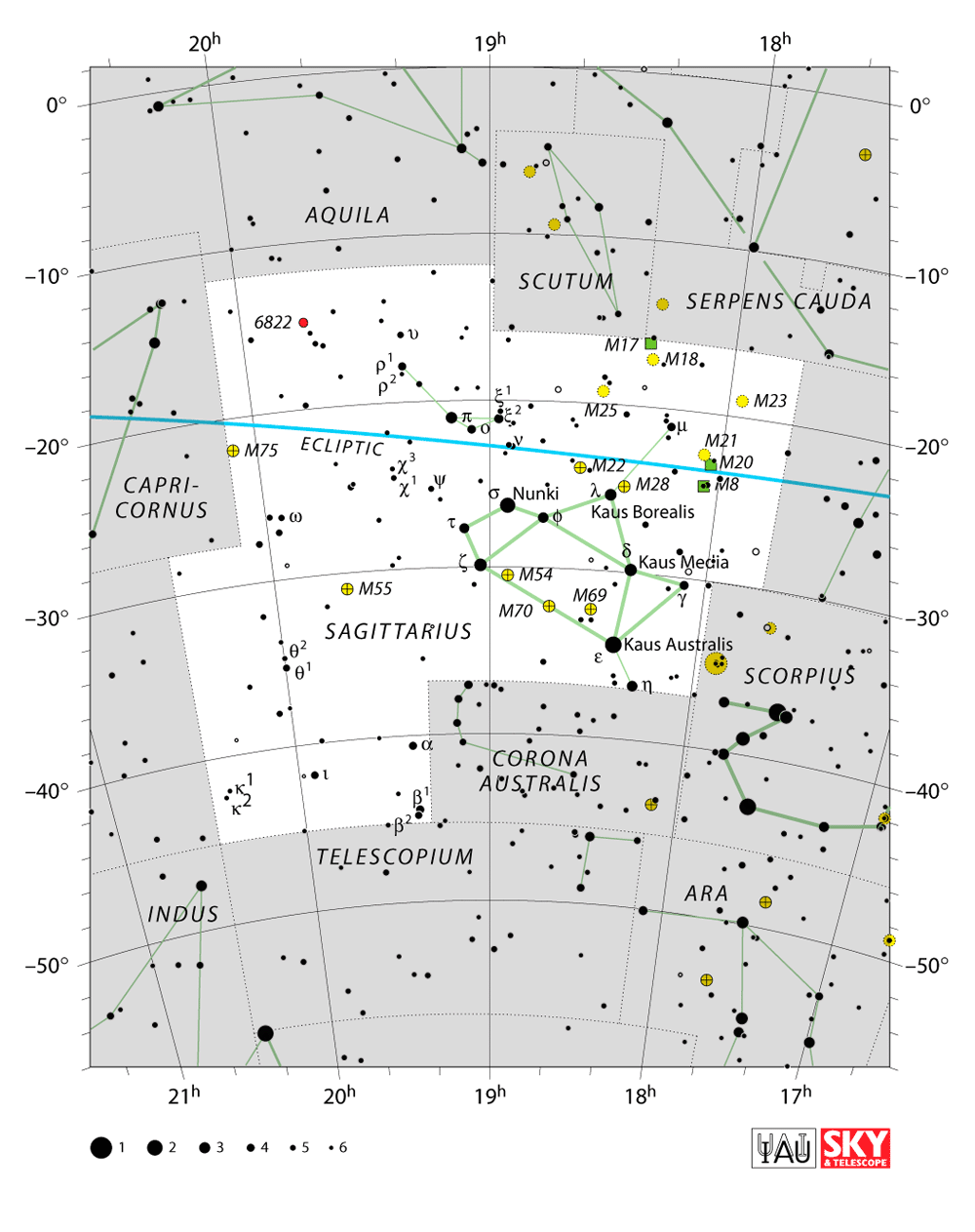
How to read this chart
The boundaries outline an official region of the sky. Lines between stars are visual conventions; they do not represent physical connections. Dot sizes indicate apparent brightness.
Coordinates are for epoch J2000. The chart shows neither your horizon nor the current positions of the Moon or planets. Names and symbols are those of the original chart.
Messier objects
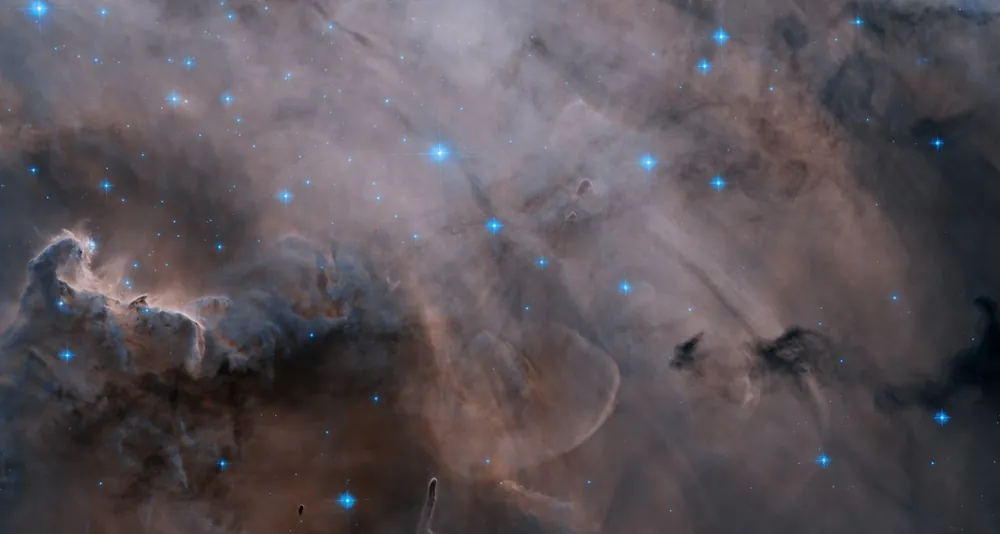 M8 · Lagoon NebulaDiffuse nebula
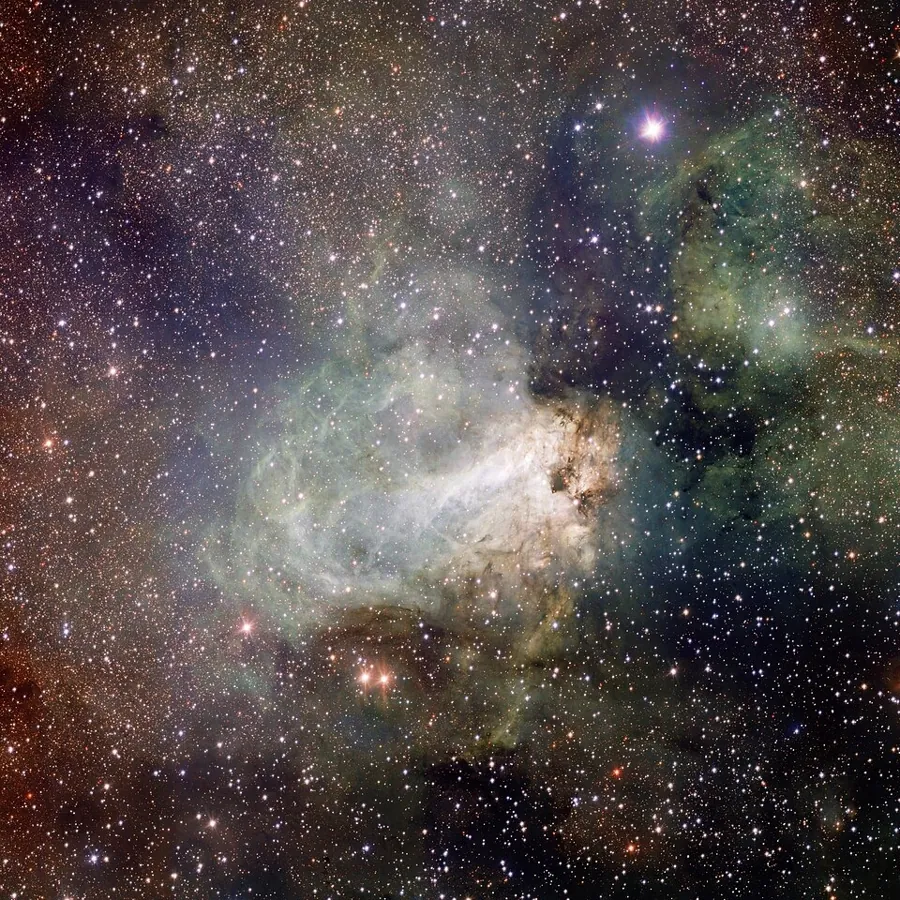 M17 · Omega NebulaDiffuse nebula
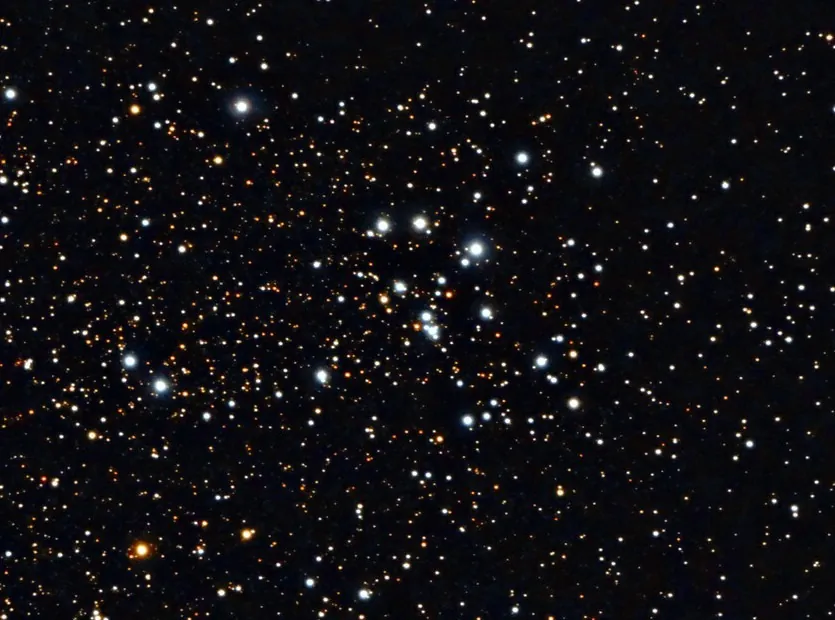 M18 · NGC 6613Open cluster
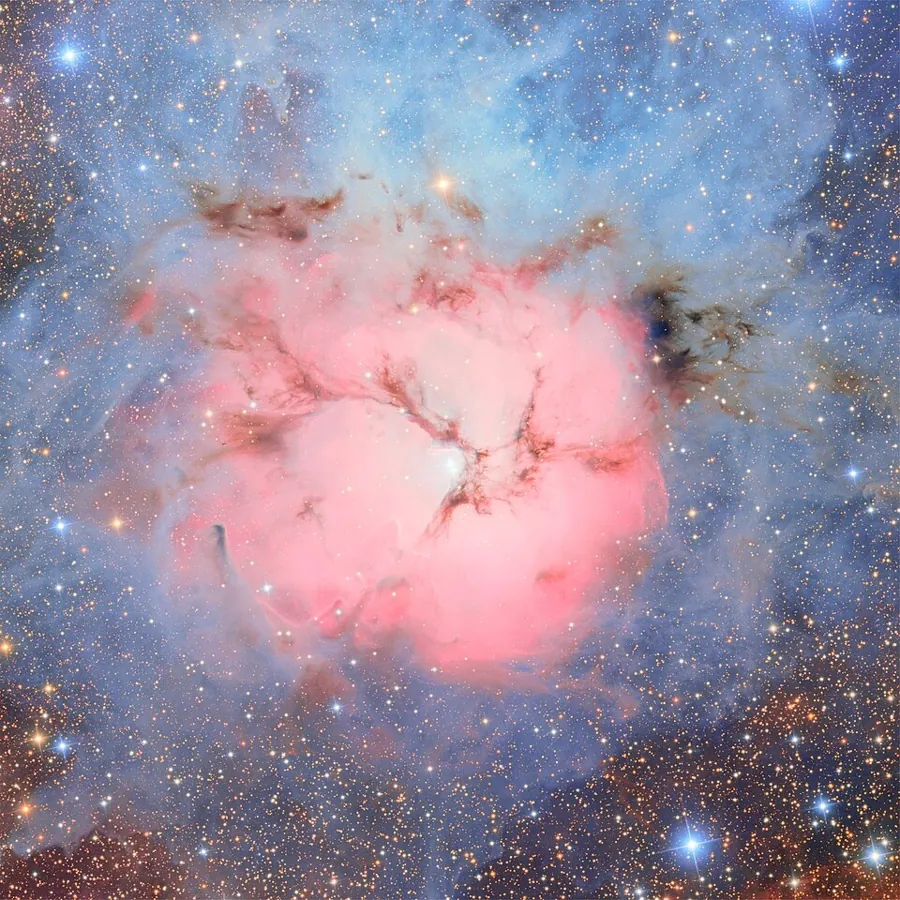 M20 · Trifid NebulaDiffuse nebula
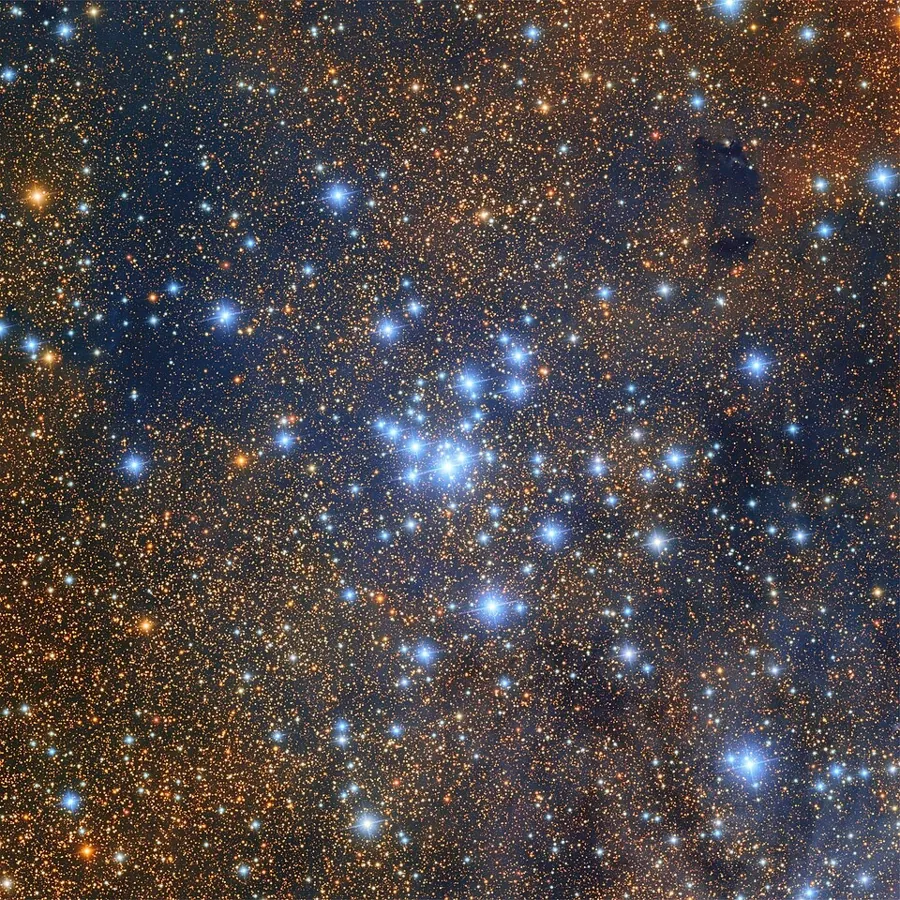 M21 · NGC 6531Open cluster
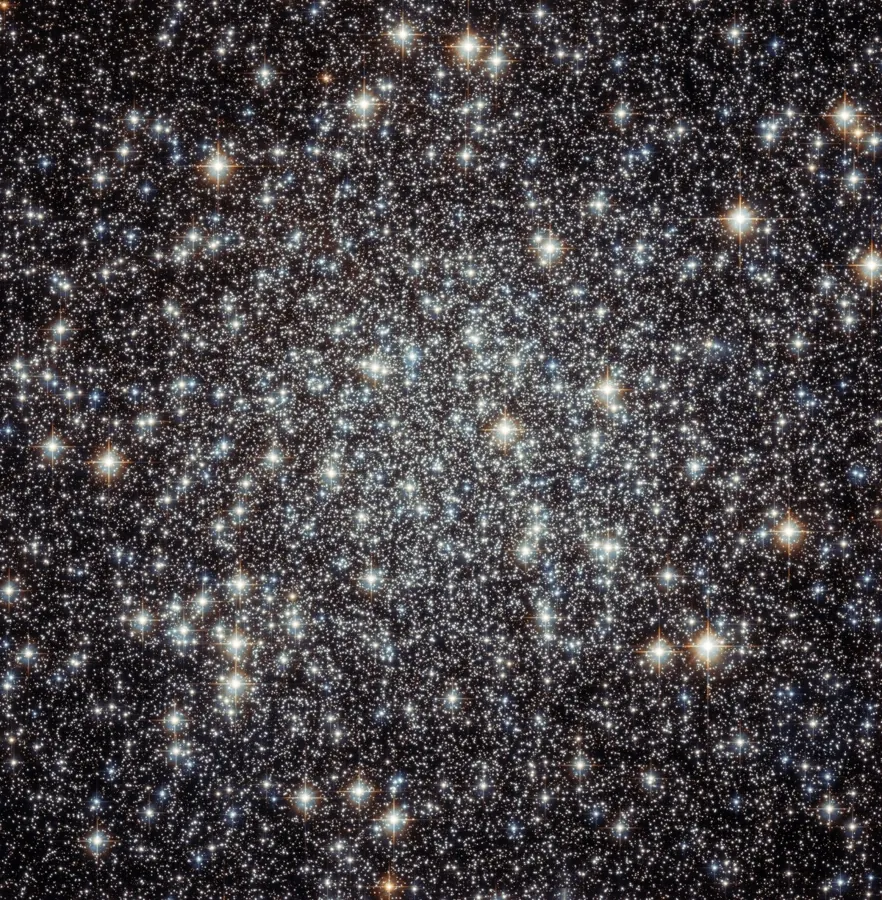 M22 · NGC 6656Globular cluster
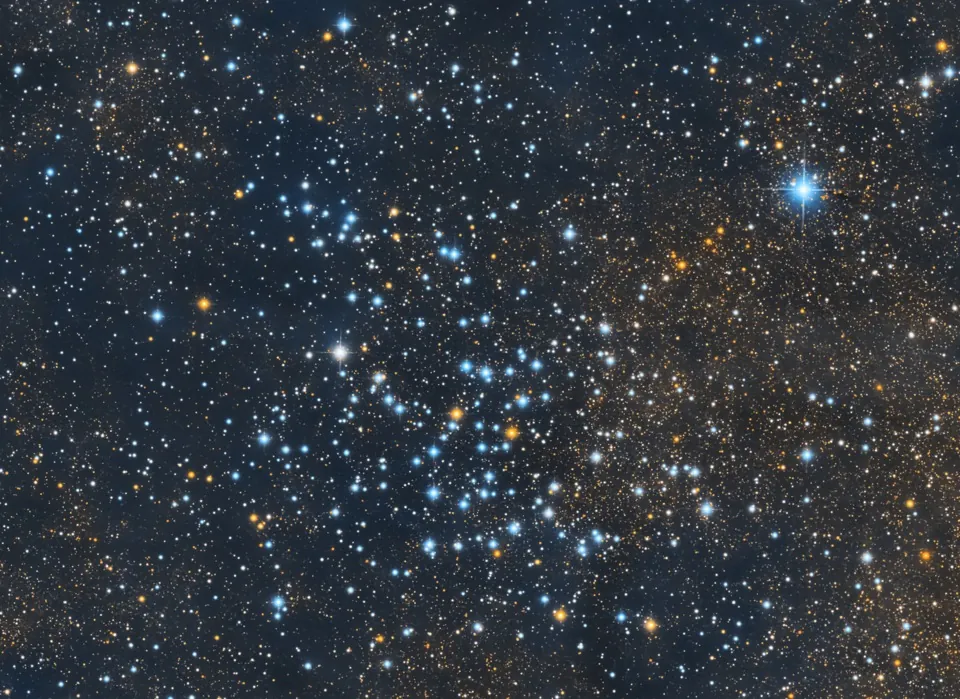 M23 · NGC 6494Open cluster
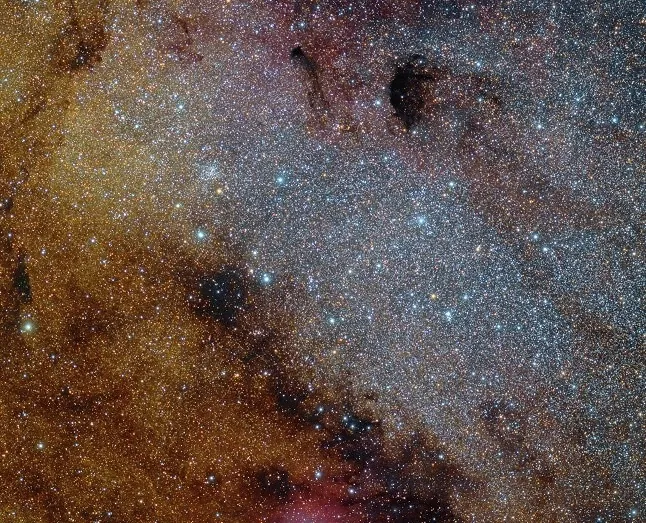 M24 · Small Sagittarius Star CloudStar cloud
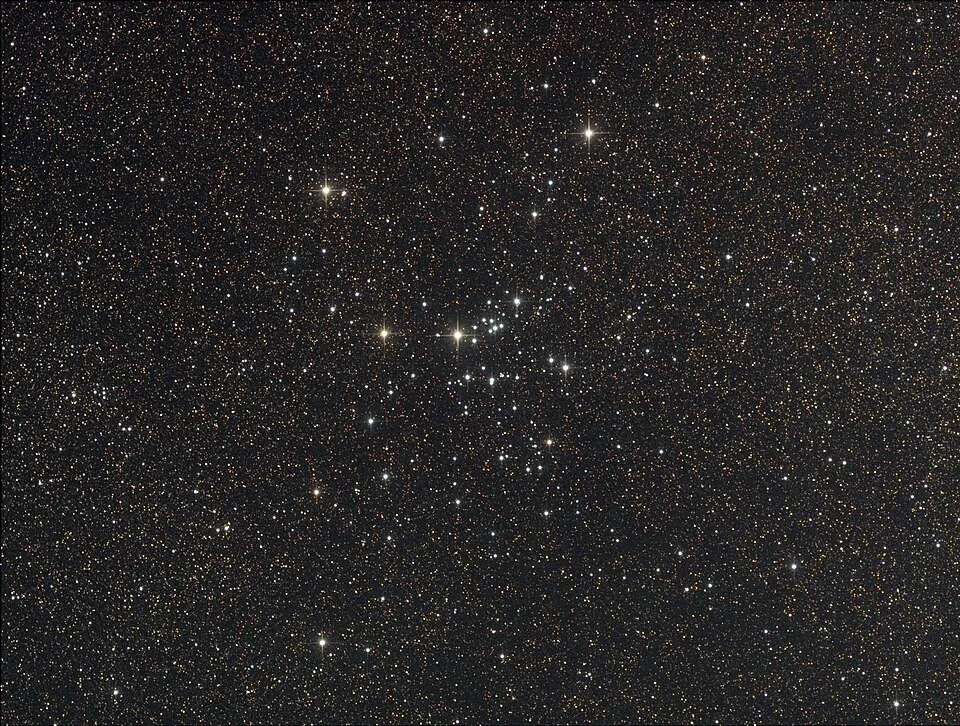 M25 · IC4725Open cluster
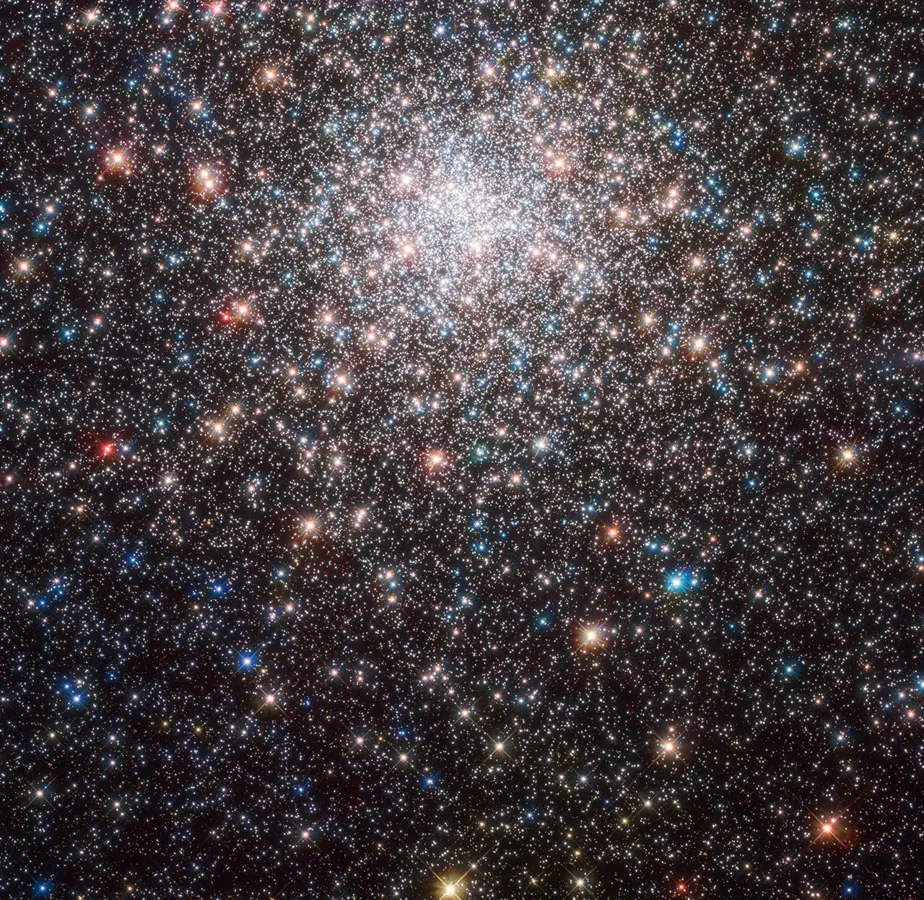 M28 · NGC 6626Globular cluster
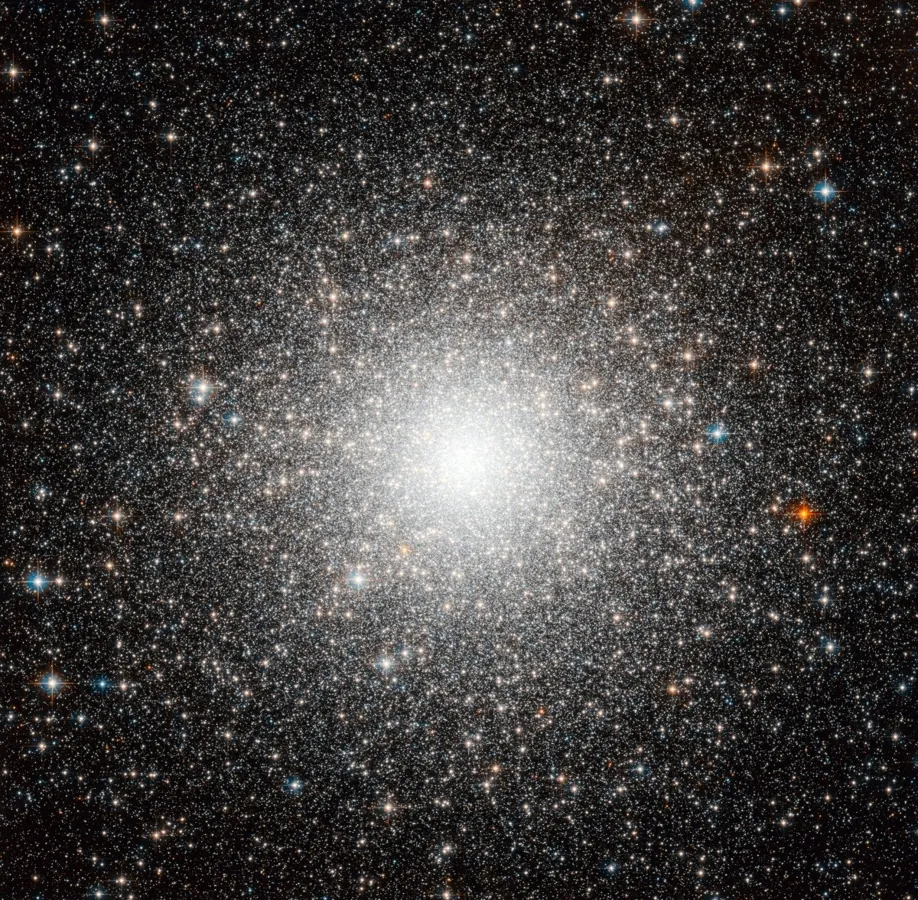 M54 · NGC 6715Globular cluster
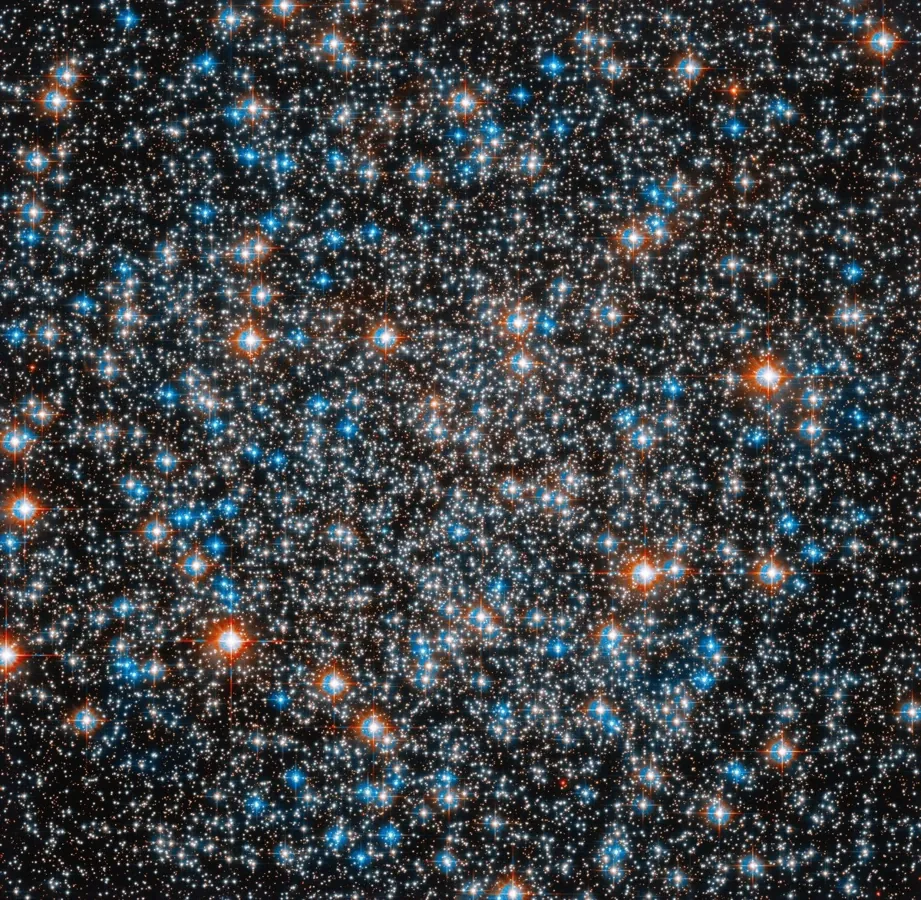 M55 · NGC 6809Globular cluster
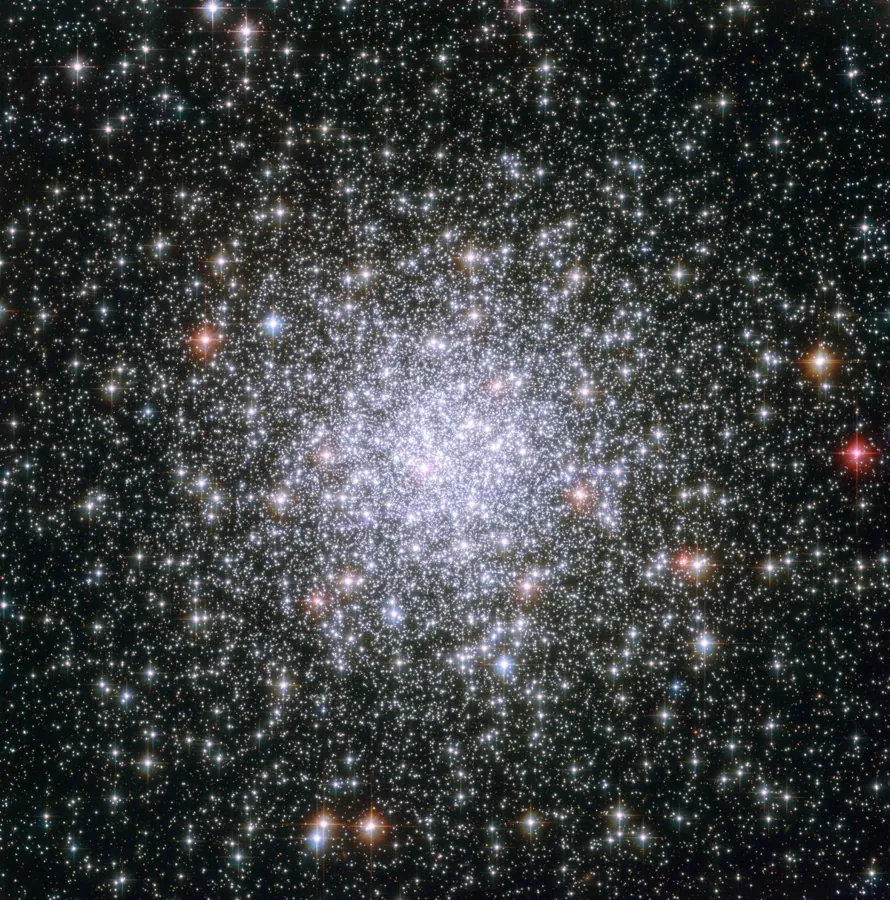 M69 · NGC 6637Globular cluster
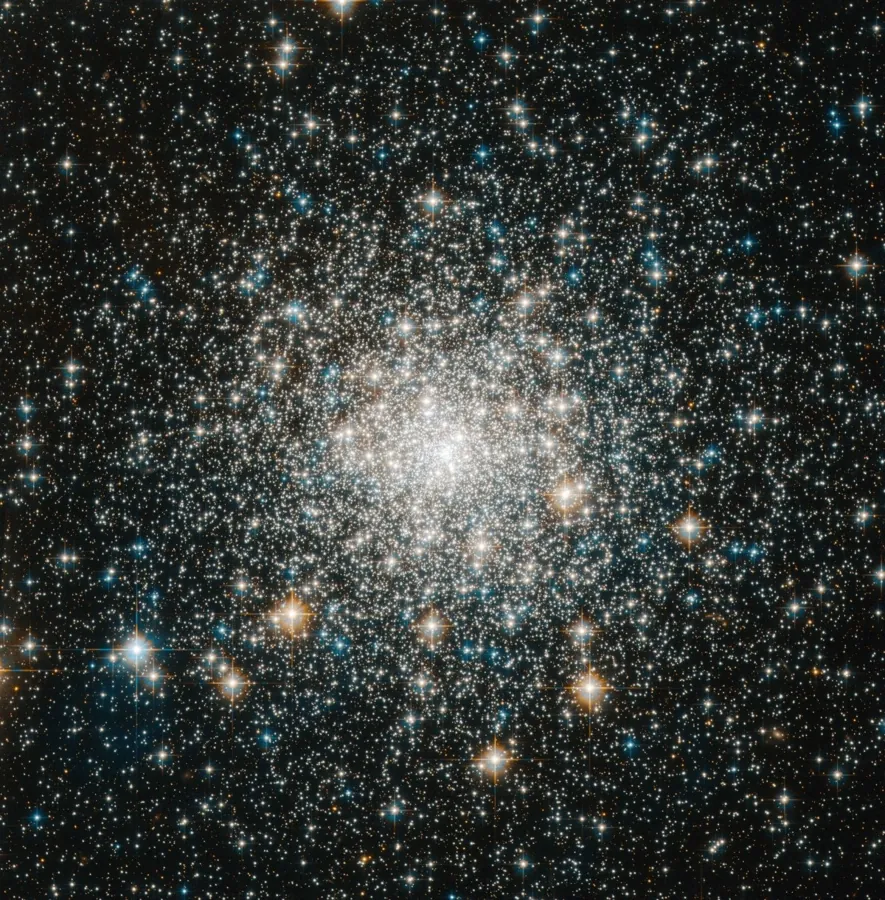 M70 · NGC 6681Globular cluster
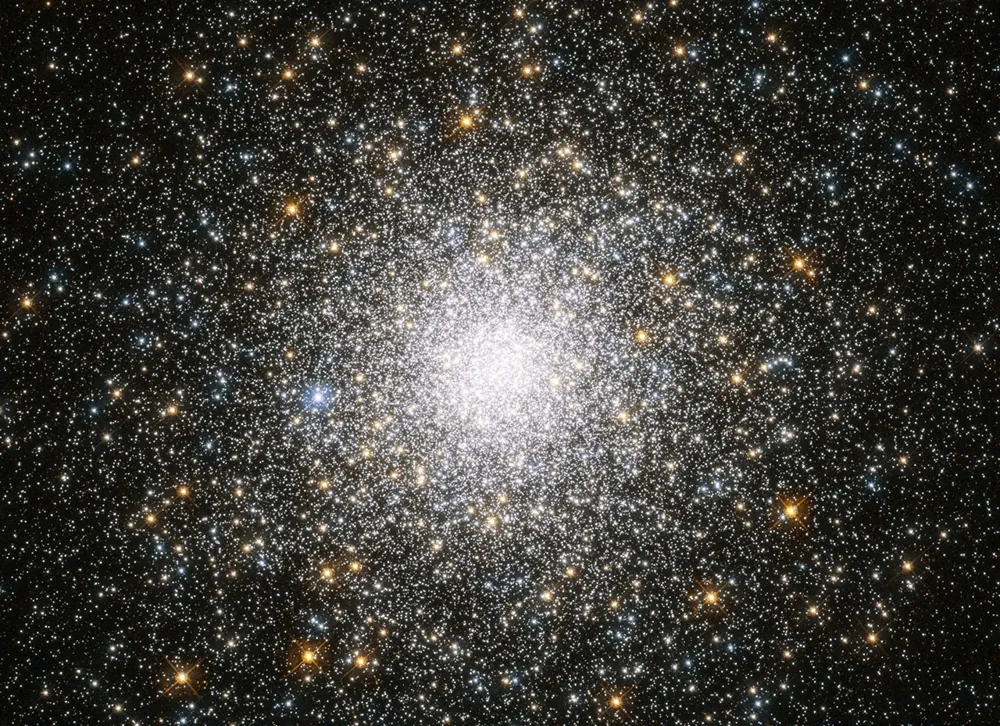 M75 · NGC 6864Globular cluster
Sources and conventions
Fact sheets adapted from Steve Cimolino’s volume II, Comprendre comment explorer le ciel, version dated 17 October 2026. French names and the selection of five stars are taken from the book. The Latin name of Apus was corrected against the IAU list.
Charts: IAU / Sky & Telescope, Roger Sinnott and Rick Fienberg; line figures by Alan MacRobert. Epoch J2000. CC BY 4.0. The book’s files were losslessly converted to WebP, without cropping or changes to the line figures. Names on the charts retain their original language.
Stars and magnitudes: data from the book adapted from HYG v4.1, David Nash, under CC BY-SA 4.0. The relevant adaptations retain this licence. Magnitudes are indicative, particularly for variable stars.
Discover volume II →