The portal / GSLV · Mk I / Mk II · Rockets and astronauts
Satellites and probes
GSLV · Mk I / Mk II
India learns to master a cryogenic upper stage.
GSLV stands for Geosynchronous Satellite Launch Vehicle. This entry covers Mk I and Mk II; LVM3, formerly called GSLV Mk III, has a different architecture and its own entry.
IndiaCountry or programme
2001First flight / test
No crewed flightHuman spaceflight
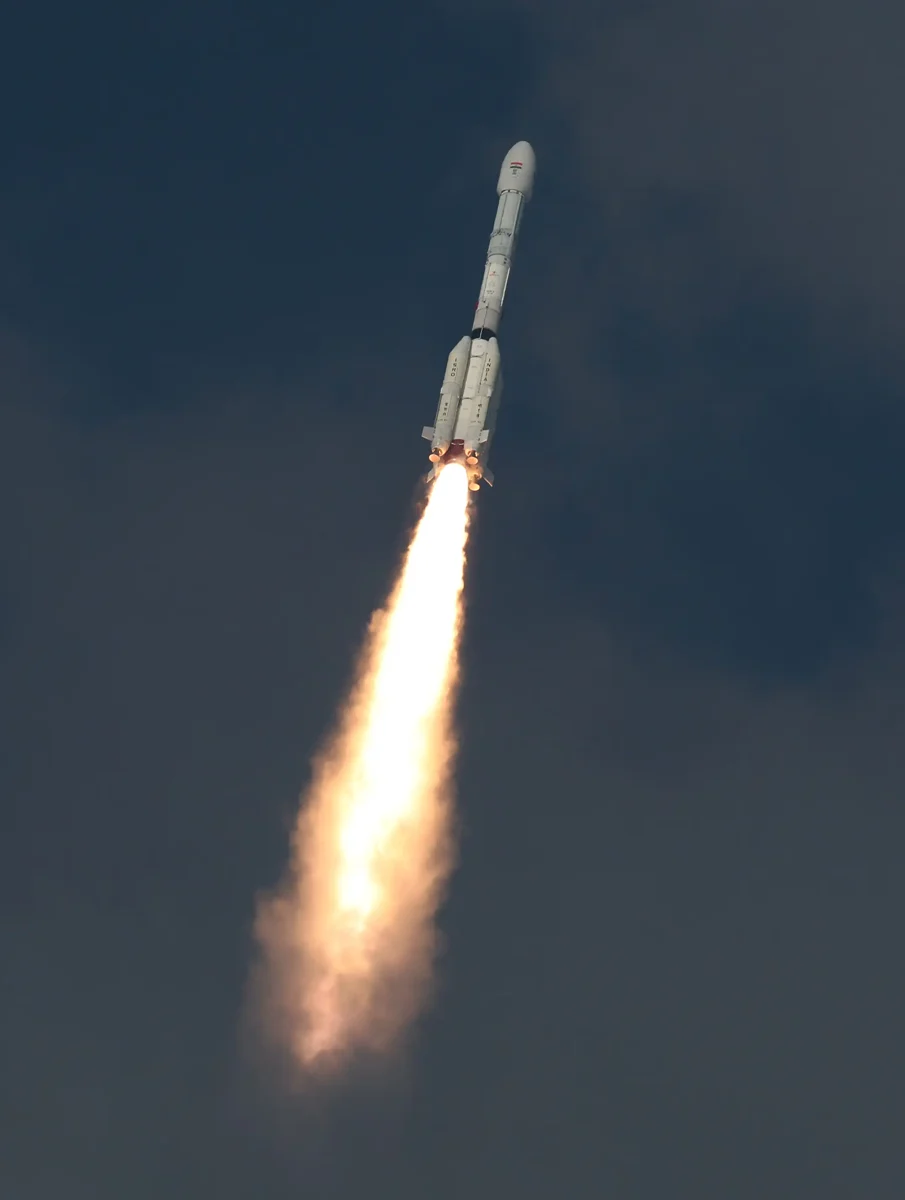
GSLV-F16 lifting off with the NISAR satellite. · Indian Space Research Organisation (ISRO) · Source · GODL-India · Resized and converted to WebP; original proportions preserved.
A history of launches
The first flight takes place in 2001. The aim is to place heavier satellites into geostationary transfer orbit, a step toward the positions used for communications and weather monitoring.
Early vehicles use a Russian-supplied cryogenic stage. Developing an Indian stage presents a major challenge, with an important success on GSLV-D5 in January 2014.
Missions and crews
Selected representative missions; crew names belong to the flight shown.
2001-04-18
GSLV-D1 · GSAT-1
The first development flight carries the GSAT-1 communications satellite.
Crew of this missionUncrewed mission
2014-01-05
GSLV-D5 · GSAT-14
GSAT-14 launches successfully using the cryogenic stage developed in India.
Crew of this missionUncrewed mission
Dates follow the days reported by the source agencies, generally in local time; the UTC day can differ. Crews belong to the selected missions, not every flight in the family.
What this work changed
GSLV tells the story of gradually mastering a complex technology important for autonomous access to space.
First flight or first test of the family, including unsuccessful or suborbital attempts.