
Understanding the Universe.
Meet the minds who revealed it.
Astronomers, astrophysicists and pioneers: faces, lives and discoveries explained clearly. Click a portrait to explore the story of their research.
No results. Try another word or reset the filters.
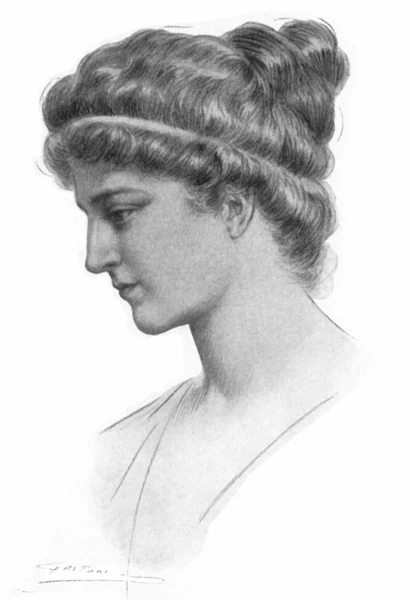 Retrospective illustration
Hypatie
Hypatia taught mathematics, astronomy and philosophy in late-antique Alexandria. Surviving evidence tells us more about her teaching and intellectual authority than about securely identifiable personal astronomical discoveries.
Explore their contribution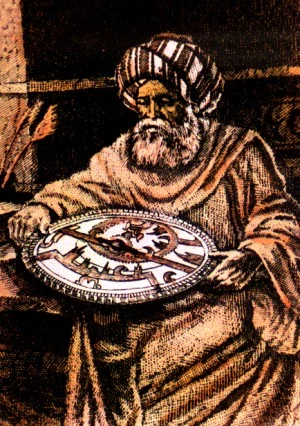 Retrospective illustration
Al-Battani
Al-Battani refined measurements of the Sun and methods of astronomical calculation. His observations show how accumulated evidence can correct and extend models inherited from antiquity.
Explore their contribution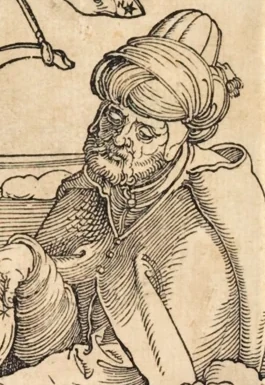 Retrospective illustration
Abd al-Rahman al-Sufi
Al-Sufi compared ancient descriptions of stars with his own observations and Arabic traditions. His Book of the Fixed Stars became a major work of medieval astronomy.
Explore their contribution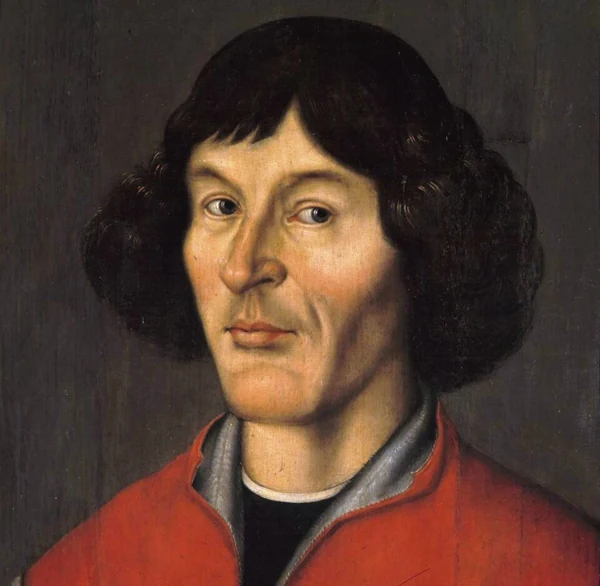 Historical portrait
Nicolas Copernic
Copernicus organised the planetary system around the Sun. This change of viewpoint began a profound transformation in European astronomy and the interpretation of planetary motion.
Explore their contribution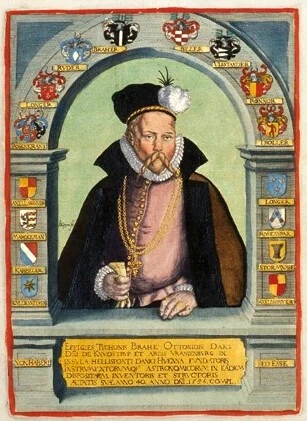 Historical portrait
Tycho Brahe
Tycho Brahe built instruments and produced observations of exceptional precision for his era. His planetary measurements supplied the evidence Kepler needed to develop his orbital laws.
Explore their contribution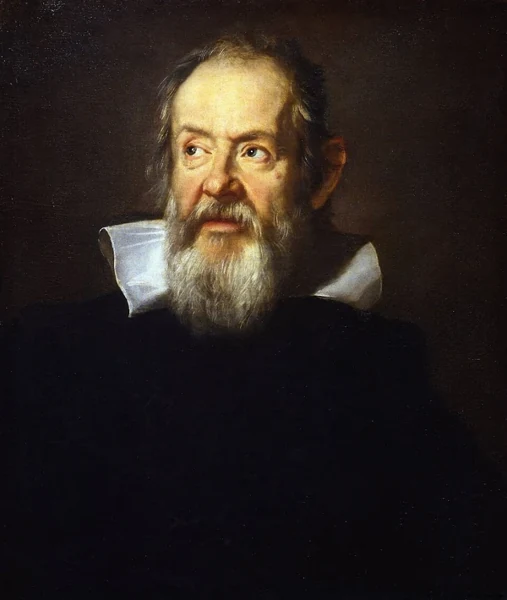 Historical portrait
Galilée
Galileo transformed the telescope into a discovery tool. Lunar mountains, Jupiter’s moons and Venus’s phases challenged traditional pictures of the heavens and encouraged new tests.
Explore their contribution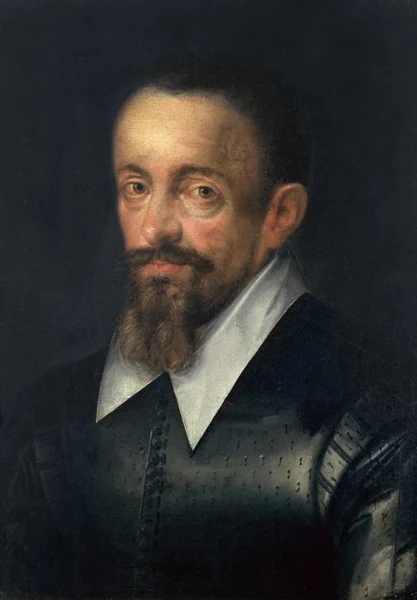 Historical portrait
Johannes Kepler
Kepler abandoned the perfect circle for elliptical orbits. His laws connect a planet’s path, its changing speed and the time it takes to complete a year.
Explore their contribution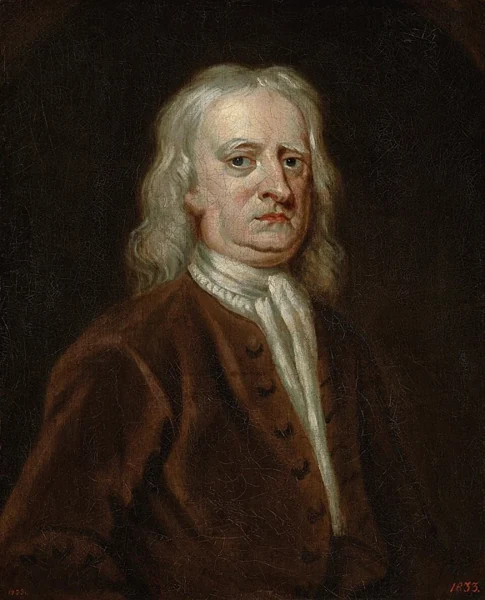 Historical portrait
Isaac Newton
Newton connected falling objects and planetary orbits through laws of motion and universal gravitation. Mechanics became a predictive language for astronomy, linking familiar experience to celestial motion.
Explore their contribution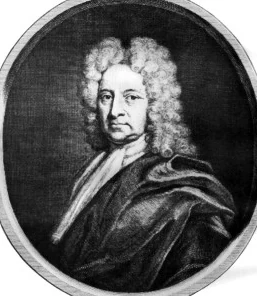 Historical portrait
Edmond Halley
Halley recognised repeated appearances of the same comet and predicted its return. Comets thereby became objects whose movements could be calculated rather than merely recorded as passing events.
Explore their contribution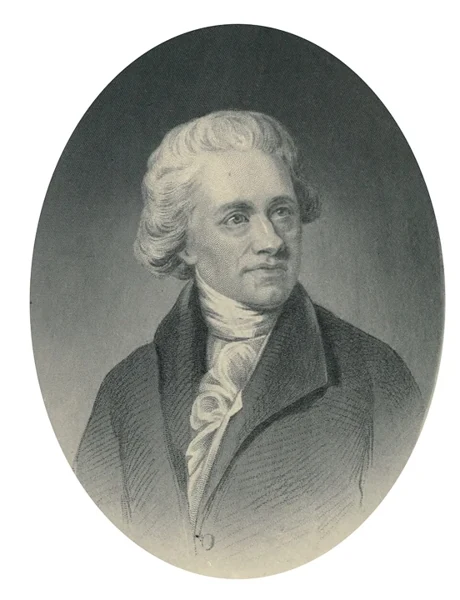 Historical portrait
William Herschel
Herschel discovered Uranus and infrared radiation. With Caroline Herschel, he developed systematic exploration of the deep sky using large telescopes built in their own workshop.
Explore their contribution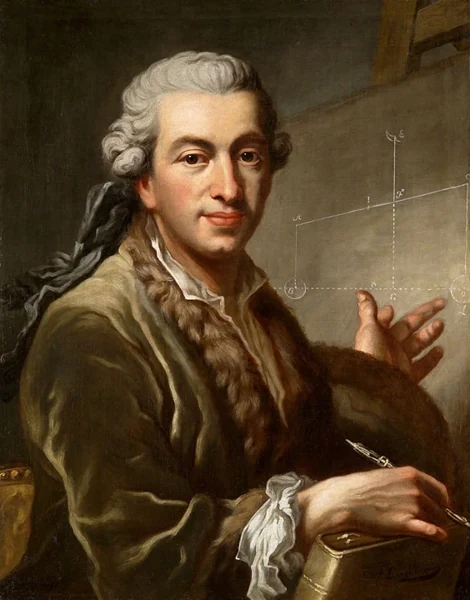 Historical portrait
Pierre-Simon Laplace
Pierre-Simon Laplace applied mathematical analysis to gravity and planetary motion. He sought to explain irregularities in the Solar System through interactions among its different bodies.
Explore their contribution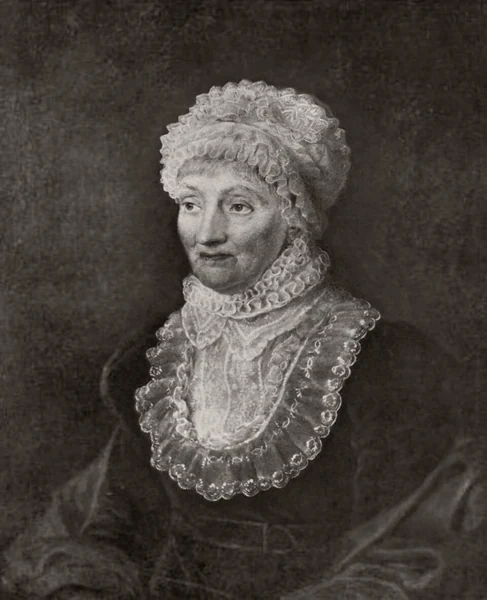 Historical portrait
Caroline Herschel
Caroline Herschel discovered comets and organised thousands of observations. Her work made the deep sky more accessible to astronomers continuing the great programmes of celestial surveying.
Explore their contribution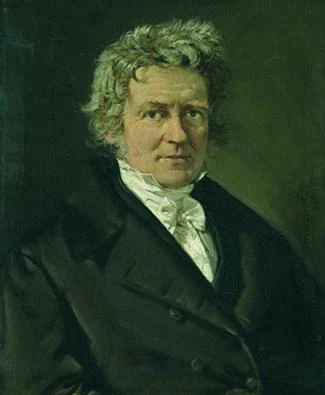 Historical portrait
Friedrich Wilhelm Bessel
In 1838 Bessel obtained a convincing parallax measurement for 61 Cygni. Stellar distance became a measurable geometrical quantity rather than something astronomers could only estimate indirectly.
Explore their contribution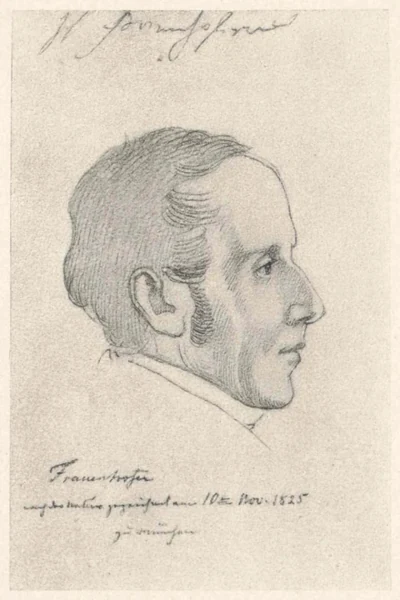 Historical portrait
Joseph von Fraunhofer
Fraunhofer improved optical glass and mapped dark lines in the solar spectrum. These reference marks helped open the way to the physical analysis of starlight.
Explore their contribution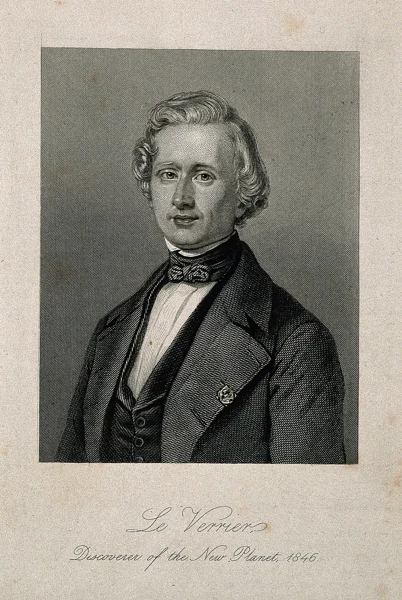 Historical portrait
Urbain Le Verrier
Le Verrier calculated an unknown planet’s position from discrepancies in Uranus’s orbit. In 1846 Neptune was observed close to his predicted position, a spectacular success for celestial mechanics.
Explore their contribution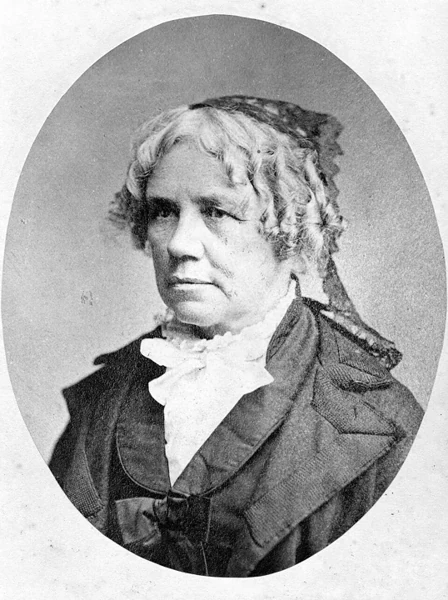 Photograph
Maria Mitchell
By discovering a comet and training students to observe the sky, Maria Mitchell helped open astronomical research to women in the United States.
Explore their contribution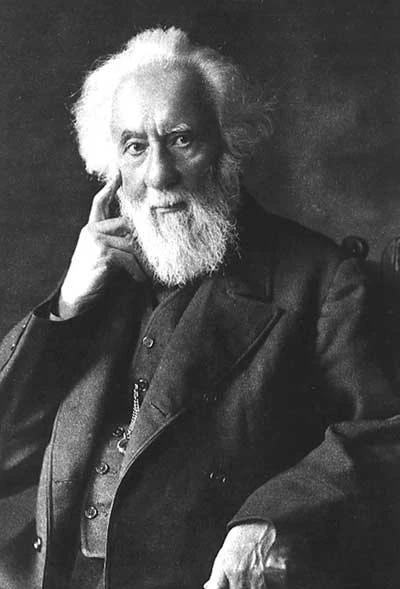 Photograph
William Huggins
William Huggins made starlight a tool for physical analysis: spectra reveal chemical clues and distinguish glowing gas clouds from objects made of stars.
Explore their contribution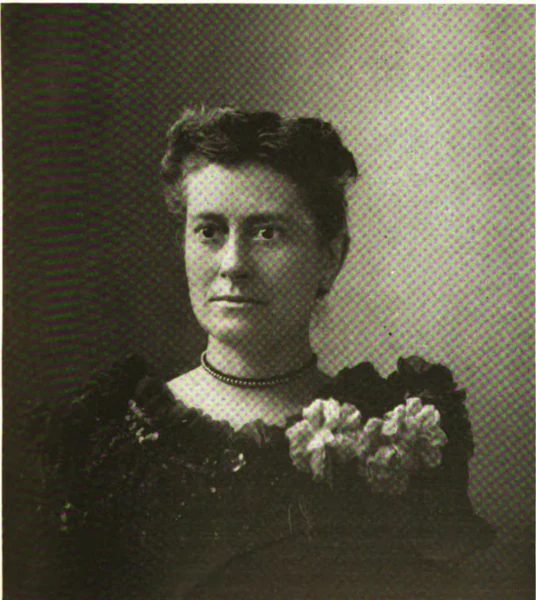 Photograph
Williamina Fleming
Williamina Fleming turned Harvard's photographic plates into astronomical data. Her systematic analysis revealed variable stars, novae and unusual structures in the distant sky.
Explore their contribution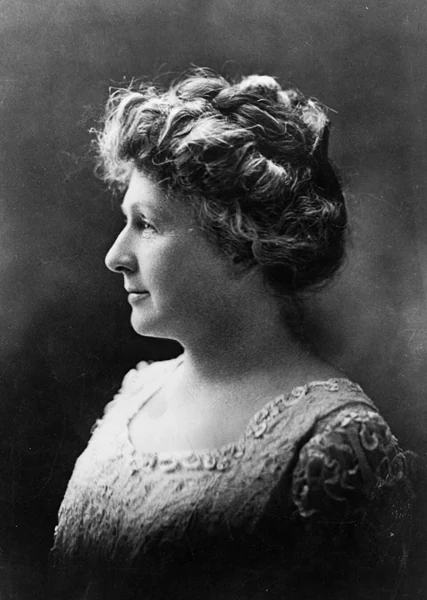 Photograph
Annie Jump Cannon
Annie Jump Cannon developed the O, B, A, F, G, K, M spectral sequence, a system still used to organise stars and understand their physical properties.
Explore their contribution Photograph
Henrietta Swan Leavitt
Henrietta Leavitt found that a Cepheid's pulsation period indicates its luminosity. The relationship provided a powerful new way to measure distances across the Universe.
Explore their contribution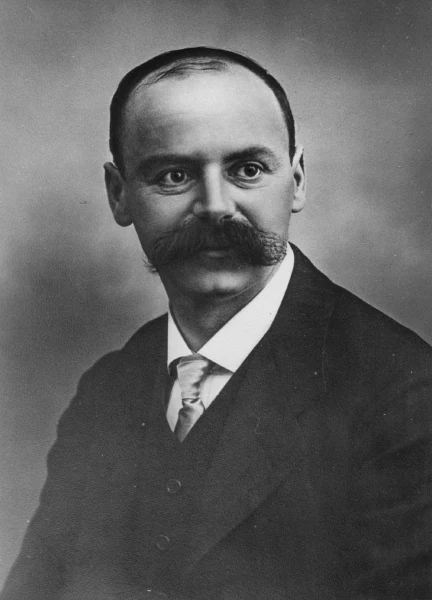 Photograph
Karl Schwarzschild
Karl Schwarzschild found an exact solution to Einstein's equations. It describes spacetime around a spherical mass and became a foundation for the theory of black holes.
Explore their contribution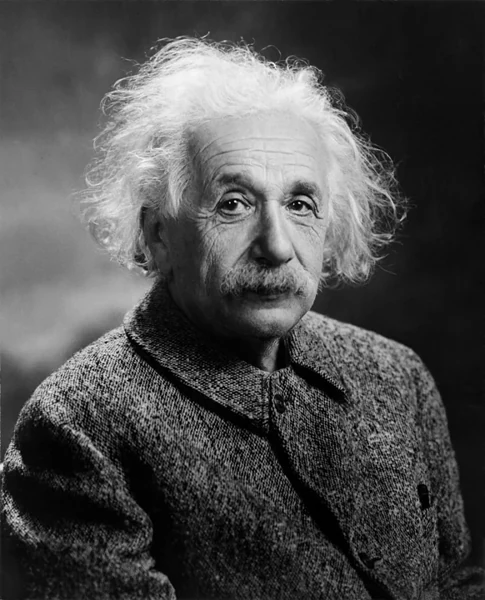 Photograph
Albert Einstein
Einstein replaced gravity understood as a distant pull with a geometry of spacetime. This new description transformed the study of stars, galaxies and the Universe itself.
Explore their contribution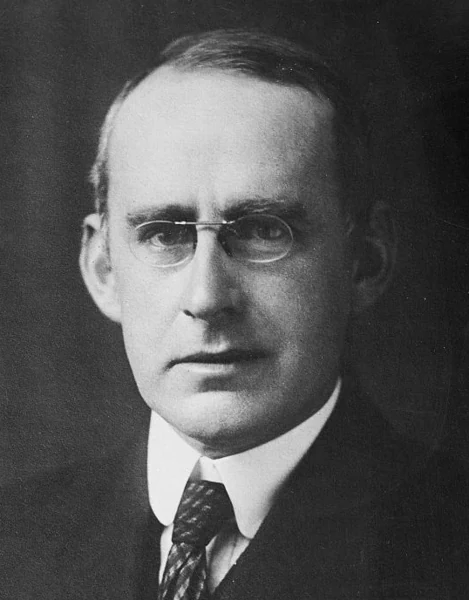 Photograph
Arthur Eddington
Arthur Eddington connected starlight with the internal structure of stars and helped organise an early, highly public test of general relativity against astronomical observations.
Explore their contribution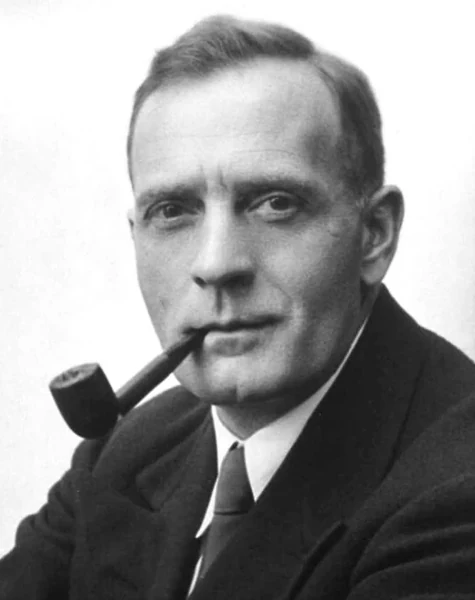 Photograph
Edwin Hubble
Edwin Hubble supplied evidence that some nebulae are distant galaxies. His measurements of distances and recession speeds then helped establish the observational case for an expanding Universe.
Explore their contribution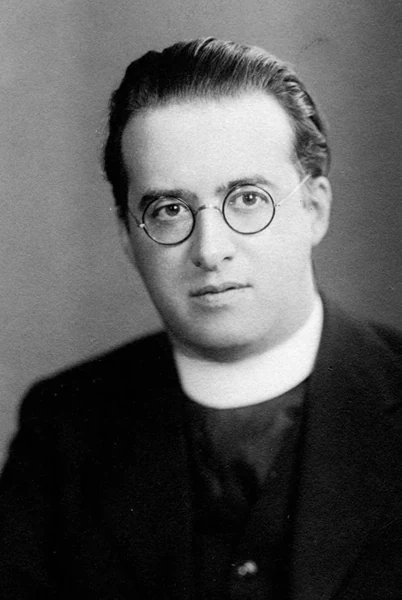 Photograph
Georges Lemaître
Georges Lemaître connected general relativity with observations of galaxies and proposed an expanding Universe. His primeval-atom hypothesis opened a new discussion about its early history.
Explore their contribution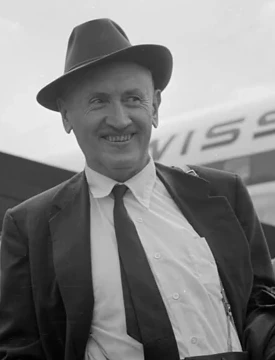 Photograph
Fritz Zwicky
Fritz Zwicky used the motions of galaxies to investigate mass that could not be seen. He also helped connect supernova explosions with the formation of neutron stars.
Explore their contribution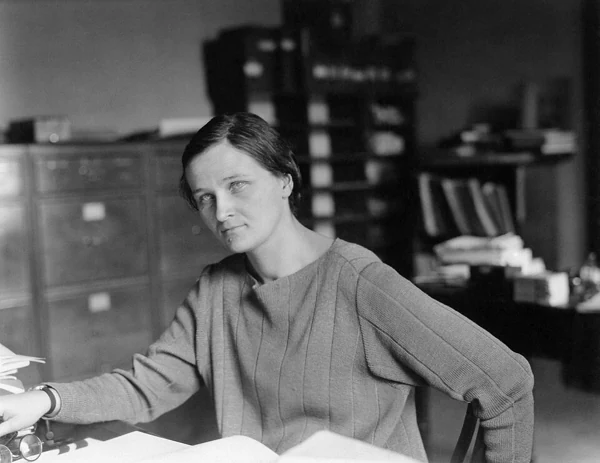 Photograph
Cecilia Payne-Gaposchkin
Cecilia Payne-Gaposchkin showed that stars consist mainly of hydrogen and helium. She also explained why differences in their spectra largely reflect changes in temperature.
Explore their contribution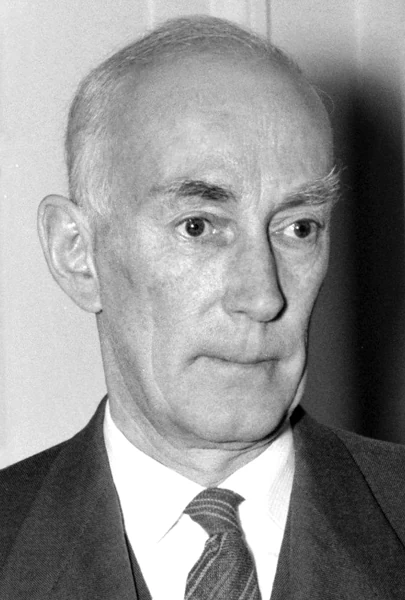 Photograph
Jan Oort
Jan Oort studied the rotation of the Milky Way and proposed a vast reservoir of comets surrounding the Solar System, now known as the Oort Cloud.
Explore their contribution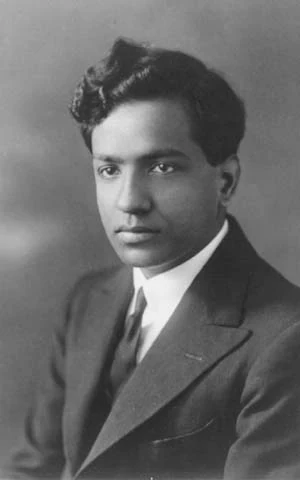 Photograph
Subrahmanyan Chandrasekhar
Chandrasekhar established that a white dwarf cannot support unlimited mass. His result became a crucial guide to understanding what can happen to the remnants of stars.
Explore their contribution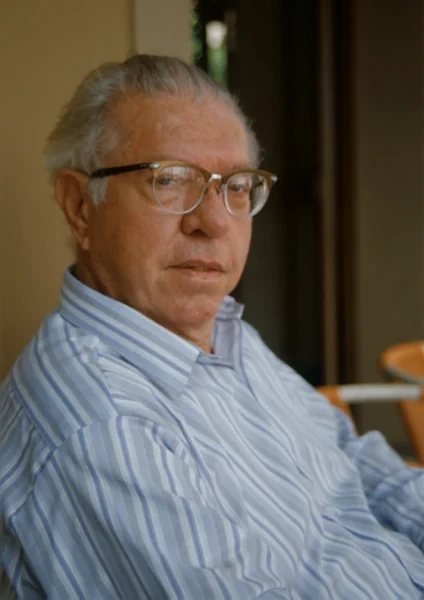 Photograph
Fred Hoyle
Fred Hoyle explained how stars manufacture chemical elements. He also defended steady-state cosmology, a model gradually displaced by evidence for a hot, dense early Universe.
Explore their contribution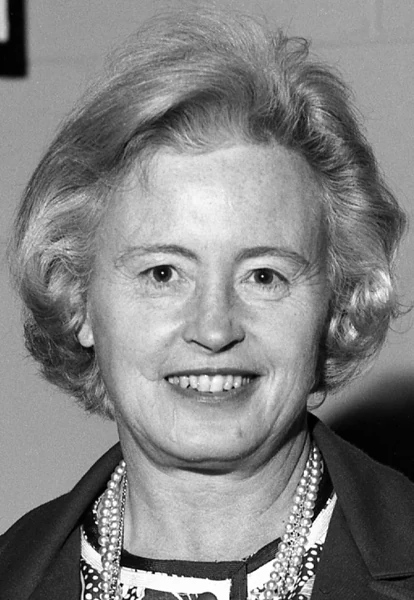 Photograph
Margaret Burbidge
Margaret Burbidge connected chemical abundances measured in stars with the reactions that produce elements. She helped explain the origin of a large share of ordinary cosmic matter.
Explore their contribution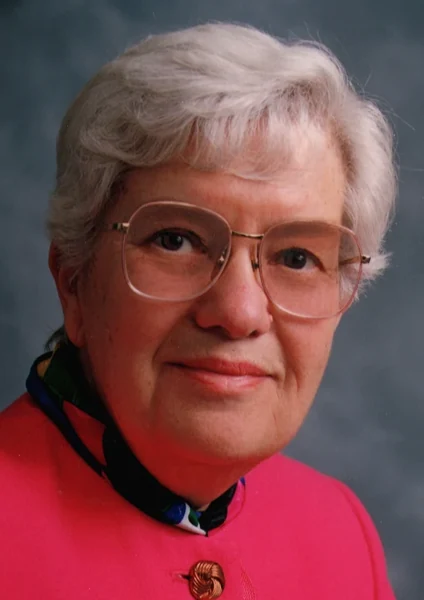 Photograph
Vera Rubin
Vera Rubin showed that the outer regions of many galaxies rotate unexpectedly quickly. These observations strengthened the case for large amounts of unseen matter surrounding galaxies.
Explore their contribution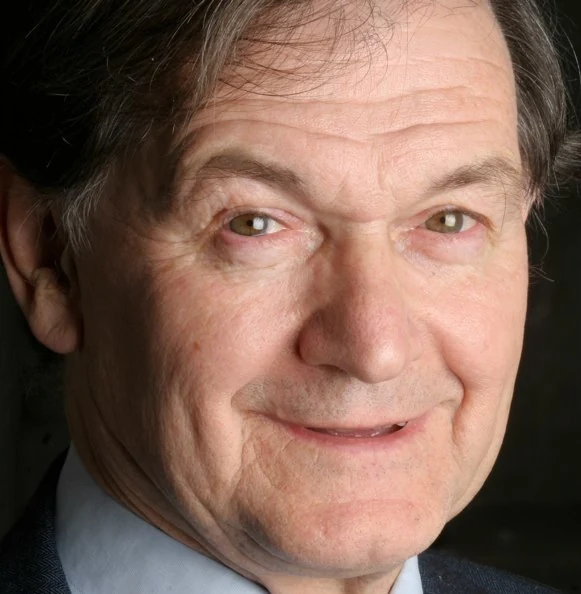 Photograph
Roger Penrose
Roger Penrose showed that singularities arise robustly in general relativity under certain conditions, rather than appearing only in perfectly symmetrical models of gravitational collapse.
Explore their contribution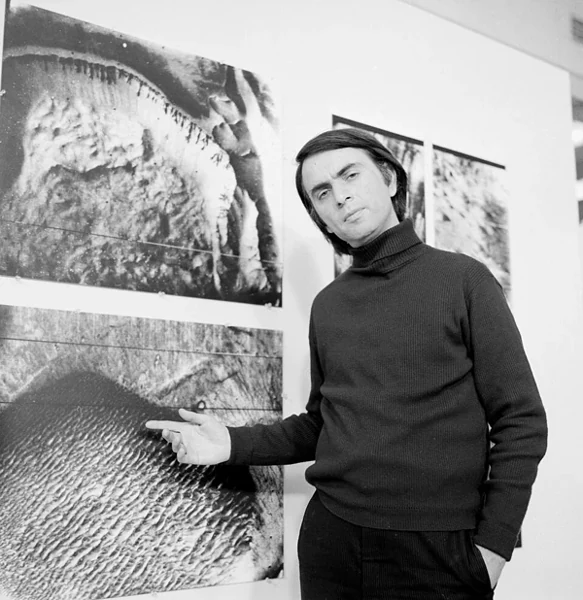 Photograph
Carl Sagan
Carl Sagan studied planetary atmospheres and the possibility of life elsewhere. Through Cosmos, he connected major scientific questions with an accessible account of humanity's place in the Universe.
Explore their contribution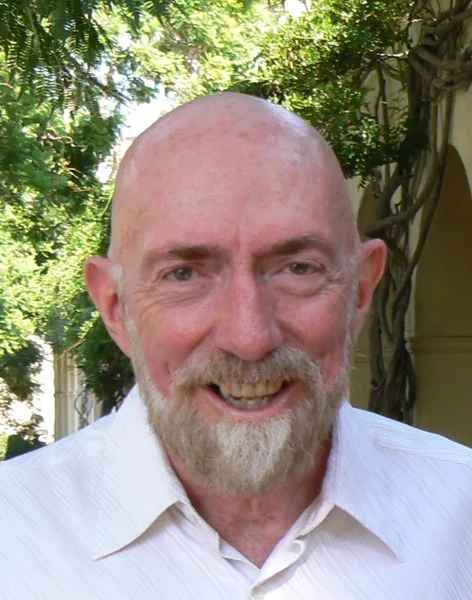 Photograph
Kip Thorne
Kip Thorne helped predict signals from compact objects and establish the LIGO project. Gravitational waves consequently became a new way to investigate the Universe alongside light.
Explore their contribution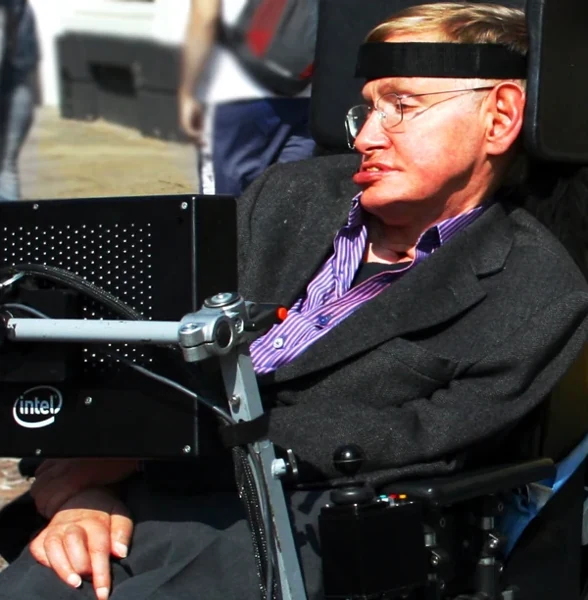 Photograph
Stephen Hawking
Stephen Hawking connected gravity, quantum physics and thermodynamics. He predicted that black holes can emit radiation, transforming the questions scientists ask about these extreme objects.
Explore their contribution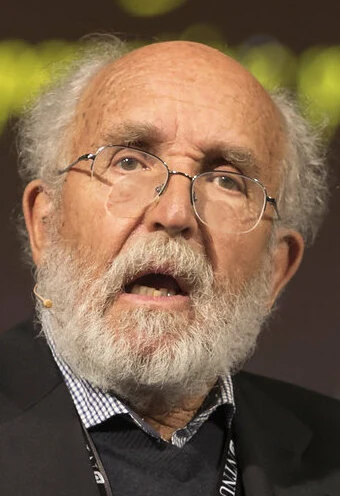 Photograph
Michel Mayor
With Didier Queloz, Michel Mayor discovered 51 Pegasi b, the first exoplanet identified around a Sun-like star. This world challenged ideas about how planetary systems form.
Explore their contribution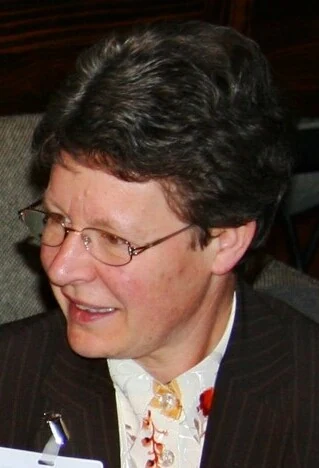 Photograph
Jocelyn Bell Burnell
Jocelyn Bell Burnell noticed an exceptionally regular signal in radio recordings. Her observation led to the discovery of pulsars, rotating neutron stars that send beams across space.
Explore their contribution Photograph
Andrea Ghez
Andrea Ghez tracks the orbits of stars near the Galactic Centre. Their movements reveal an enormous mass concentrated in a very small region associated with Sagittarius A*.
Explore their contribution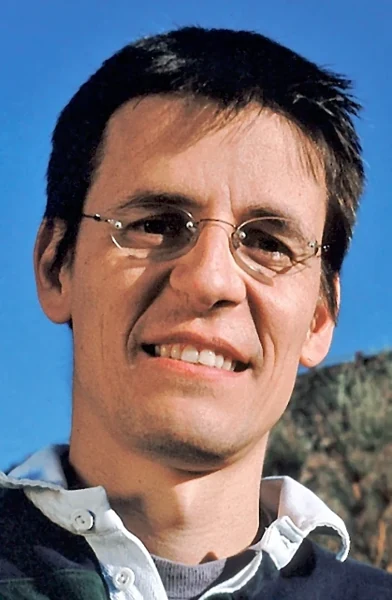 Photograph
Didier Queloz
Didier Queloz helped make the precise measurements that revealed 51 Pegasi b with Michel Mayor. He then contributed to methods for discovering and characterising many other planets.
Explore their contributionA sourced panorama of influential figures. Historical portraits and retrospective illustrations are distinguished from photographs.