
The portal / Rockets and astronauts
Space exploration · Vehicles and crewsLeaving Earth.
Leaving Earth.
Rockets and their passengers.
From early launchers to lunar journeys: explore the major rocket families, their roles, missions and the people they carried.
38launcher families
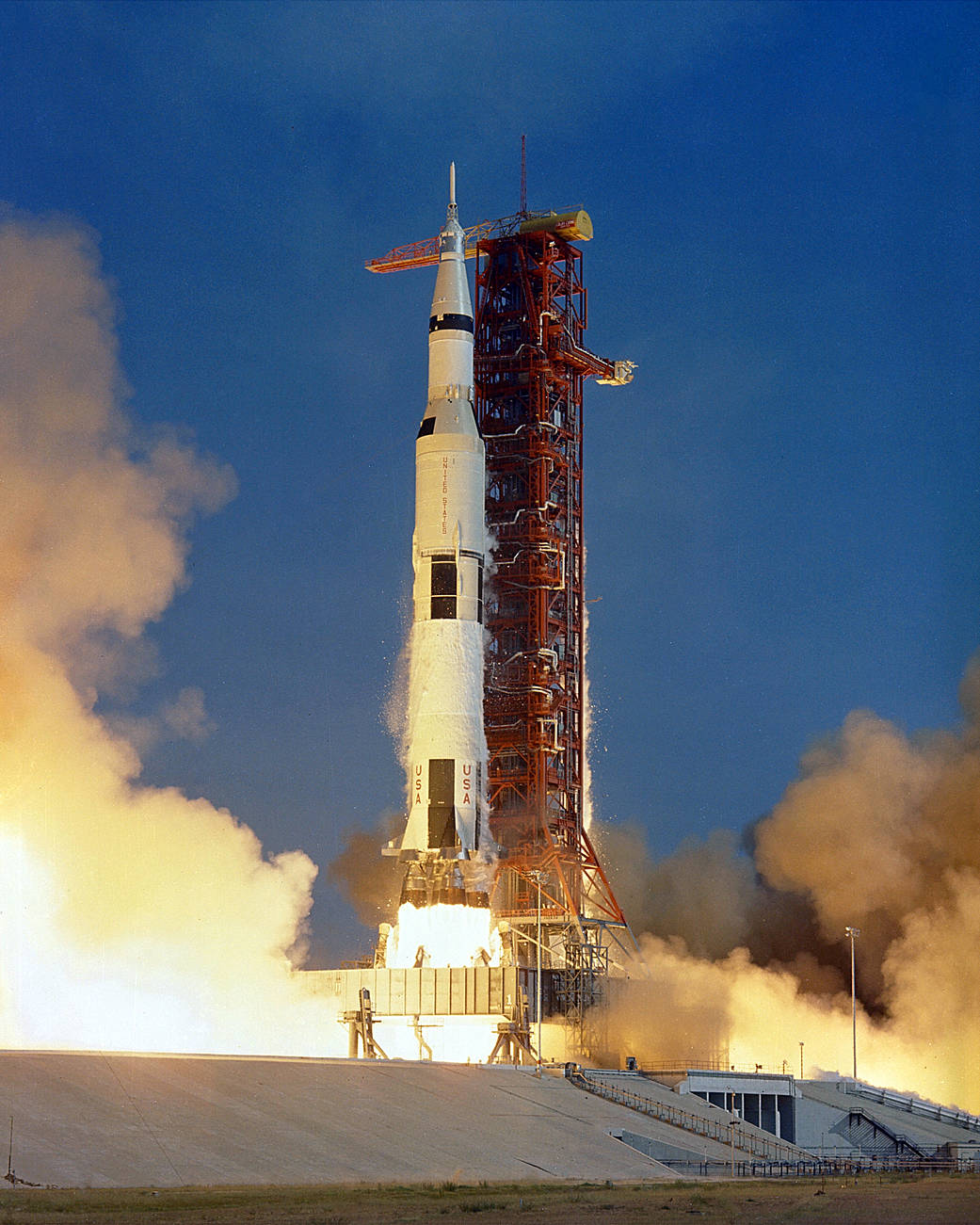
Explore 38 major launcher families, from early ballistic tests to lunar missions and commercial flight. Each profile distinguishes the rocket, the spacecraft it carries and selected landmark missions. This historical selection does not list every variant or flight. Named crews belong to the missions shown; satellite launchers do not necessarily carry astronauts.
No results. Try another word or reset the filters.
| Launcher / family | Country or programme | First flight / test | Human spaceflight |
|---|---|---|---|
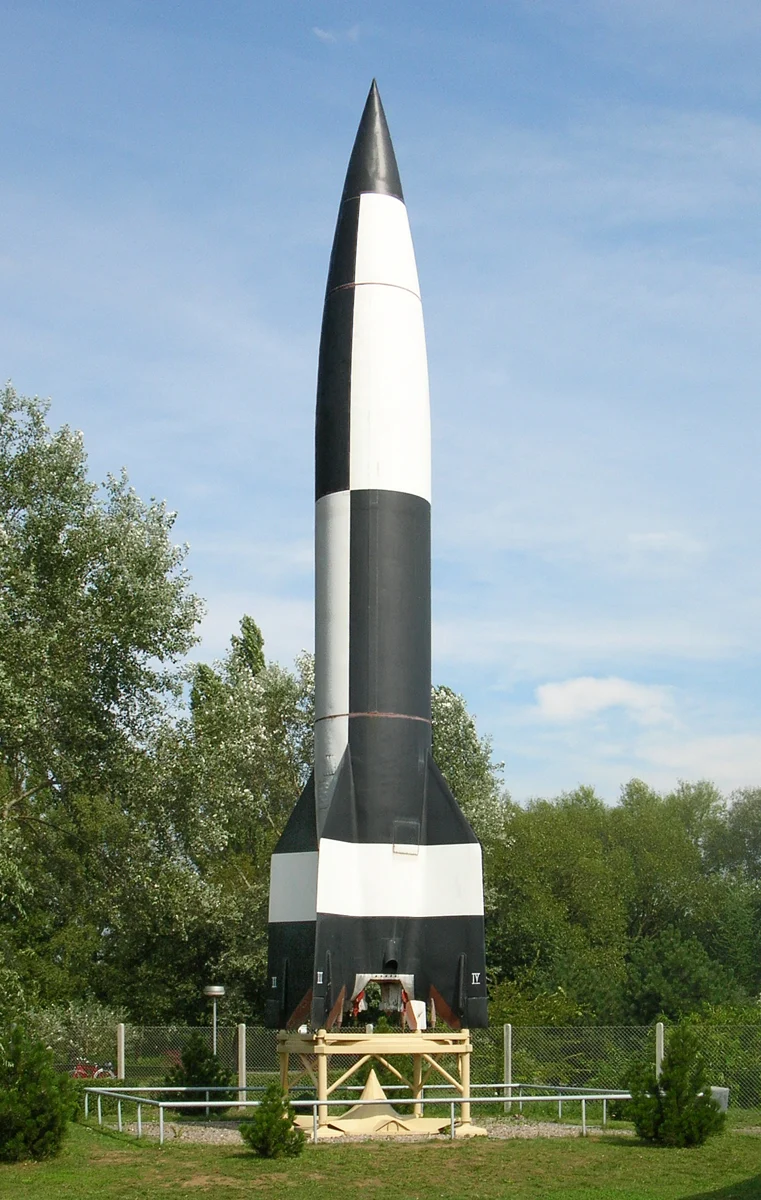 V-2 / A4 ↗A technical origin with a tragic legacy | Germany | 1942 | No crewed flight |
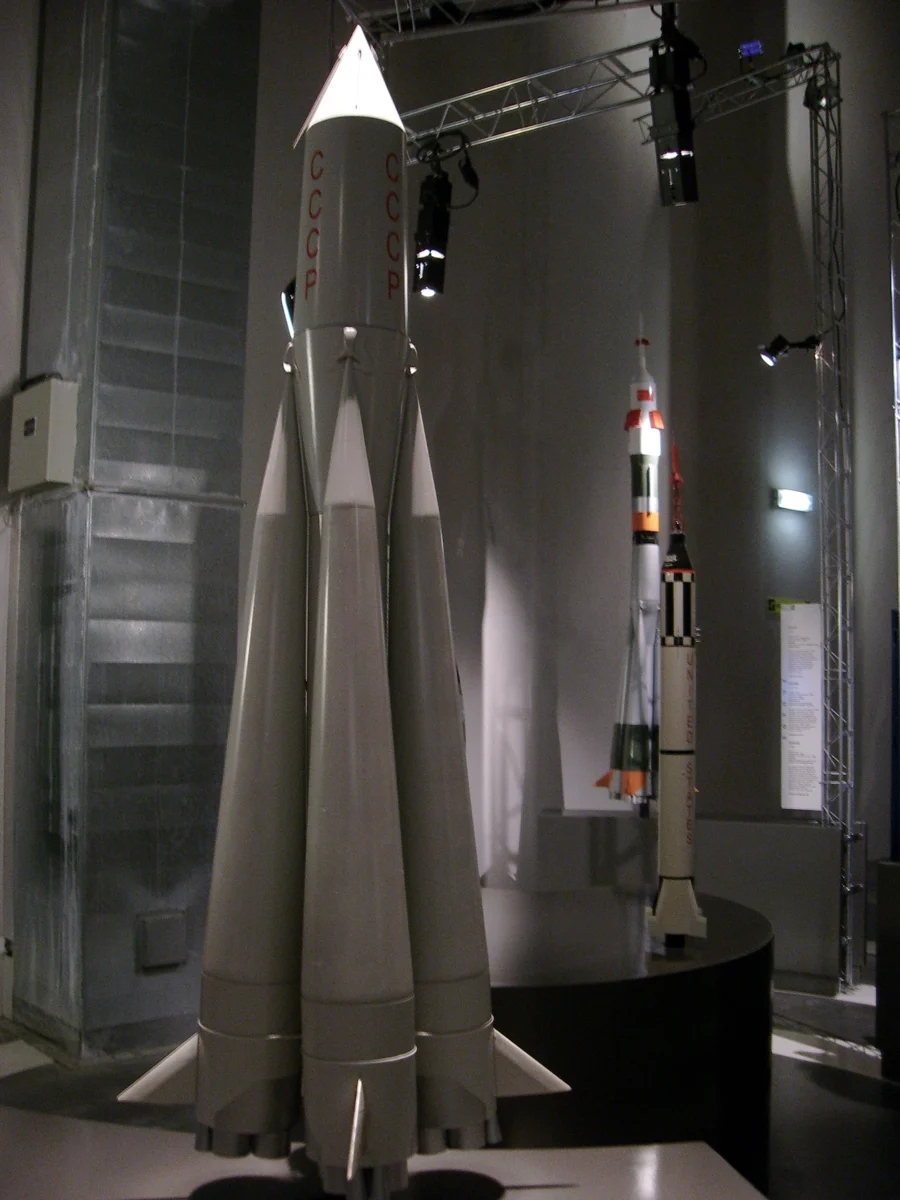 R-7 / Spoutnik ↗The family that opened the orbital age | USSR | 1957 | No crewed flight |
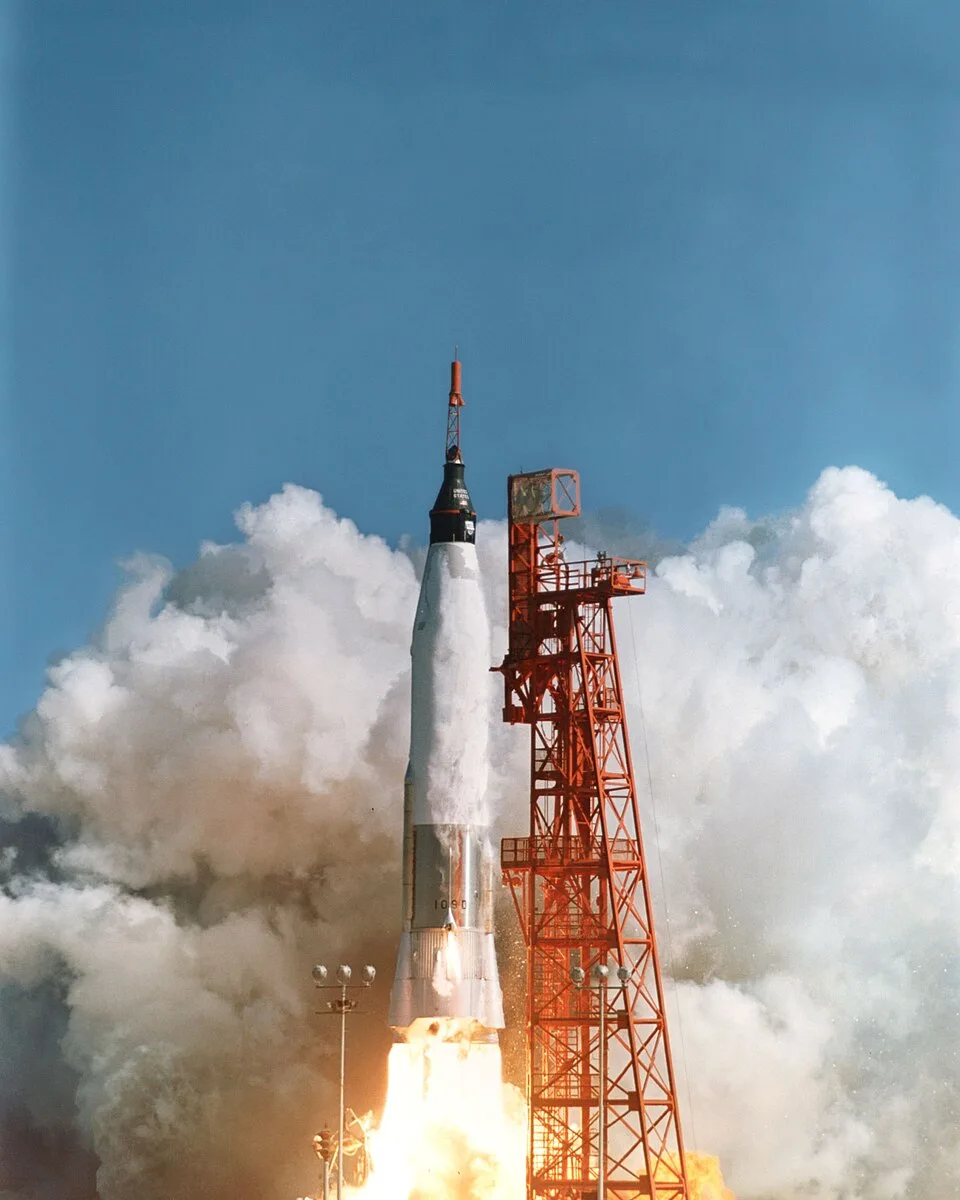 Atlas · premières générations ↗From missile to America’s first orbital flights | United States | 1957 | Has carried humans |
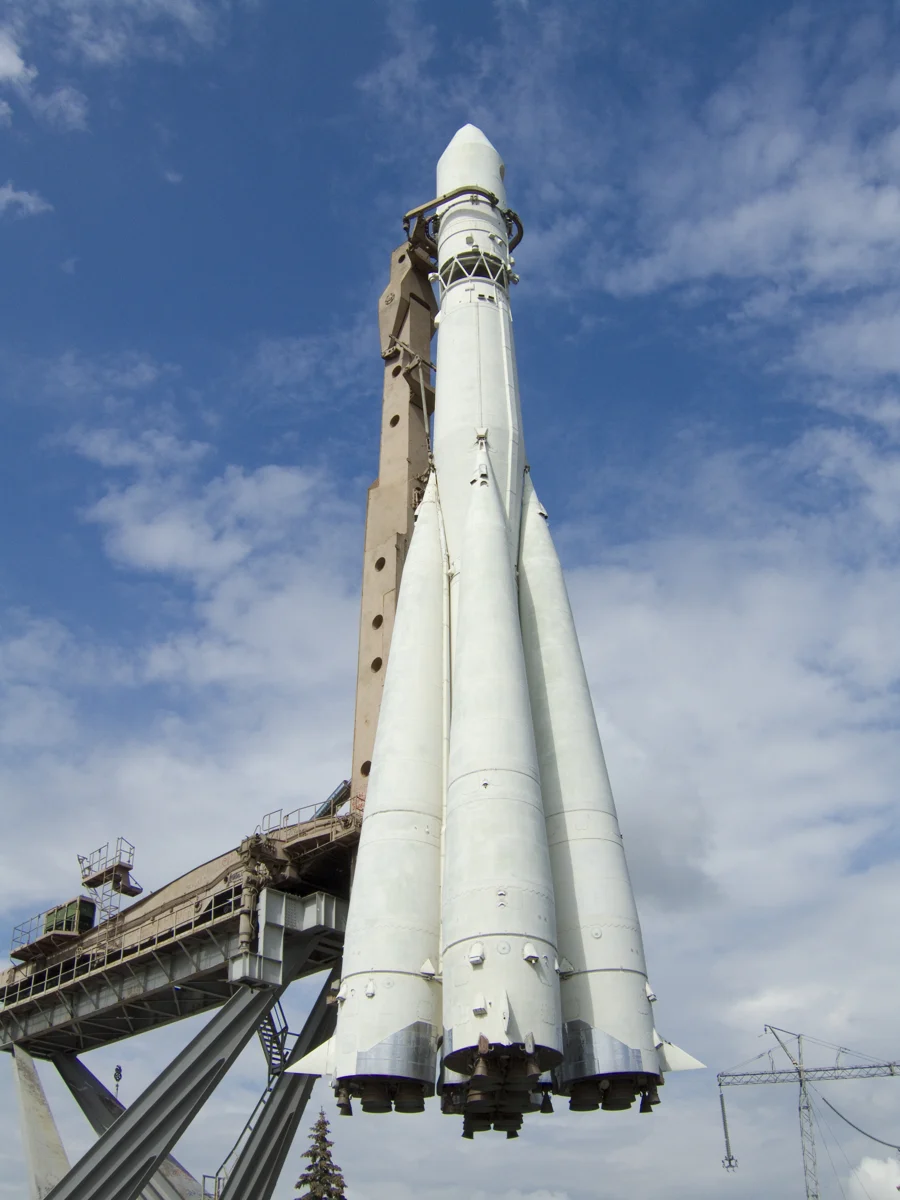 Vostok ↗The launcher of the first humans in orbit | USSR | 1958 | Has carried humans |
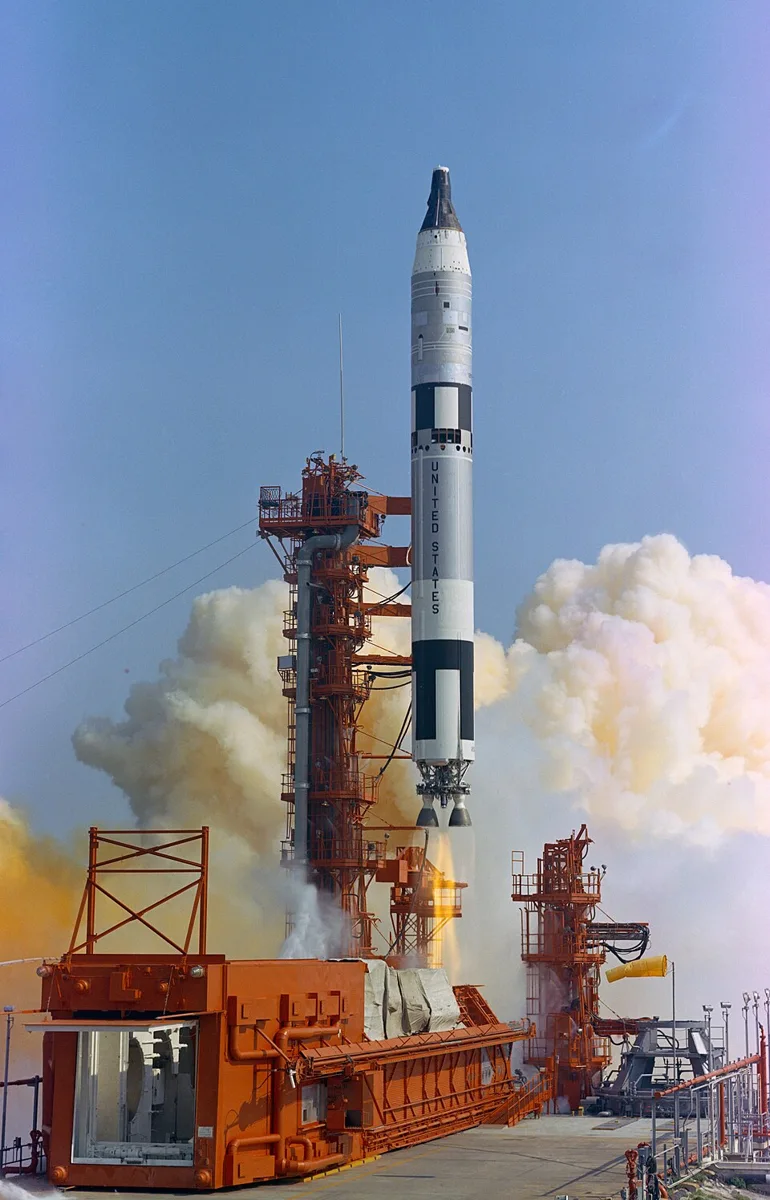 Titan ↗From Gemini to major planetary probes | United States | 1959 | Has carried humans |
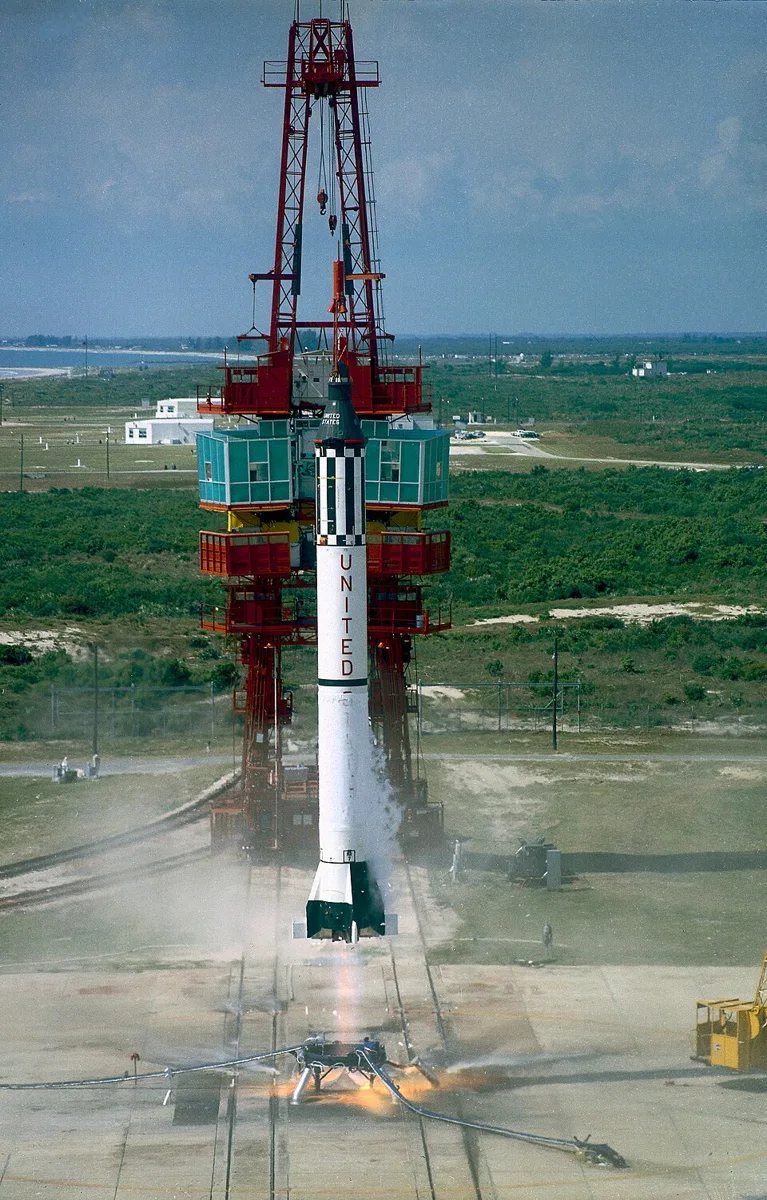 Mercury-Redstone ↗America’s first human leaps into space | United States | 1960 | Has carried humans |
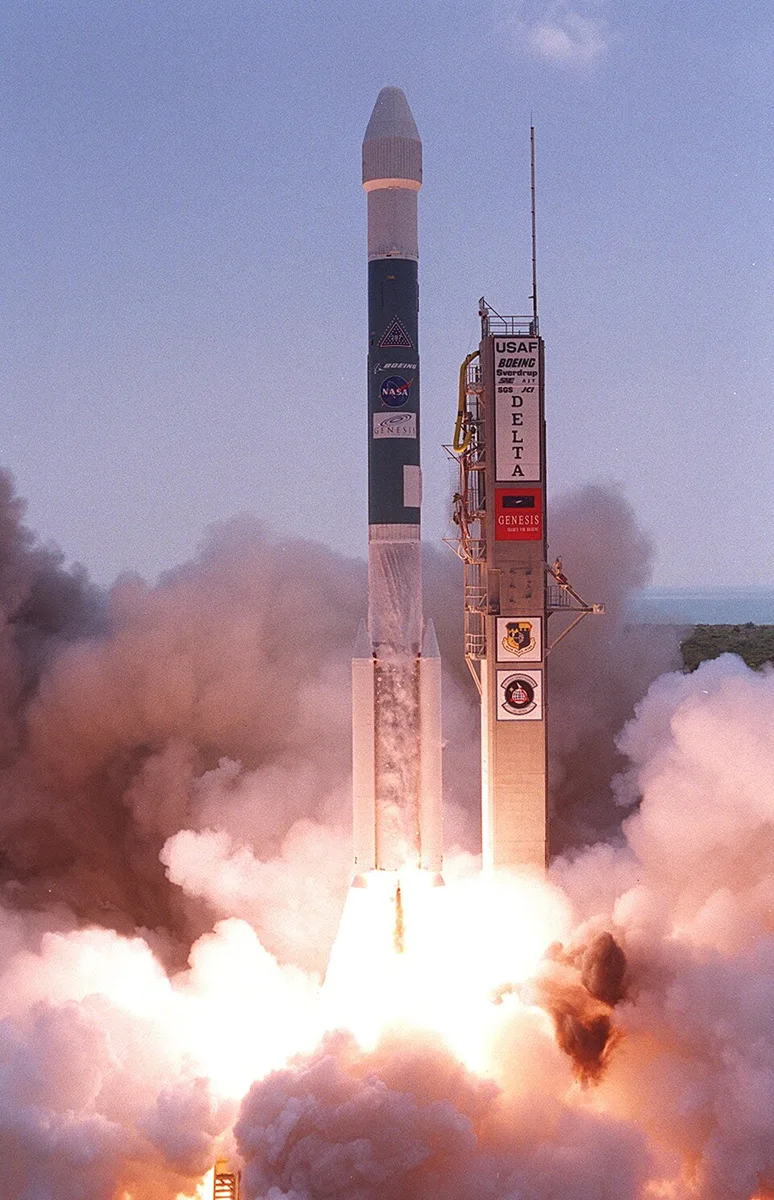 Delta ↗One name spanning several generations of launch vehicles. | United States | 1960 | No crewed flight |
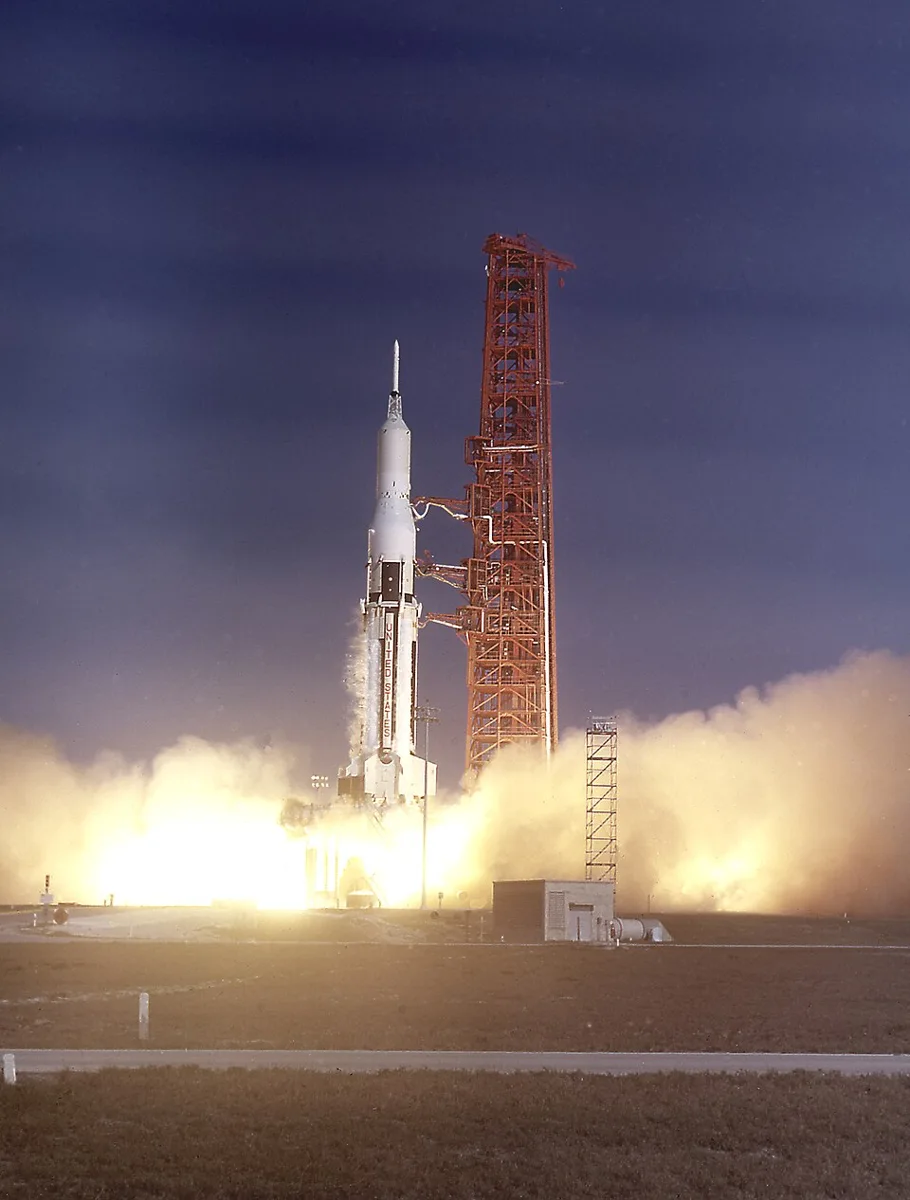 Saturn I ↗Learning to build a large rocket | United States | 1961 | No crewed flight |
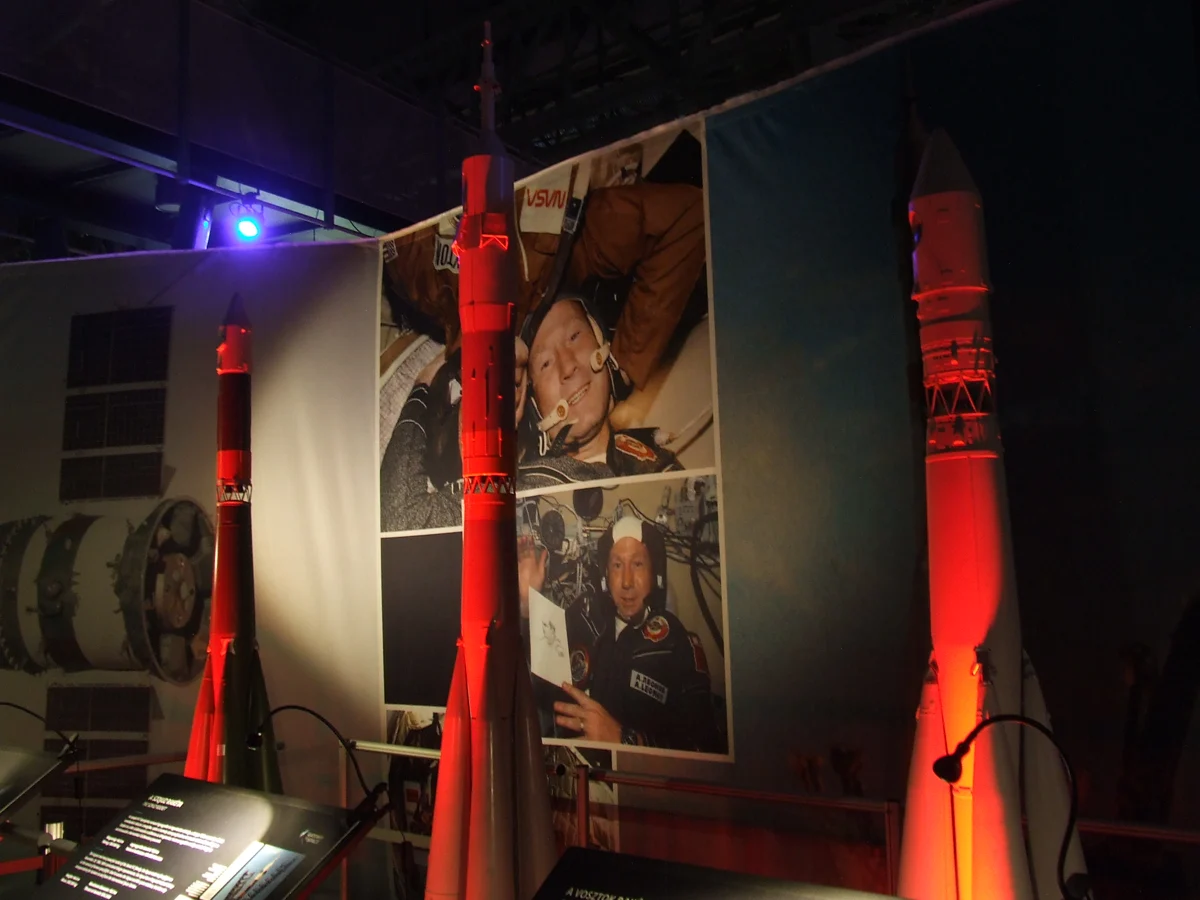 Voskhod ↗Multiple crewmembers and the first spacewalk | USSR | 1963 | Has carried humans |
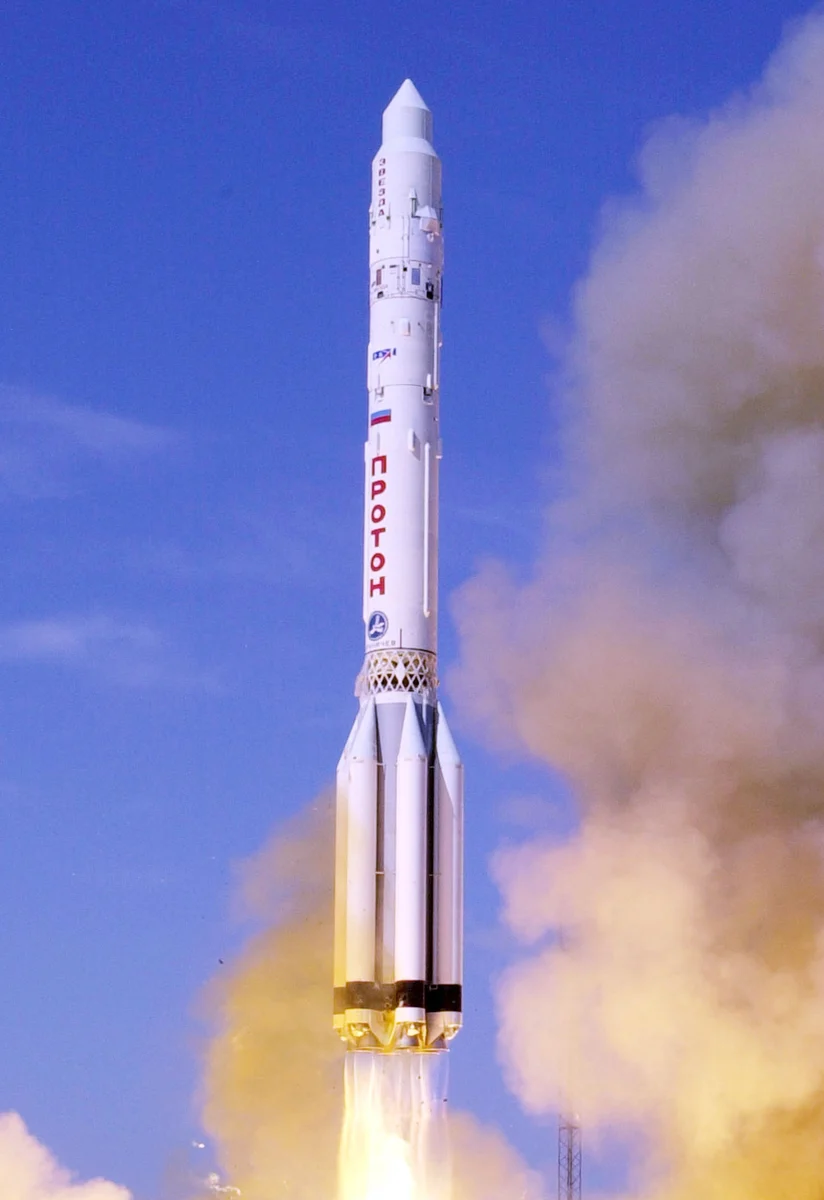 Proton ↗The heavy transporter of Soviet stations and probes. | USSR / Russia | 1965 | No crewed flight |
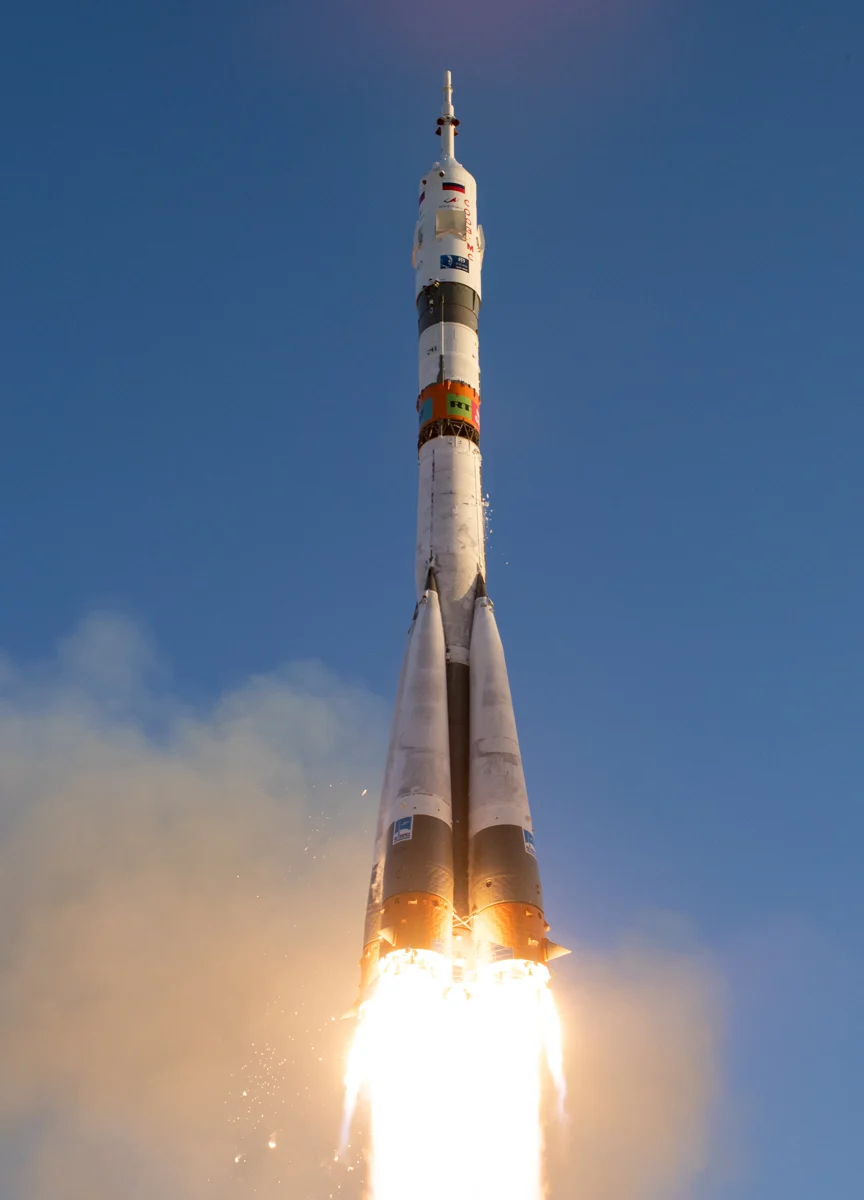 Soyouz ↗A long history of orbital rendezvous | USSR / Russia | 1966 | Has carried humans |
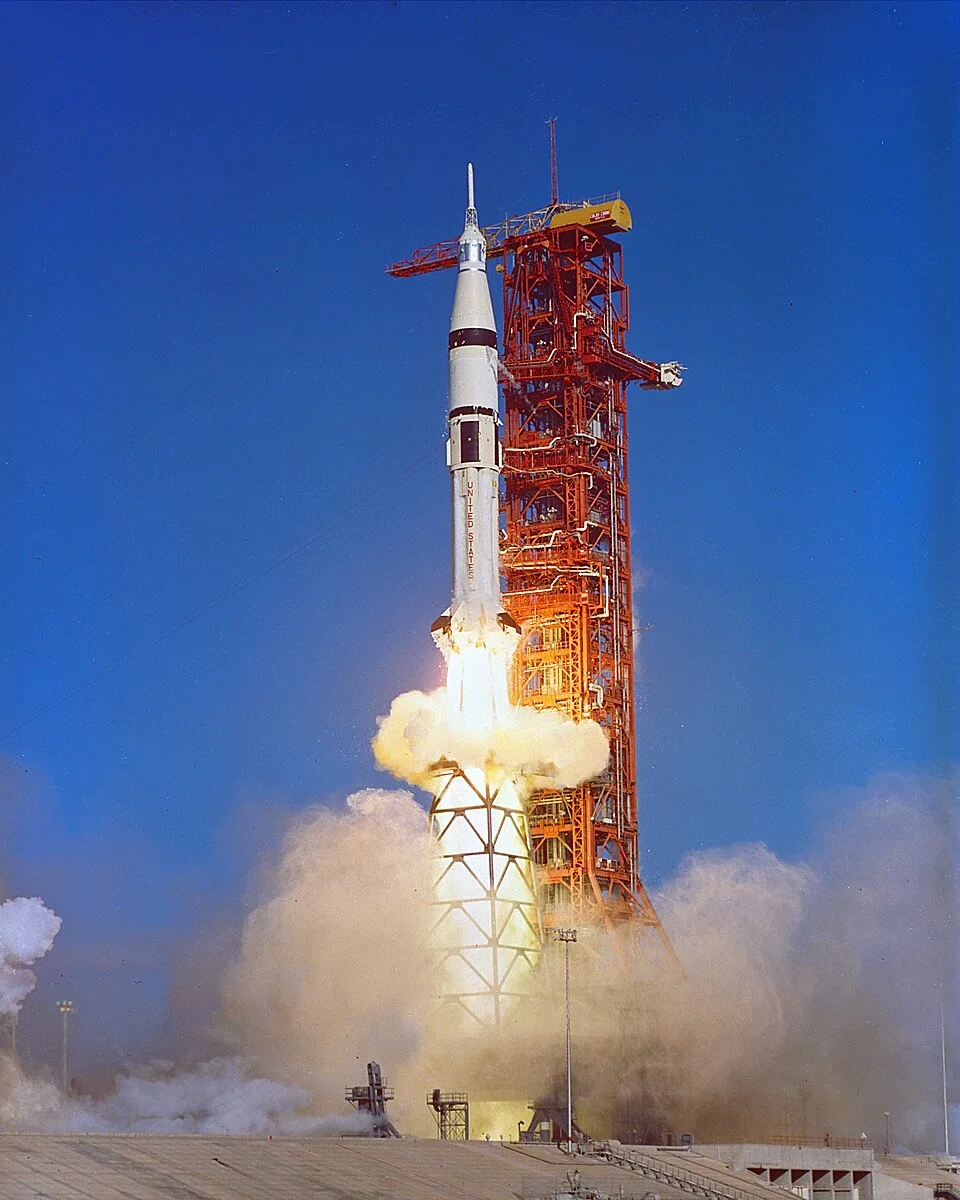 Saturn IB ↗Apollo’s Earth-orbit launcher | United States | 1966 | Has carried humans |
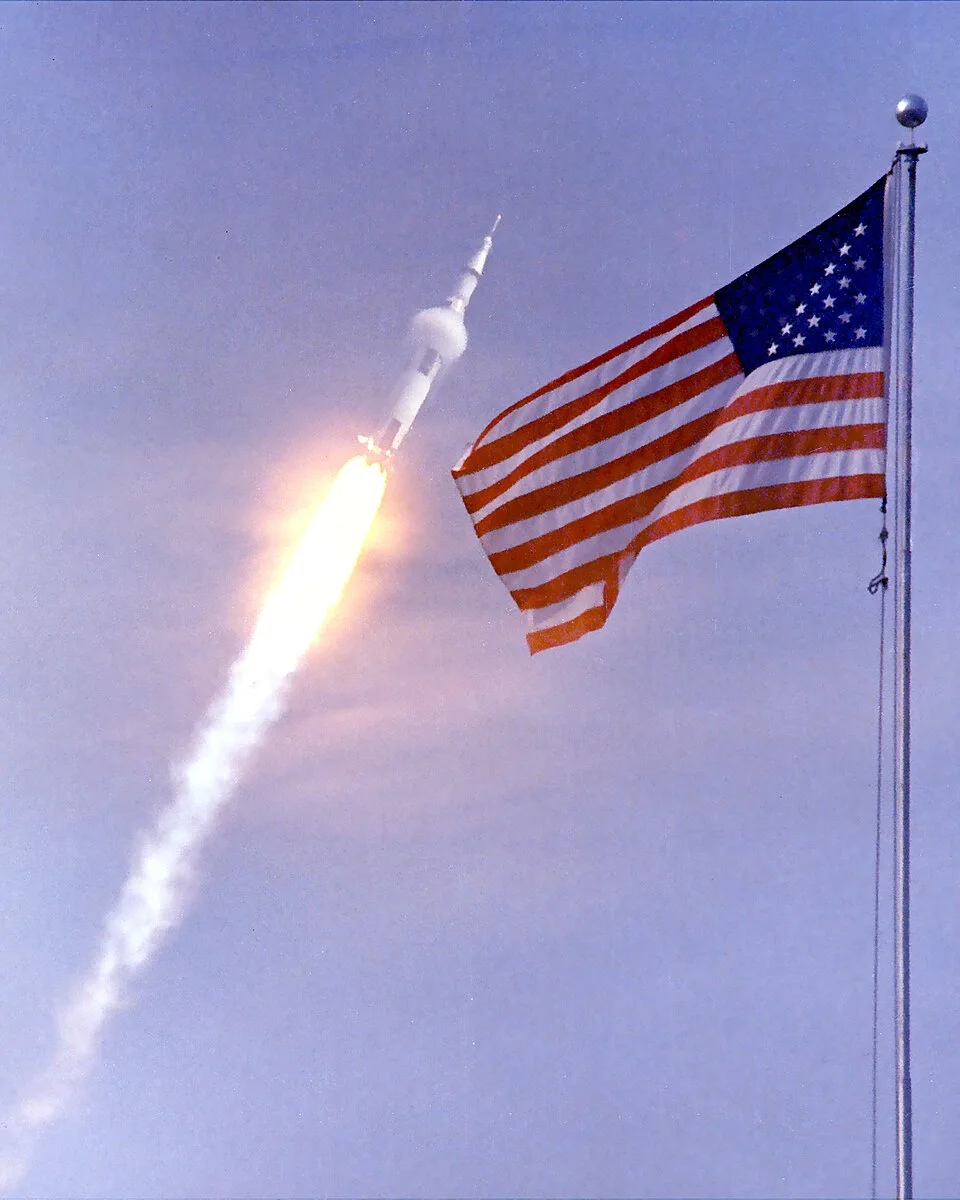 Saturn V ↗The rocket behind humanity's first lunar footsteps. | United States | 1967 | Has carried humans |
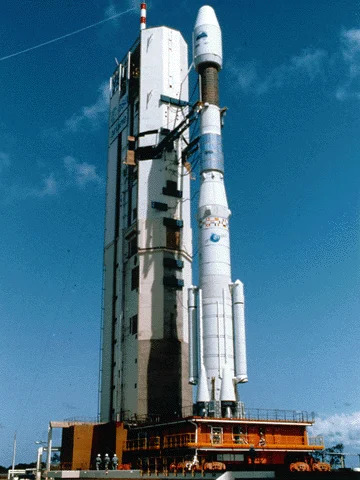 Ariane 1–4 ↗Europe builds independent access to orbit. | Europe | 1979 | No crewed flight |
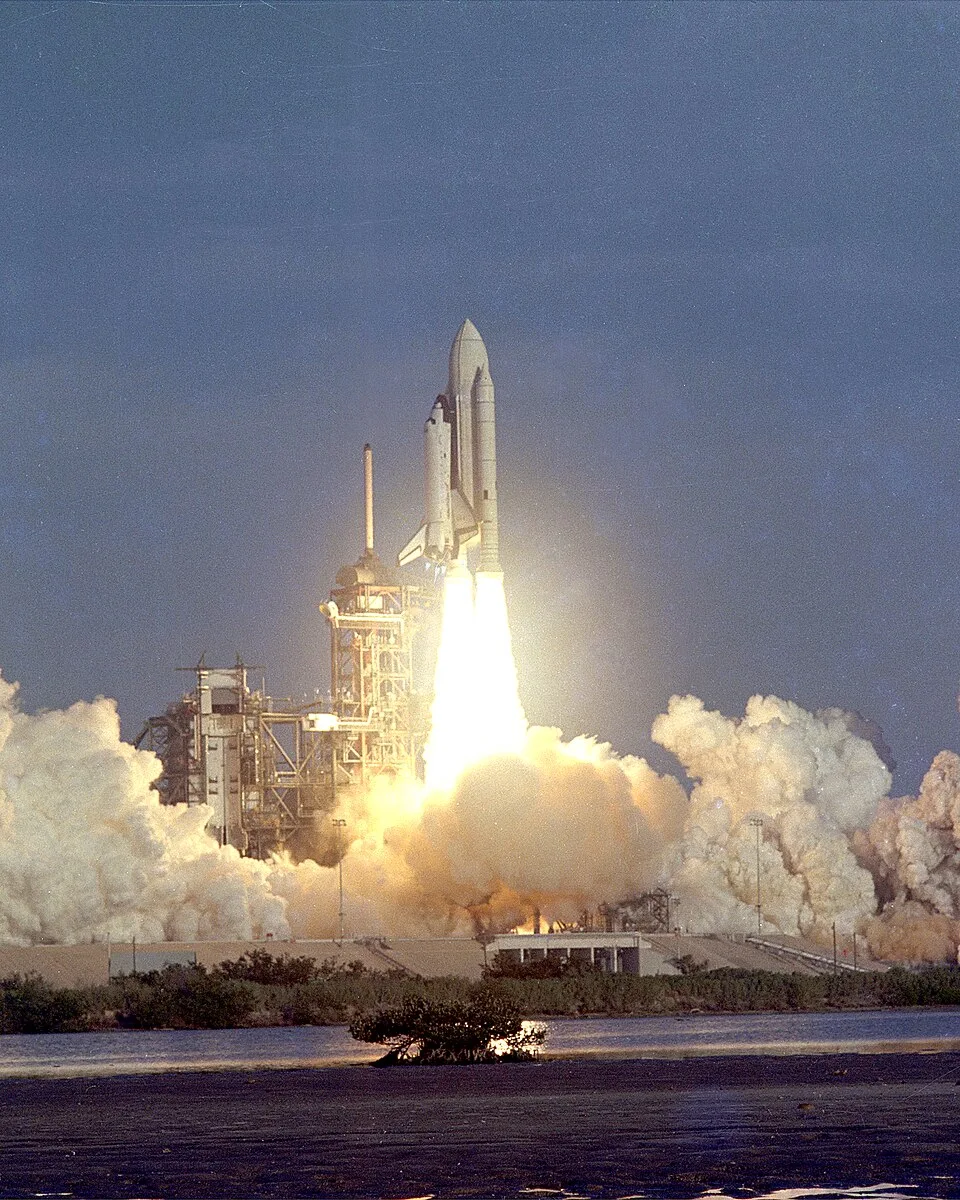 Space Shuttle ↗A launch system, laboratory and orbital glider. | United States | 1981 | Has carried humans |
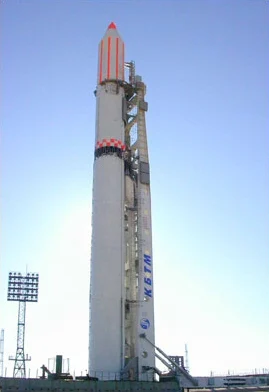 Zenit ↗A family connecting Baikonur with an equatorial platform. | USSR / Ukraine, international cooperation | 1985 | No crewed flight |
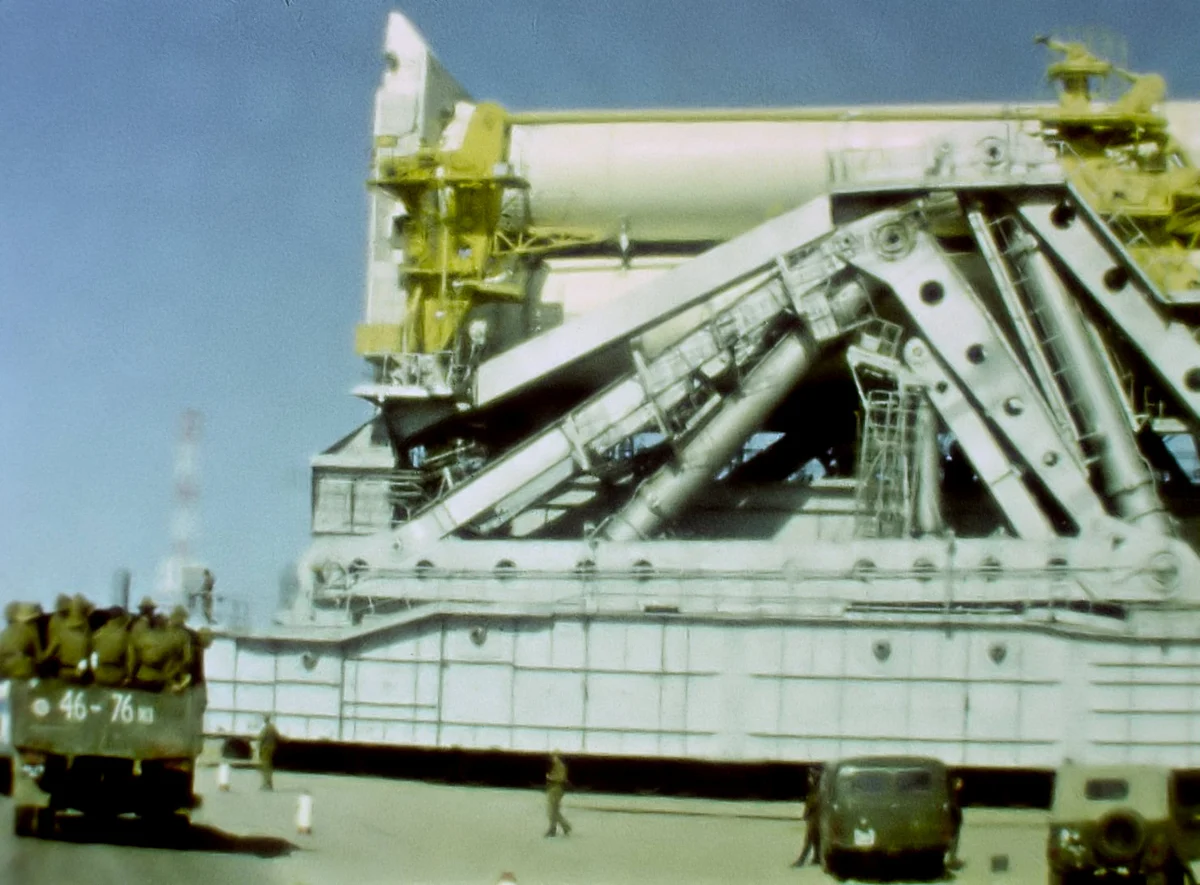 Energia ↗A giant launcher separate from the shuttle it carries. | USSR | 1987 | No crewed flight |
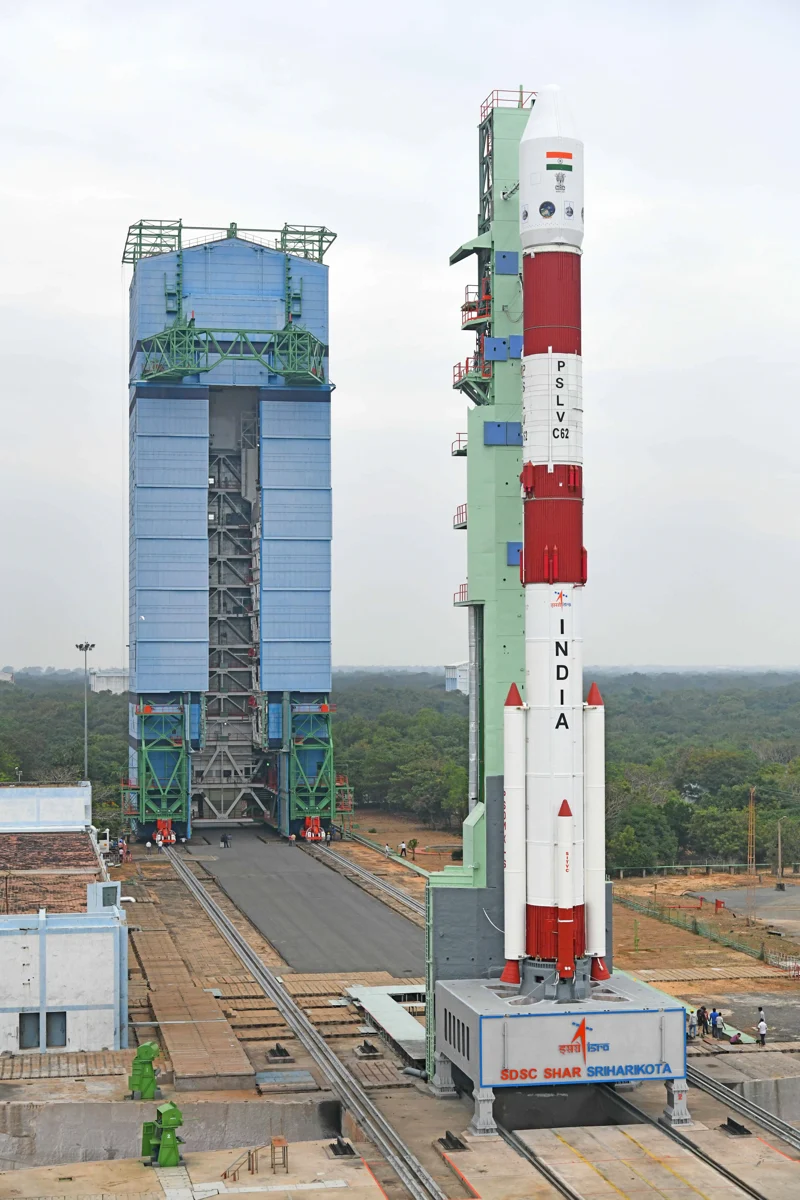 PSLV ↗India's launcher opening routes to the Moon and Mars. | India | 1993 | No crewed flight |
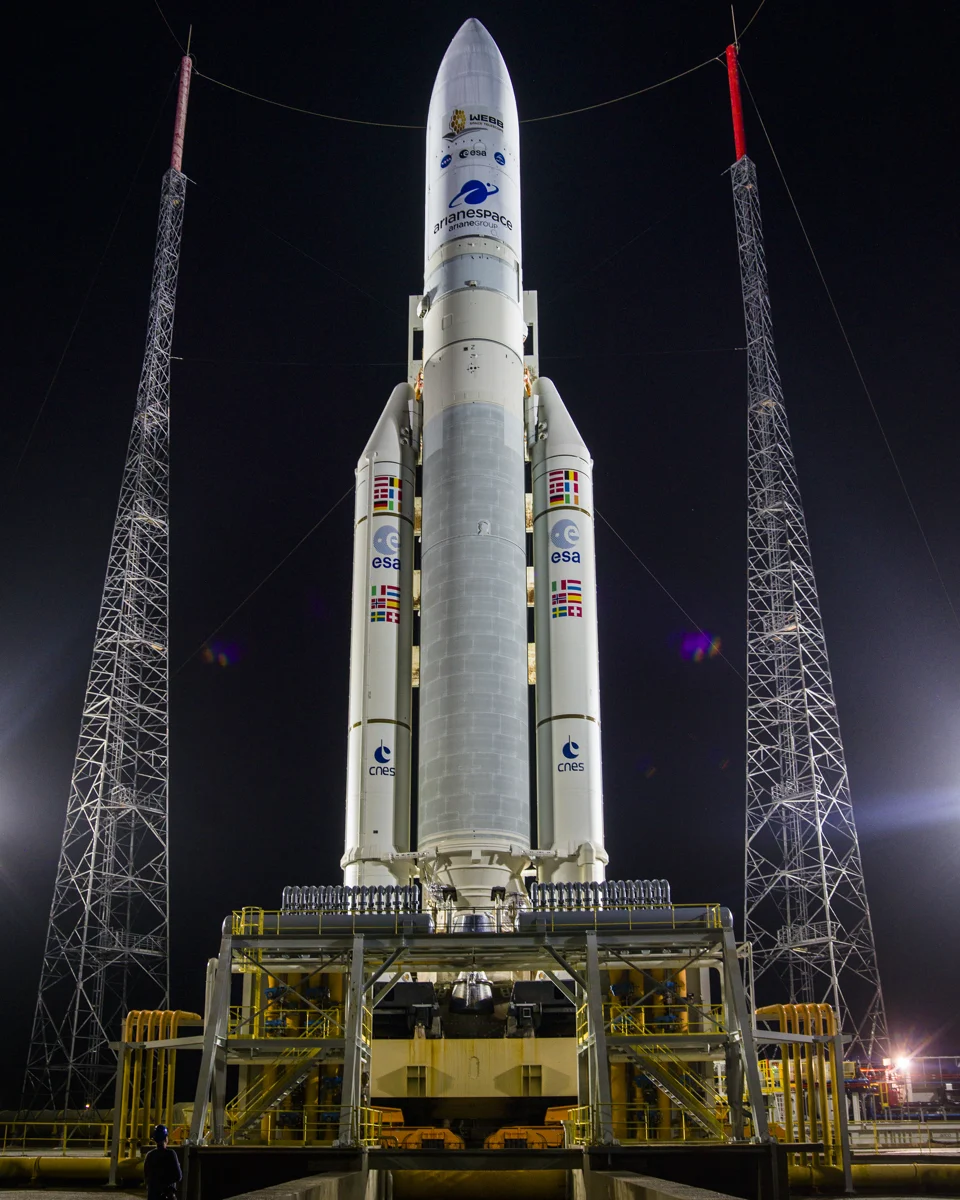 Ariane 5 ↗From telecommunications to great space observatories. | Europe | 1996 | No crewed flight |
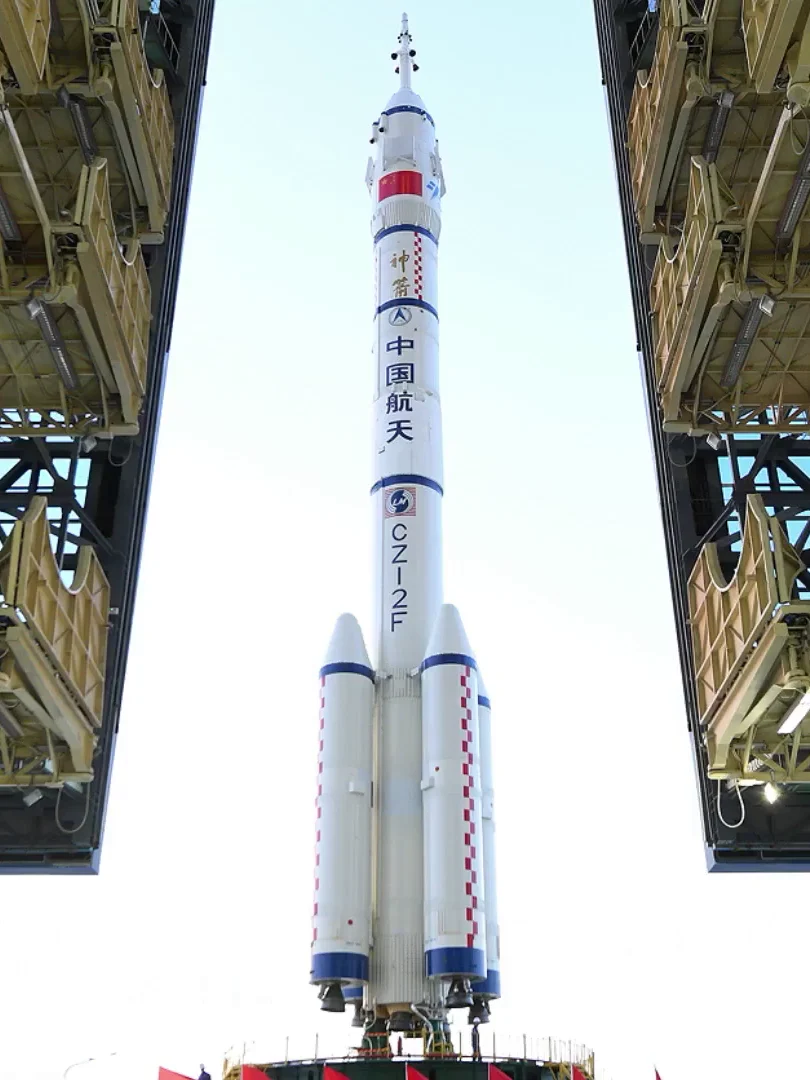 Longue Marche 2F / Long March 2F ↗The launcher of China's crewed Shenzhou programme. | China | 1999 | Has carried humans |
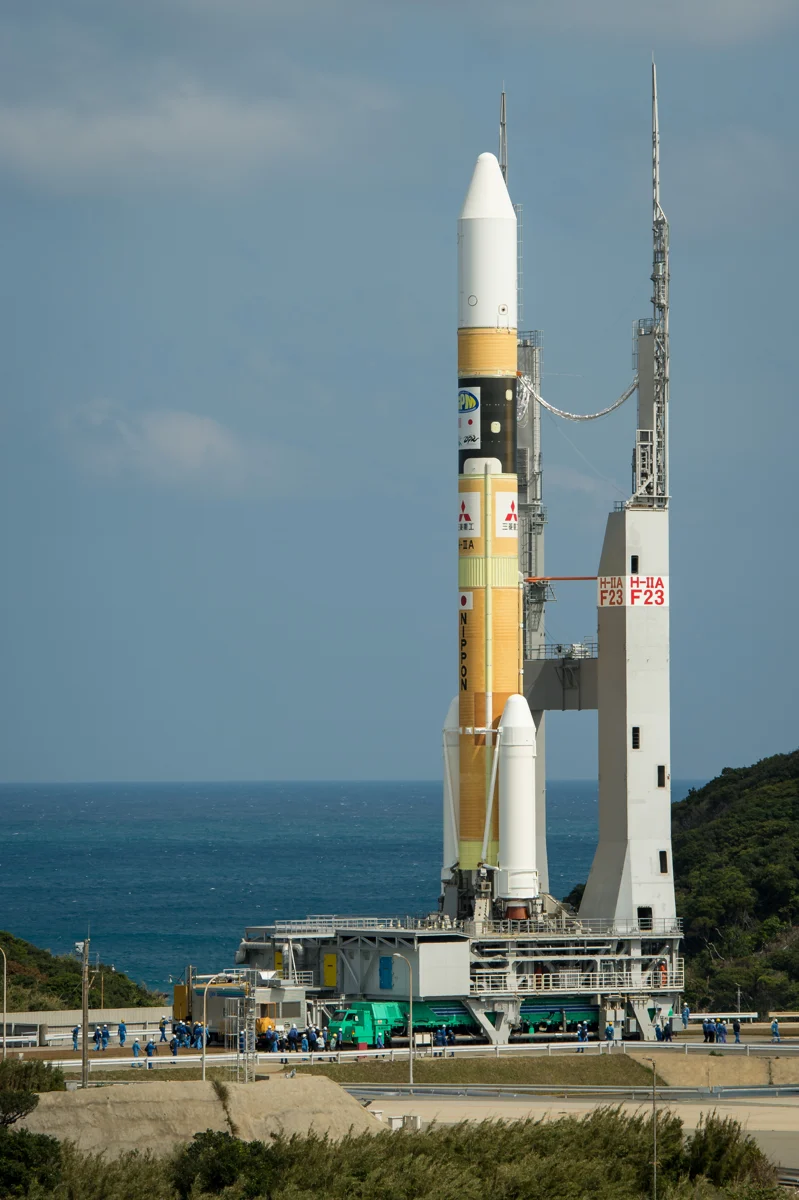 H-IIA ↗Japan's launcher for observation and exploration. | Japan | 2001 | No crewed flight |
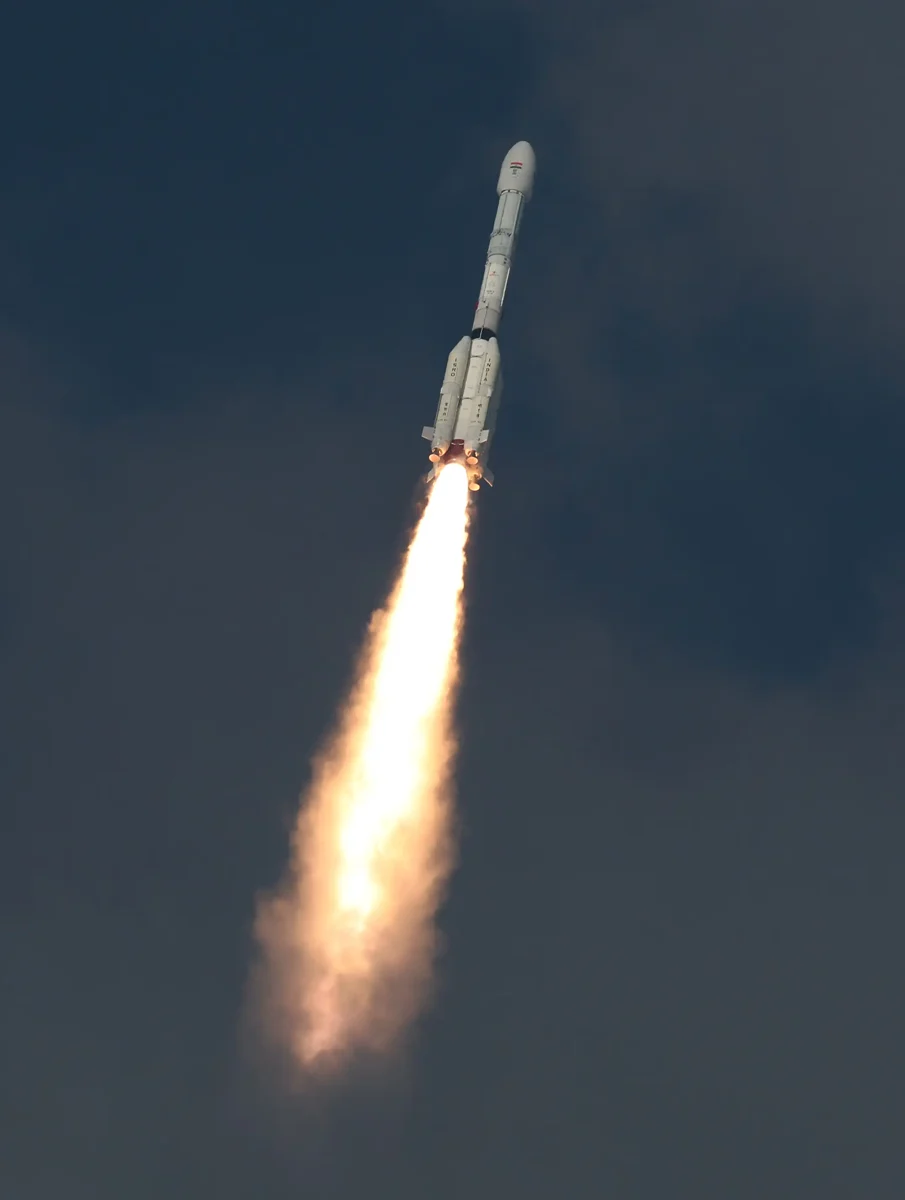 GSLV · Mk I / Mk II ↗India learns to master a cryogenic upper stage. | India | 2001 | No crewed flight |
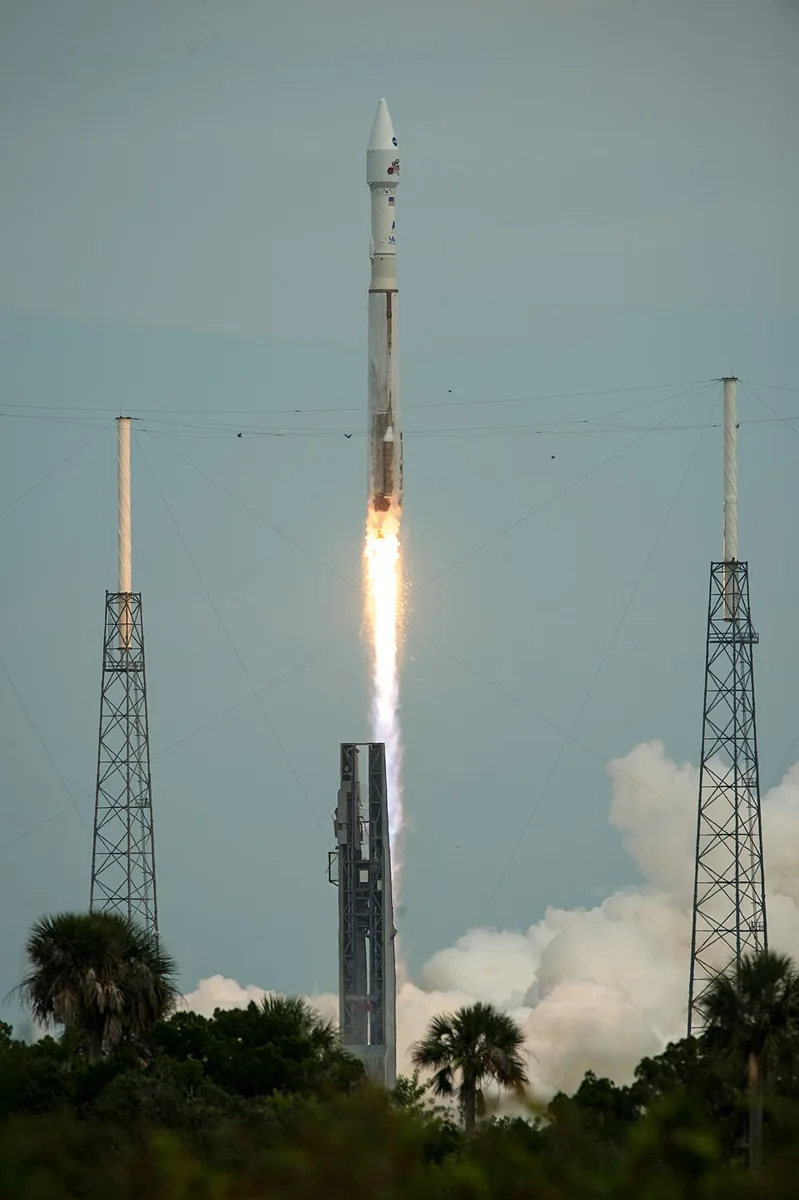 Atlas V ↗From Pluto exploration to carrying people toward the ISS. | United States | 2002 | Has carried humans |
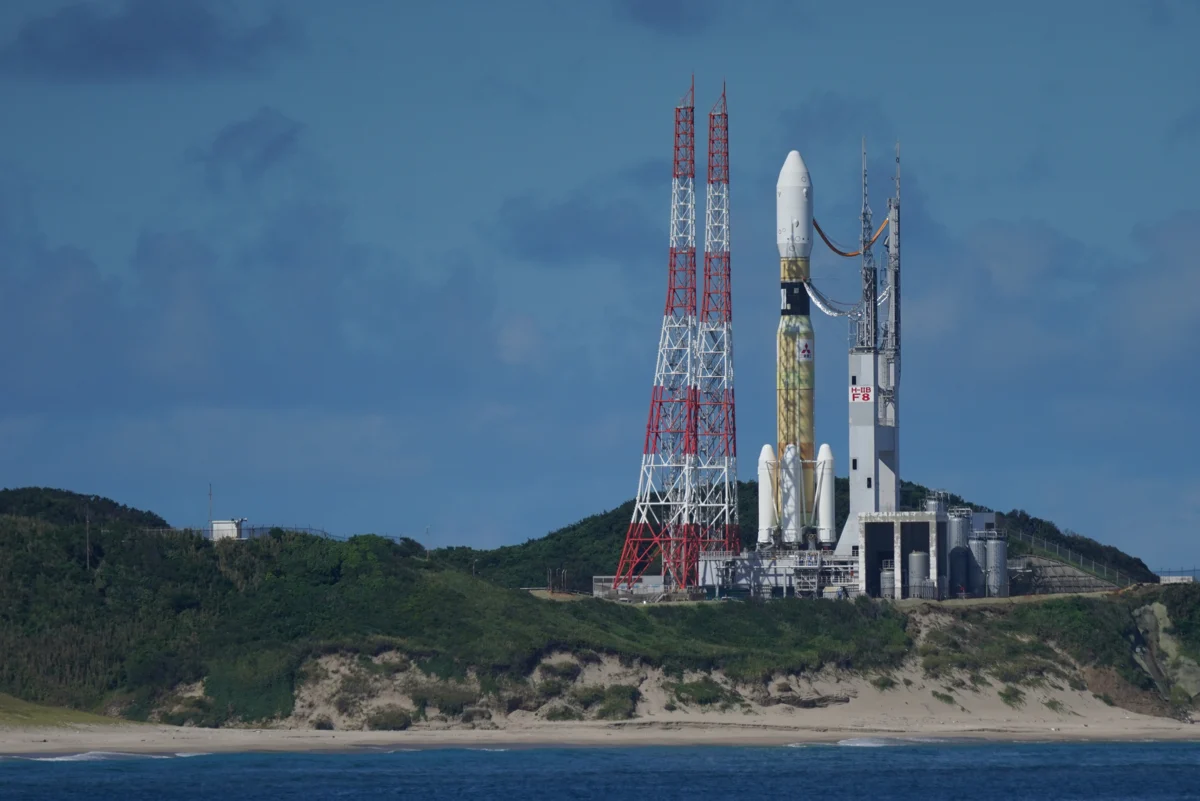 H-IIB ↗The launcher for Japanese cargo flights to the space station. | Japan | 2009 | No crewed flight |
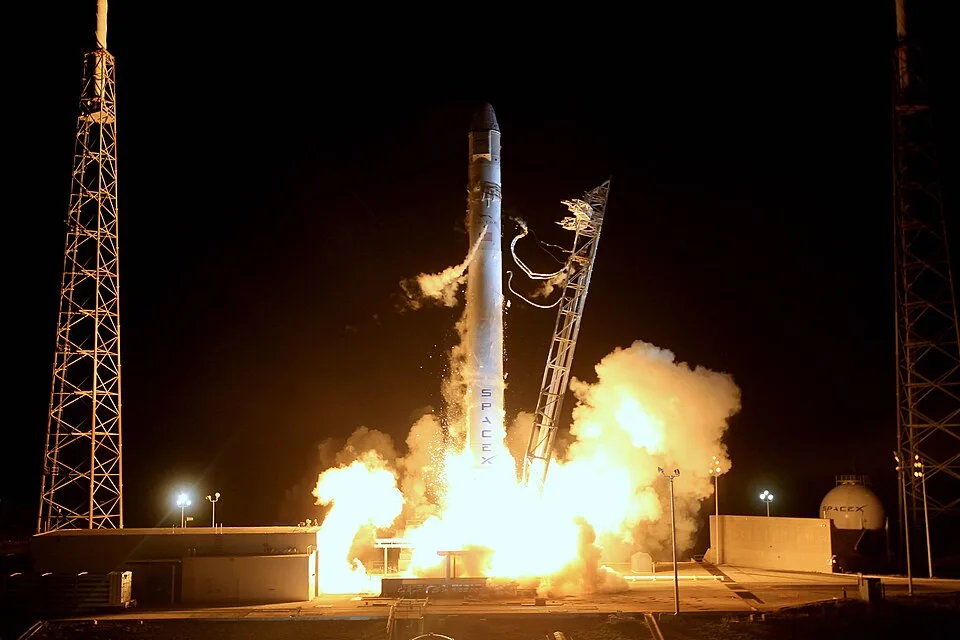 Falcon 9 ↗First-stage recovery becomes a regular operational practice. | United States | 2010 | Has carried humans |
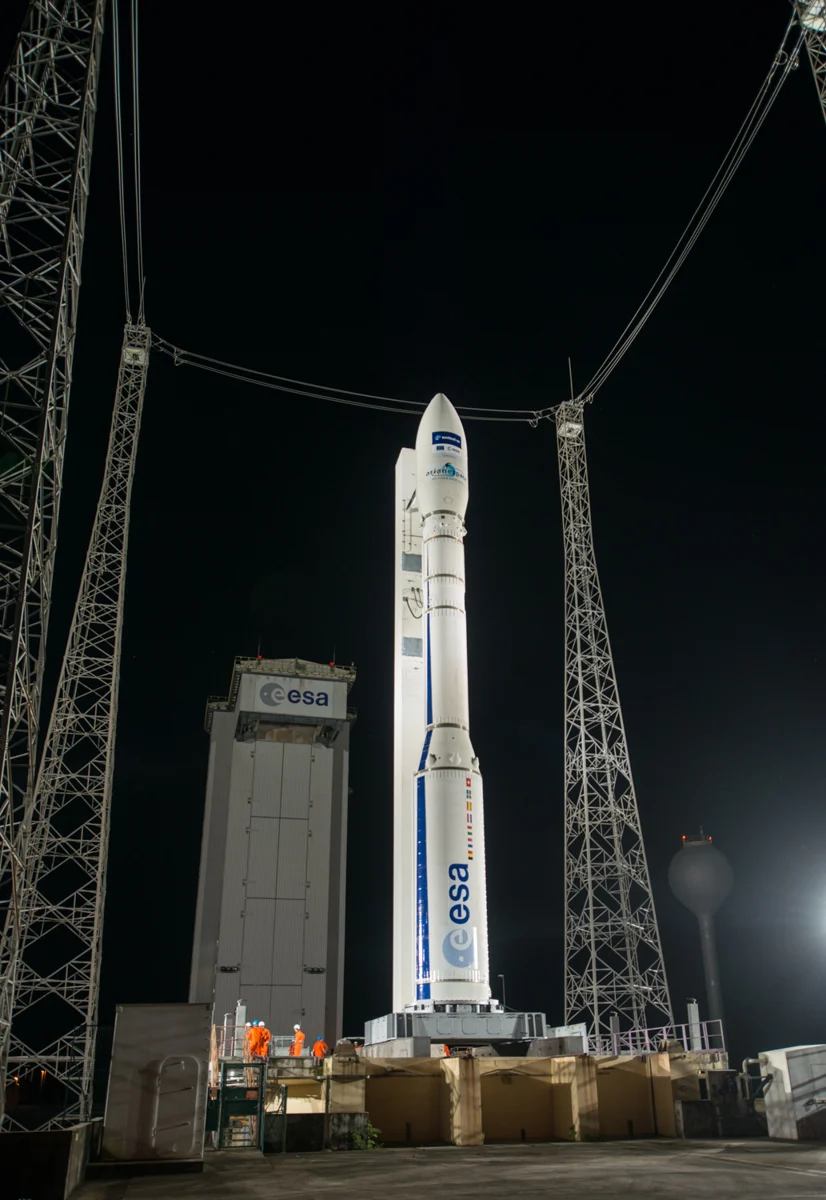 Vega ↗Europe's smaller launcher for satellites and demonstrators. | Europe | 2012 | No crewed flight |
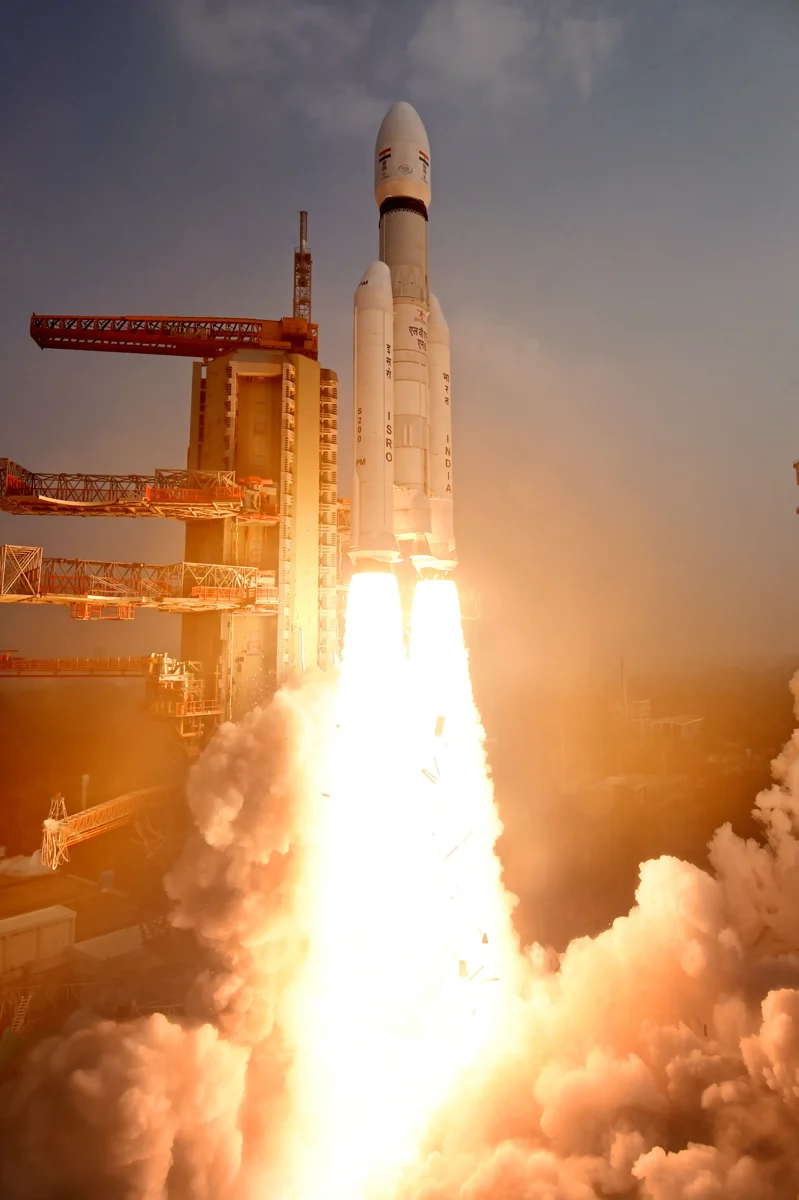 LVM3 · ex-GSLV Mk III ↗India's heavy launcher for lunar missions and large satellites. | India | 2014 | No crewed flight |
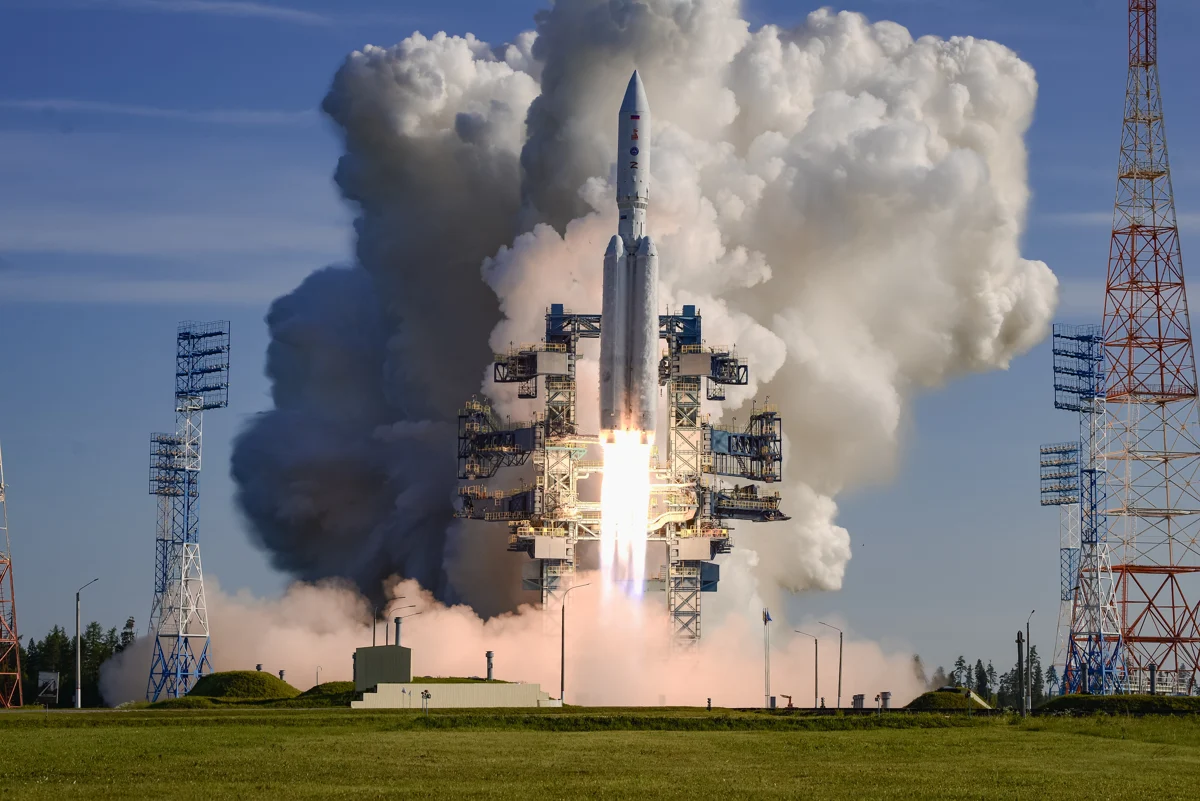 Angara ↗A modular family ranging from light to heavy launches. | Russia | 2014 | No crewed flight |
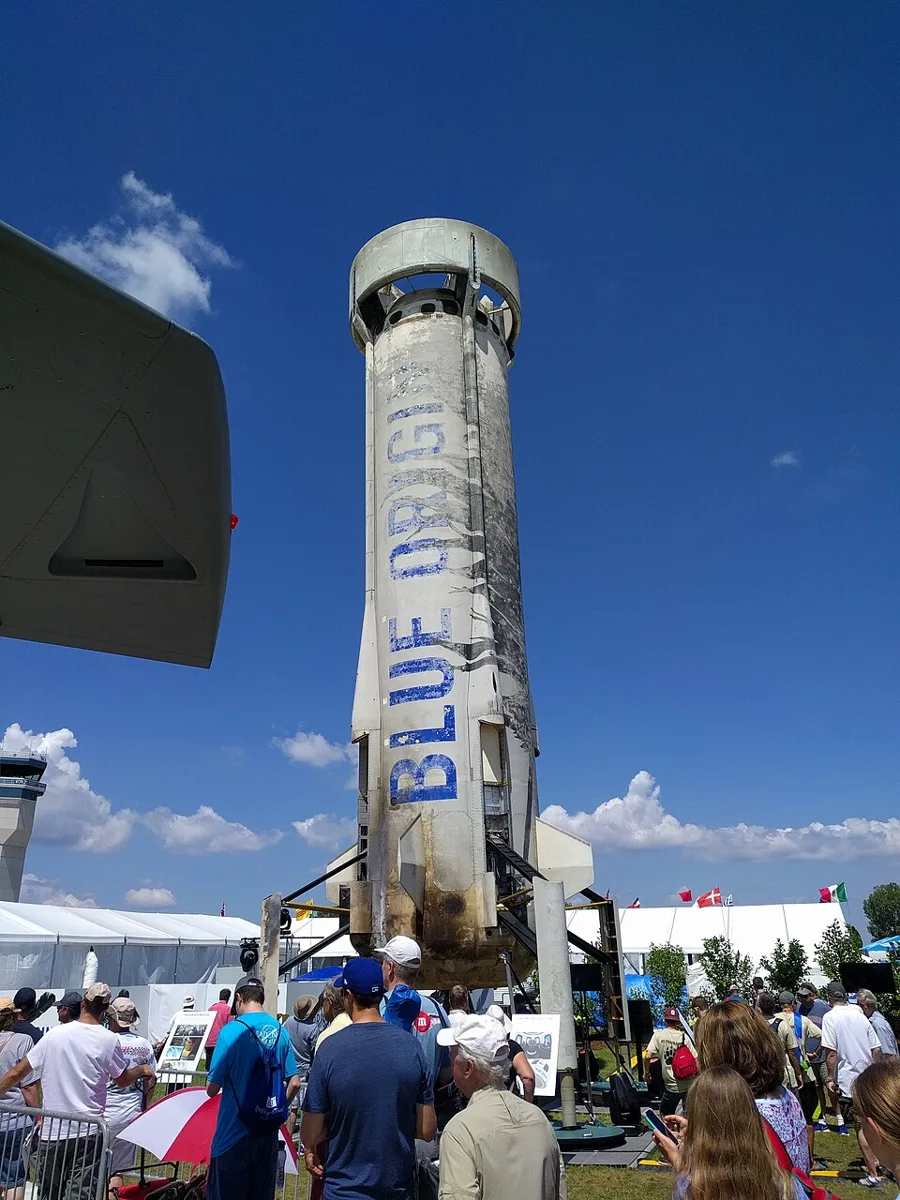 New Shepard ↗Minutes of weightlessness without circling Earth. | United States | 2015 | Has carried humans |
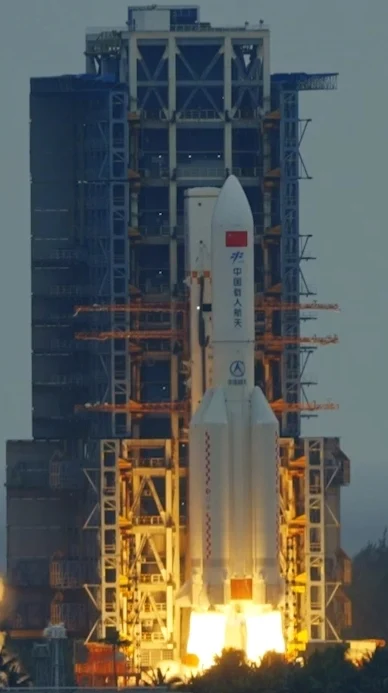 Longue Marche 5 / Long March 5 ↗The heavy launcher of China's major exploration missions. | China | 2016 | No crewed flight |
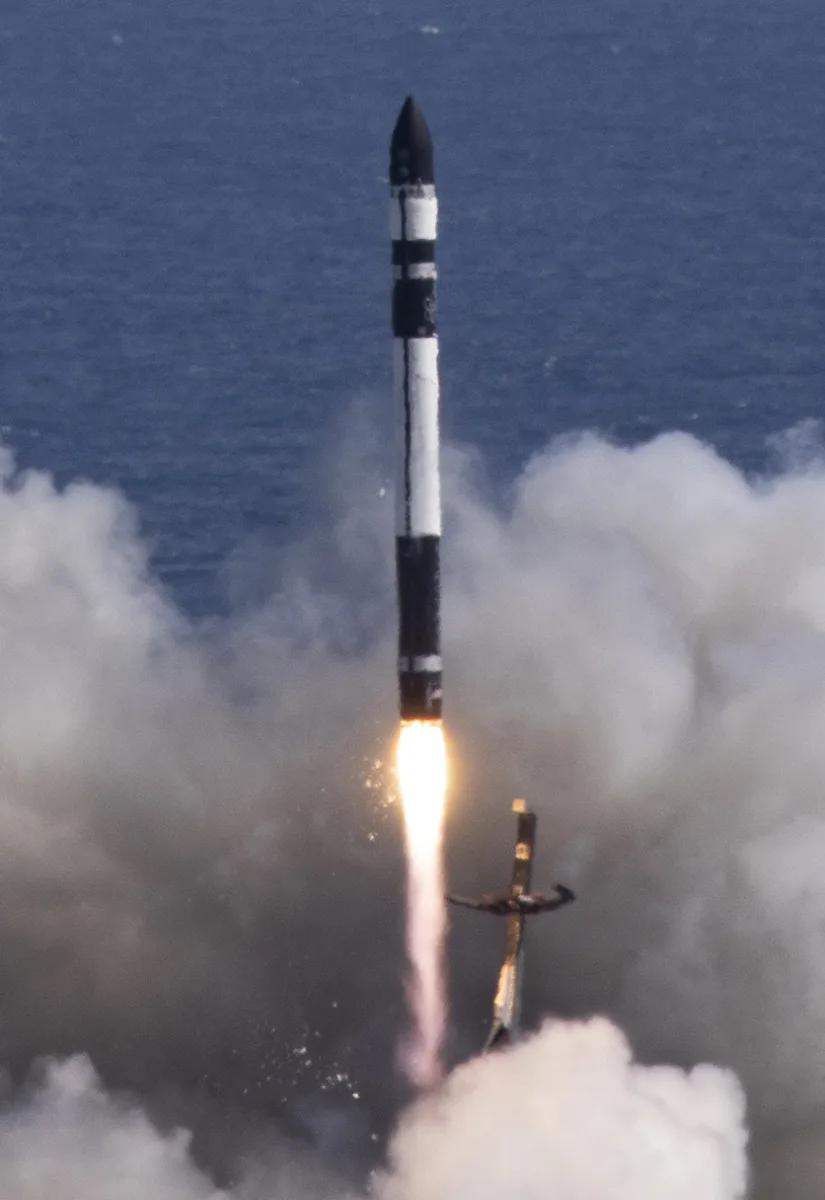 Electron ↗A small rocket offering more control over the destination orbit. | New Zealand / United States | 2017 | No crewed flight |
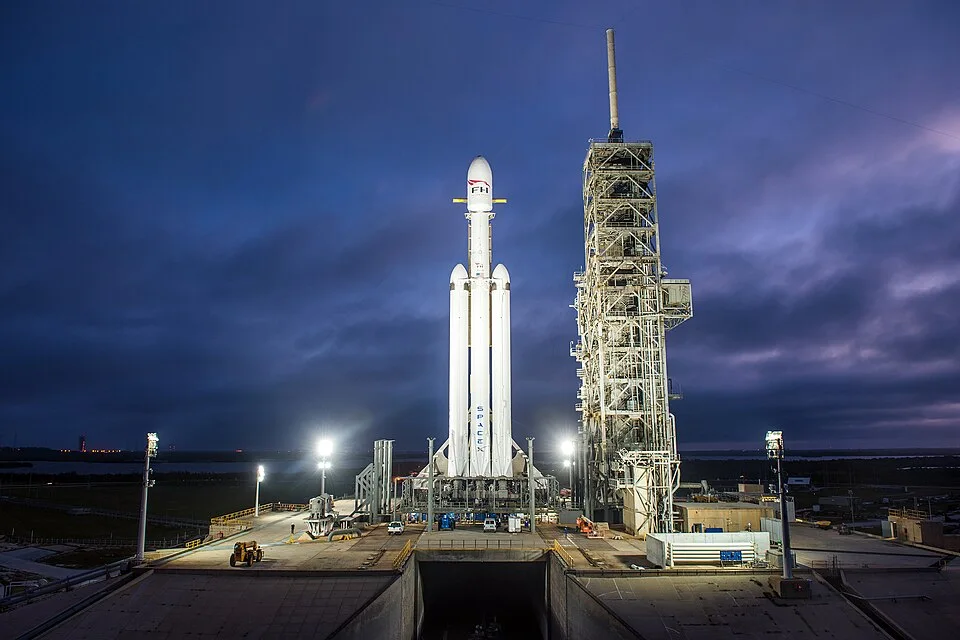 Falcon Heavy ↗Three rocket cores for demanding payloads and trajectories. | United States | 2018 | No crewed flight |
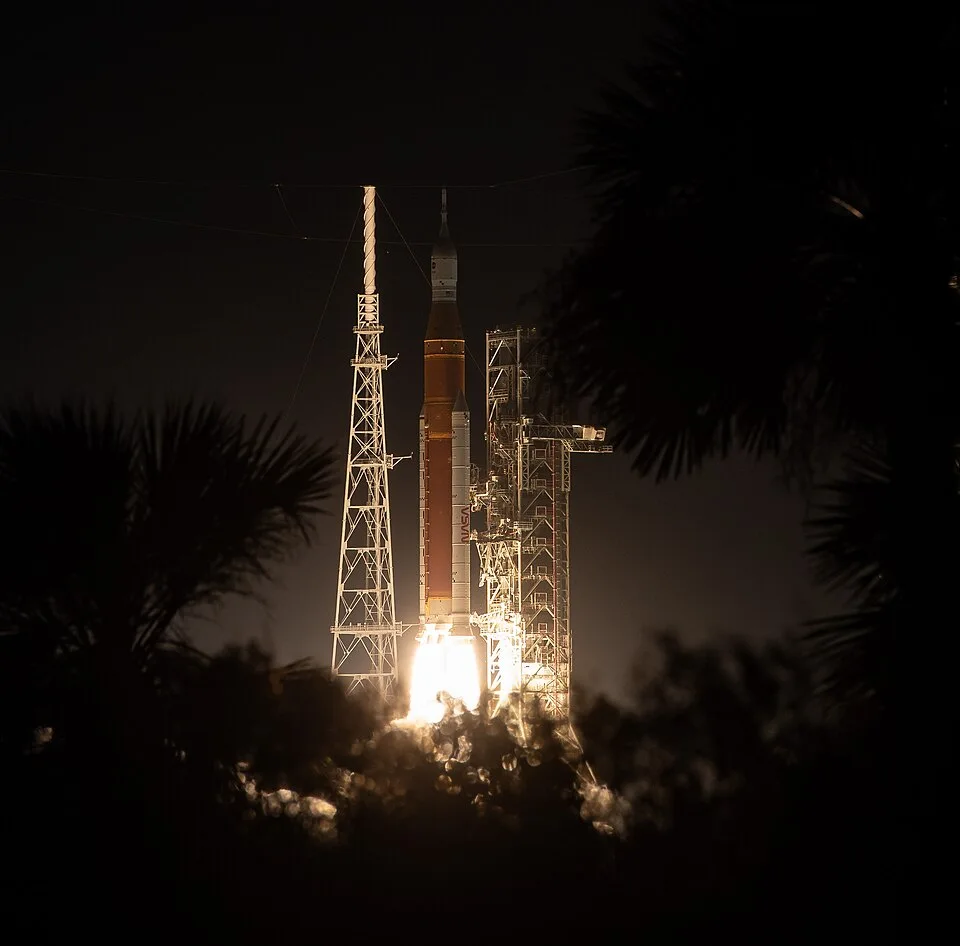 Space Launch System · SLS ↗The rocket that sends Orion toward the Moon. | United States | 2022 | Has carried humans |
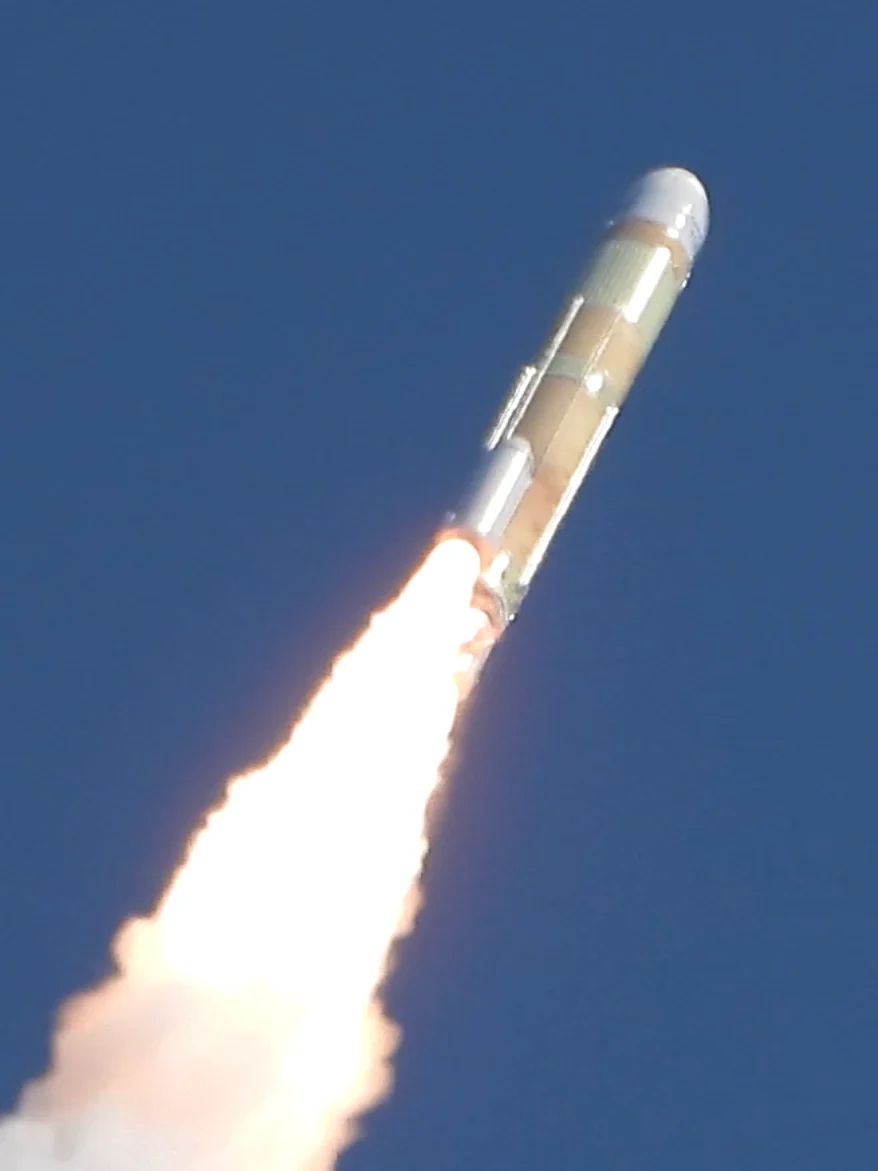 H3 ↗A new generation of Japanese access to space. | Japan | 2023 | No crewed flight |
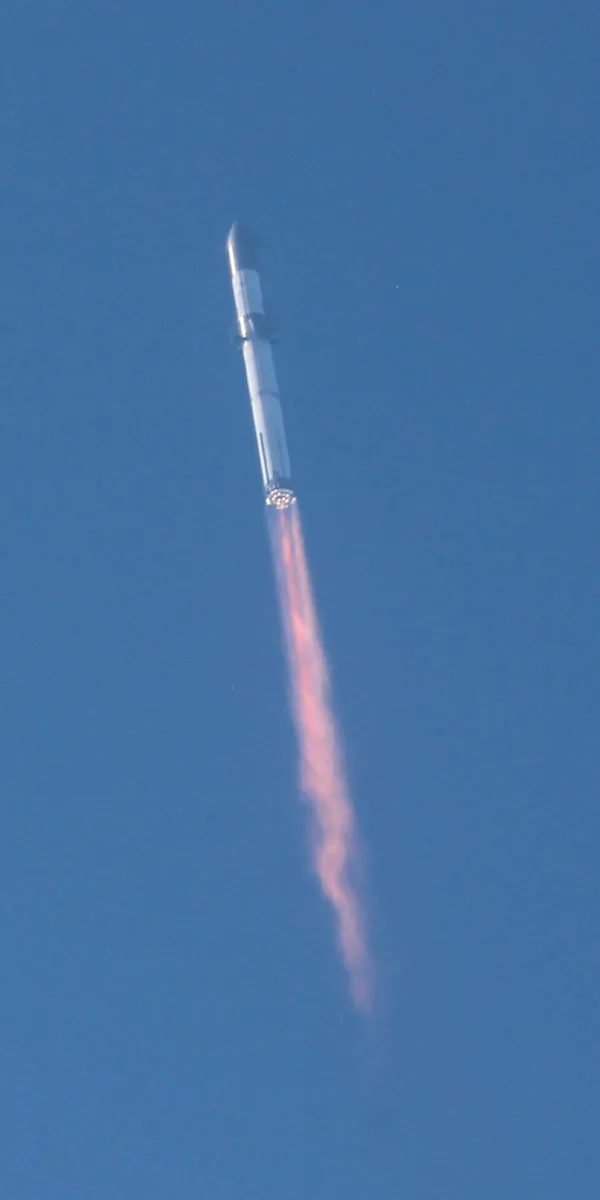 Starship / Super Heavy ↗Two giant stages testing complete reusability. | United States | 2023 | No crewed flight |
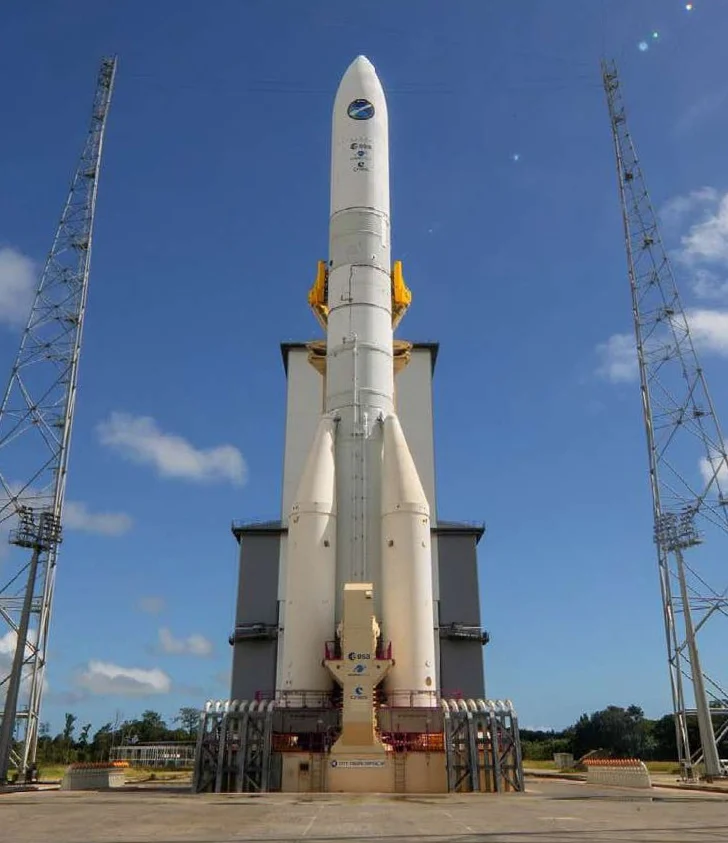 Ariane 6 ↗A European launcher for several kinds of mission. | Europe | 2024 | No crewed flight |
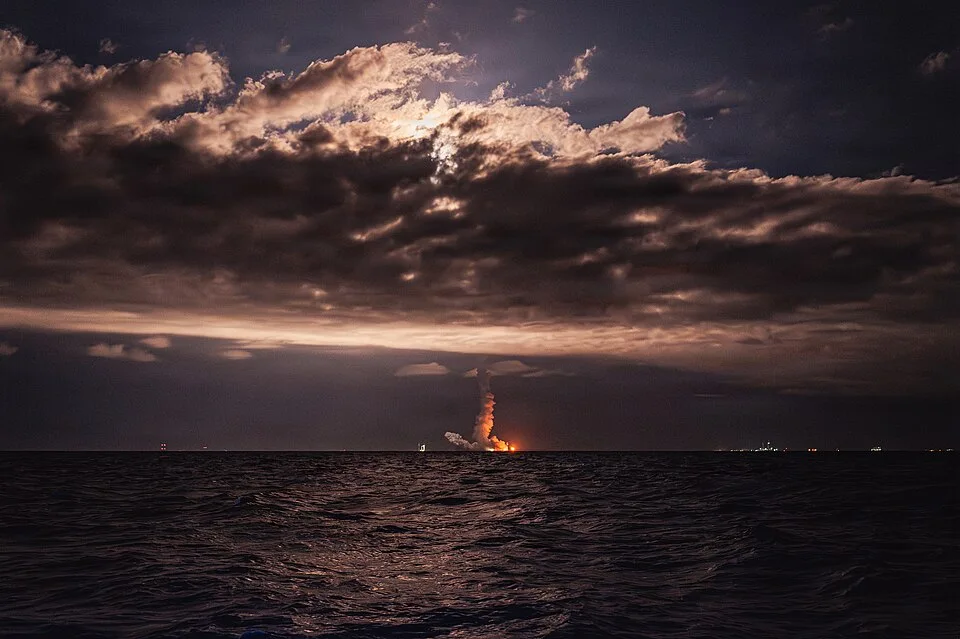 Vulcan Centaur ↗A new rocket built on Atlas and Delta experience. | United States | 2024 | No crewed flight |
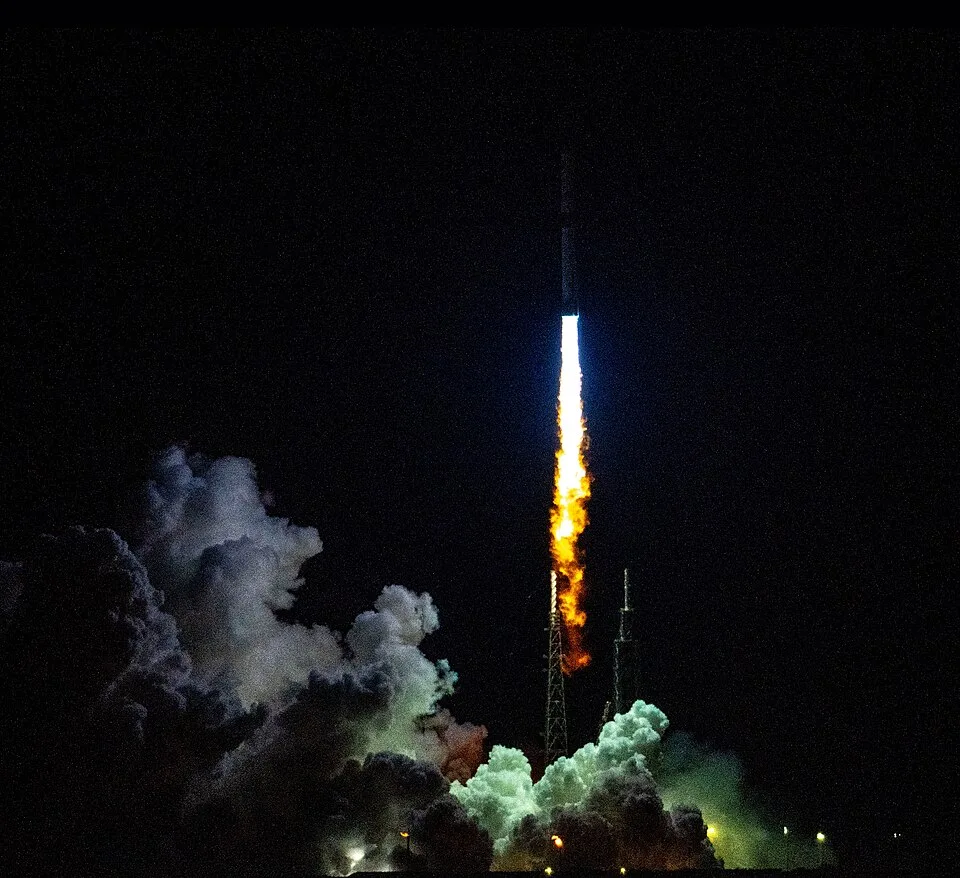 New Glenn ↗Blue Origin's move into heavy orbital launches. | United States | 2025 | No crewed flight |
First flight or first test of the family, including unsuccessful or suborbital attempts.