
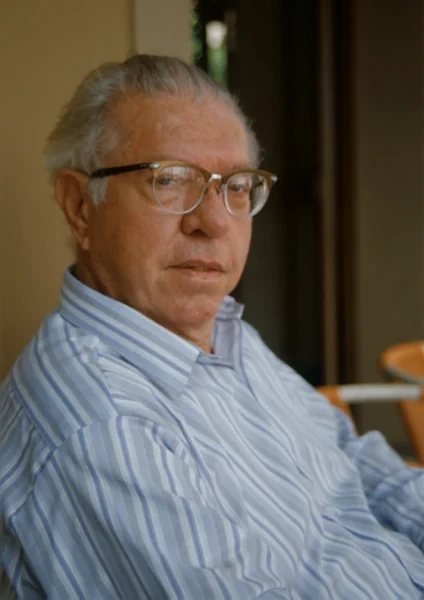

A life of research
Born in Yorkshire, he studied and worked at Cambridge. He used nuclear physics to investigate stellar evolution and the relationships between temperature, density and the reactions taking place inside stars.
His career included both major contributions and disputed proposals. This combination illustrates why scientific ideas must be judged through their predictions and the evidence, rather than through the reputation of their author.
Understanding the contribution
He investigated the production of elements inside stars and predicted an energy state in the carbon nucleus that favours its formation from helium. Its subsequent experimental identification helped explain the cosmic abundance of carbon.
In 1957 he joined Margaret Burbidge, Geoffrey Burbidge and William Fowler in a major account of stellar nucleosynthesis. Their work explained how stars produce a substantial part of the chemical diversity we observe.