
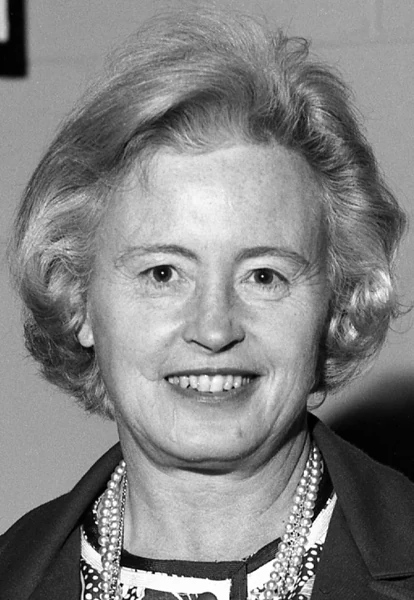


A life of research
Born in England, she trained in astronomy before developing her career in the United States, particularly at the University of California San Diego. Telescope observations remained central to her scientific work.
She faced restrictions on access to instruments because she was a woman and advocated equal opportunities in research. Her work ranged from stars to active galaxies and the development of instruments for space astronomy.
Understanding the contribution
In 1957, with Geoffrey Burbidge, William Fowler and Fred Hoyle, she published the synthesis of stellar element production known as B²FH. Her expertise in spectroscopy grounded the account in observed chemical abundances.
The paper described several mechanisms, including fusion reactions and neutron capture. It did not mean that every element originates inside stars: much of the Universe's hydrogen and helium comes from its primordial history.