
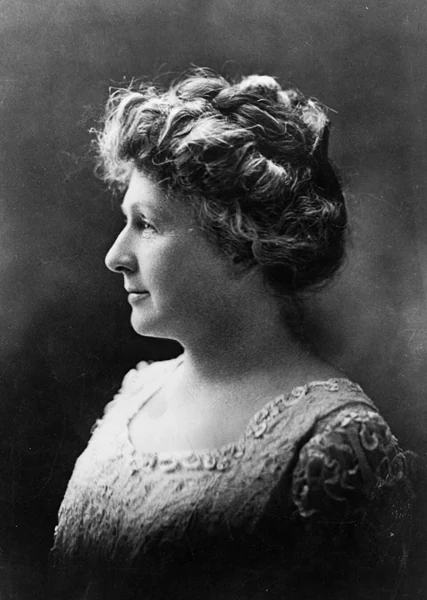

A life of research
Trained in science, she joined Harvard Observatory and worked with its immense photographic collection. She built a scientific career despite the restrictions placed on women and significant hearing loss.
Her trained eye allowed her to classify enormous numbers of spectra consistently. This work underpinned the Henry Draper Catalogue, published in several volumes between 1918 and 1924, making stellar information widely comparable.
Understanding the contribution
Cannon simplified earlier classifications by grouping stars according to patterns in their spectral lines. The resulting letters are not alphabetical because the sequence emerged through revisions guided by observations.
The sequence came to be understood as a temperature scale, from the hottest stars to the coolest. Cecilia Payne-Gaposchkin's work later explained how temperature and ionisation produce these changes in the appearance of stellar spectra.