
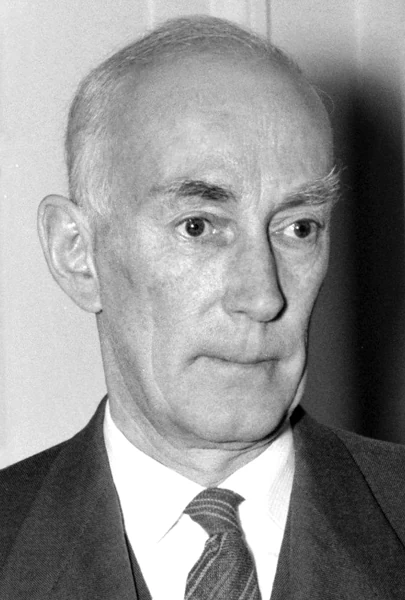

A life of research
Educated in the Netherlands, he spent most of his career at Leiden Observatory. He connected the measured movements of stars with larger questions about the organisation of our galaxy.
He also helped develop Dutch radio astronomy. Radio waves can pass through dusty regions that obstruct visible light, providing a different view of the Milky Way and its hydrogen gas.
Understanding the contribution
In 1927 his analysis of stellar motions supported differential galactic rotation: stars do not all move together like points on a rigid disc. The Oort constants describe aspects of this rotation in our local neighbourhood.
In 1950 he explained the orbits of many long-period comets through a distant reservoir, from which some objects are disturbed towards the Sun. This cloud is inferred from evidence; it has not been directly photographed as a whole.