
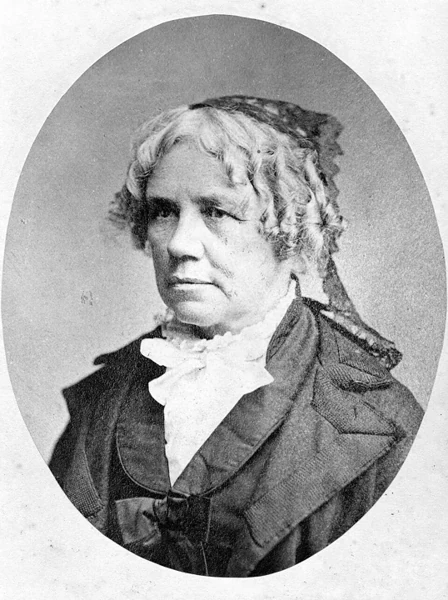

A life of research
Born on Nantucket, she learned astronomy with her father. Work on accurate timekeeping, celestial positions and instruments gave her a demanding practical education, outside the usual university route.
In 1847 she discovered a comet through a telescope and gained international recognition. In 1865 she became professor of astronomy and director of the observatory at the newly established Vassar College, a college for women.
Understanding the contribution
Mitchell believed that understanding the sky required measuring it. Her students used instruments, observed the Sun and joined scientific expeditions. They learned to produce evidence rather than simply read about other people's results.
Her contribution also concerned access to knowledge. She argued for serious scientific education for women when universities and learned societies offered them few opportunities to participate fully.