
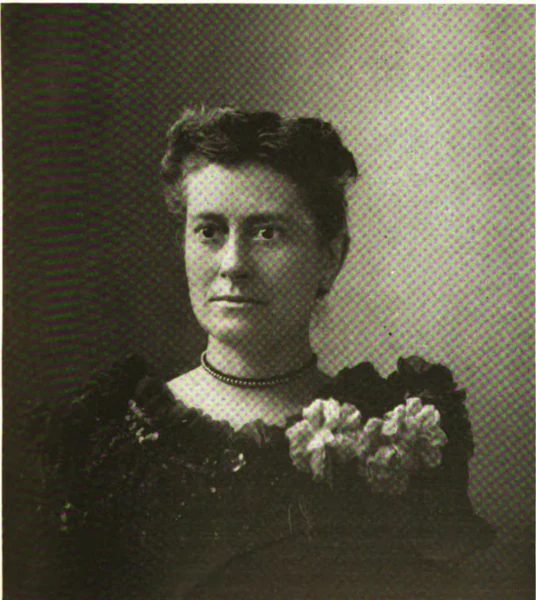

A life of research
Born in Dundee, Scotland, she emigrated to the United States and joined Harvard Observatory. She worked among the women employed to measure and interpret photographs of the sky.
She became responsible for coordinating this collective work and was appointed curator of astronomical photographs in 1899. The position recognised the value of archives that allowed astronomers to compare the sky across many years.
Understanding the contribution
Fleming grouped stars by the appearance of their spectra, particularly their hydrogen lines. The Draper Catalogue published in 1890 contained more than ten thousand classifications, providing a foundation that later researchers revised and developed.
Careful inspection also revealed unusual objects. In 1888 she identified the Horsehead Nebula on a photographic plate. Her achievement lay in recognising the feature in the image, rather than in taking the photograph herself.