
1958Moon
Pioneer 0
- Launch / attempt
- Country / organisation
- United States
Initial objective : Orbit insertion
Launch failure.
From the Moon to the edge of the Solar System: the robots that led the way.
This register includes robotic lunar and planetary missions from the NASA/NSSDC chronology, supplemented with solar probes, L1 missions and confirmed recent launches. Failed launch attempts are included. Crewed flights, space telescopes, Earth satellites and unlaunched projects are excluded. One entry may group several vehicles; rovers, landers and mission extensions are generally listed with their parent mission. This is therefore not a count of every individual spacecraft.
A documented catalogue, not a real-time tracker: an initial objective does not mean the destination was reached or the mission still operates. Not every gravity-assist flyby is indexed. Coverage depends on available sources and is not an exhaustive register of every payload or prototype. Dates refer to launch from Earth, in UTC when available.
Sources checked on 23 October 2026
Photographs, image mosaics and artist’s concepts: each caption explains what you are looking at.
NASA/JPL-Caltech · Image source
View record →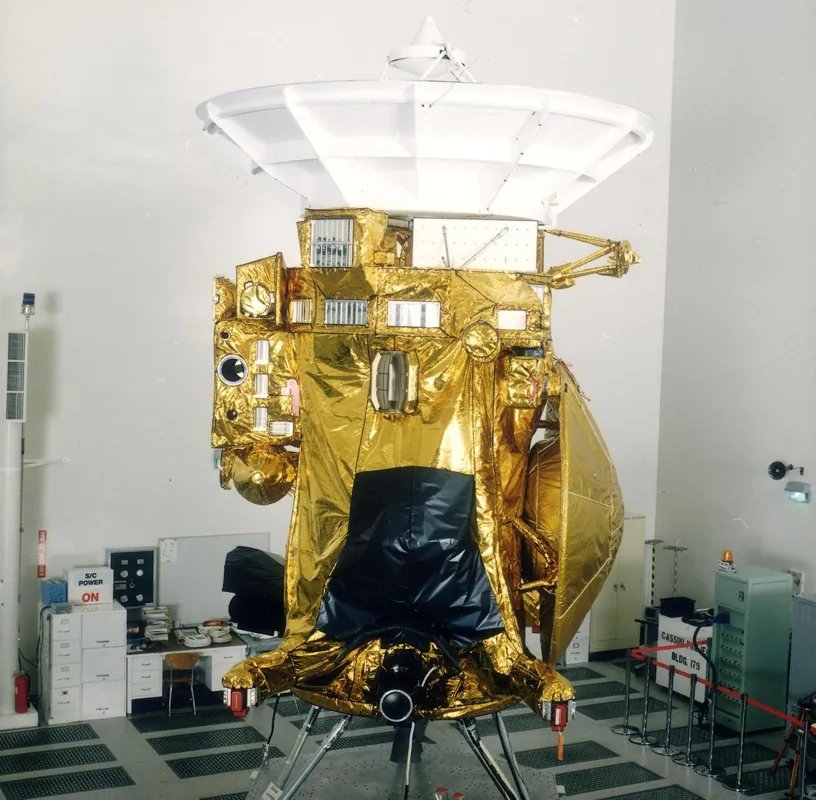
NASA/JPL · Image source
View record →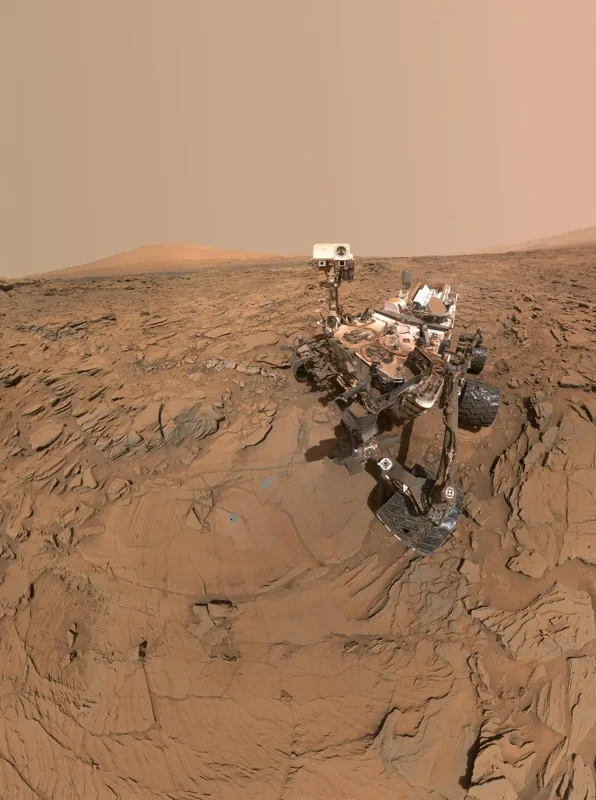
NASA/JPL-Caltech/MSSS · Image source
View record →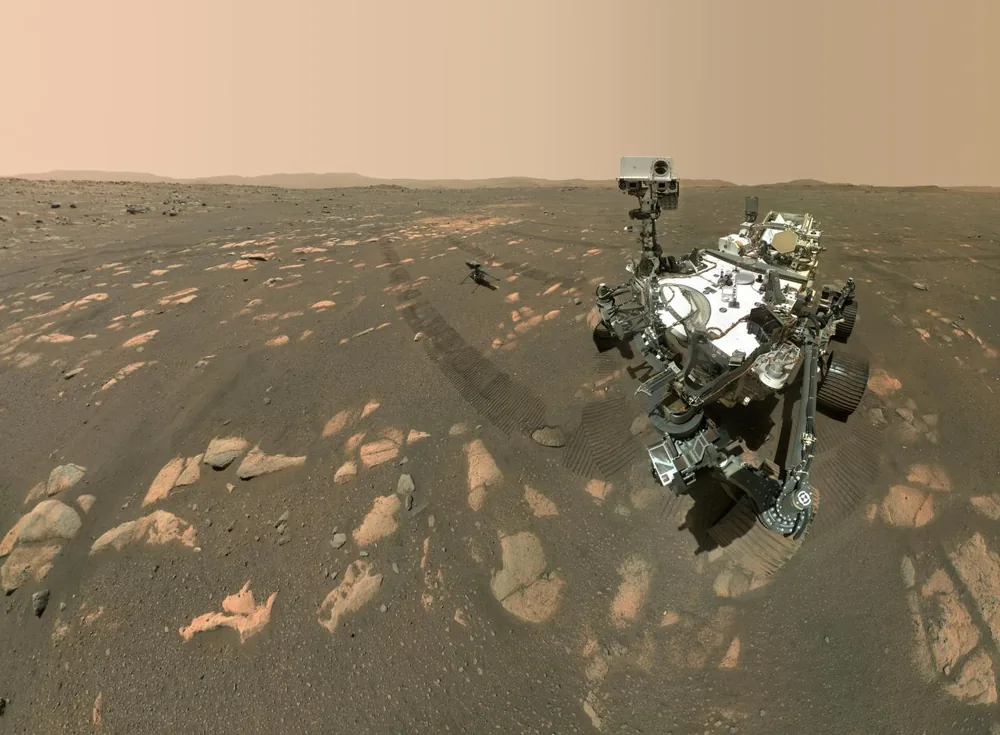
NASA/JPL-Caltech/MSSS · Image source
View record →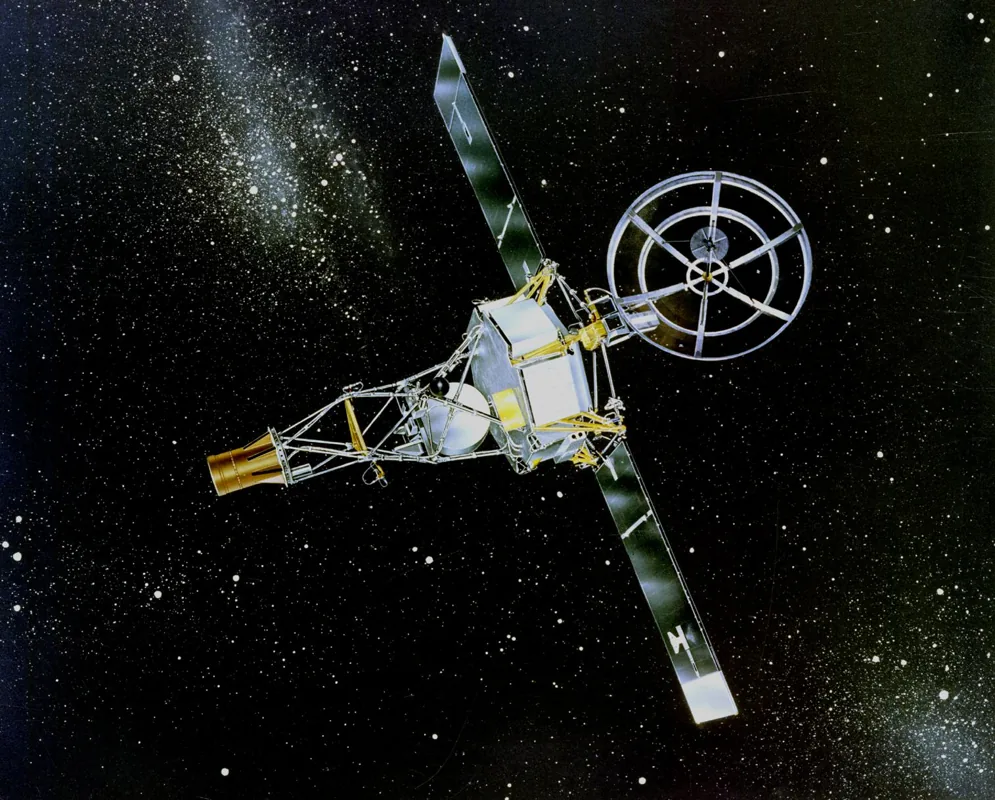
NASA/JPL · Image source
View record →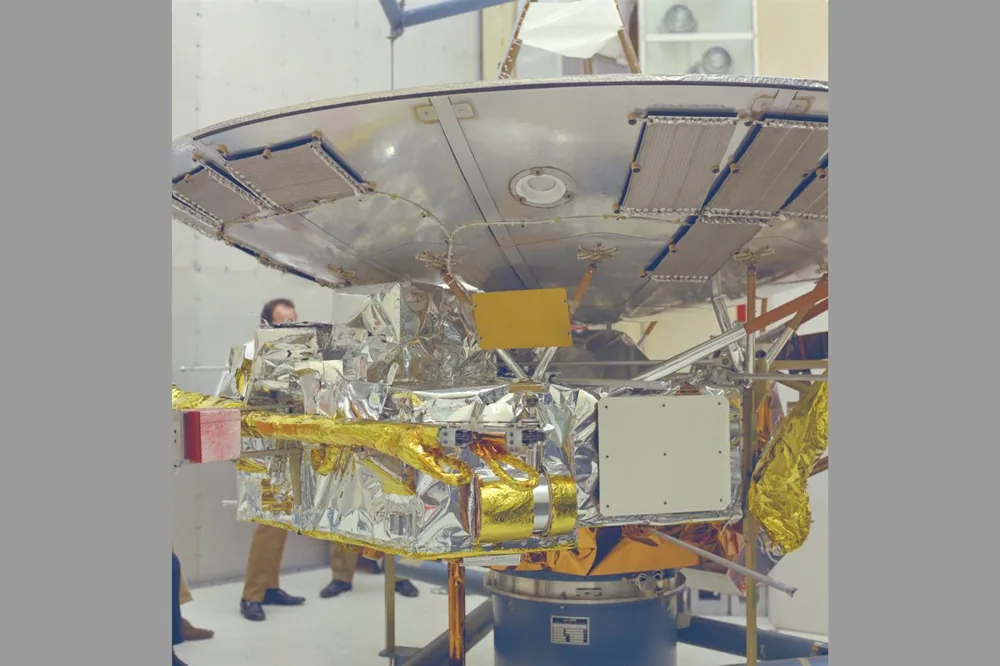
NASA/Ames Research Center · Image source
View record →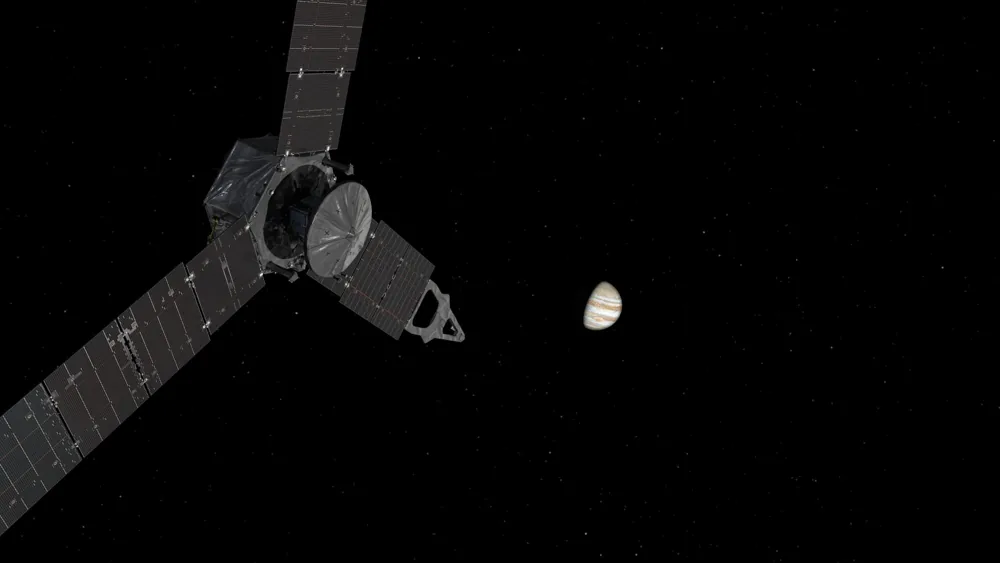
NASA/JPL-Caltech · Image source
View record →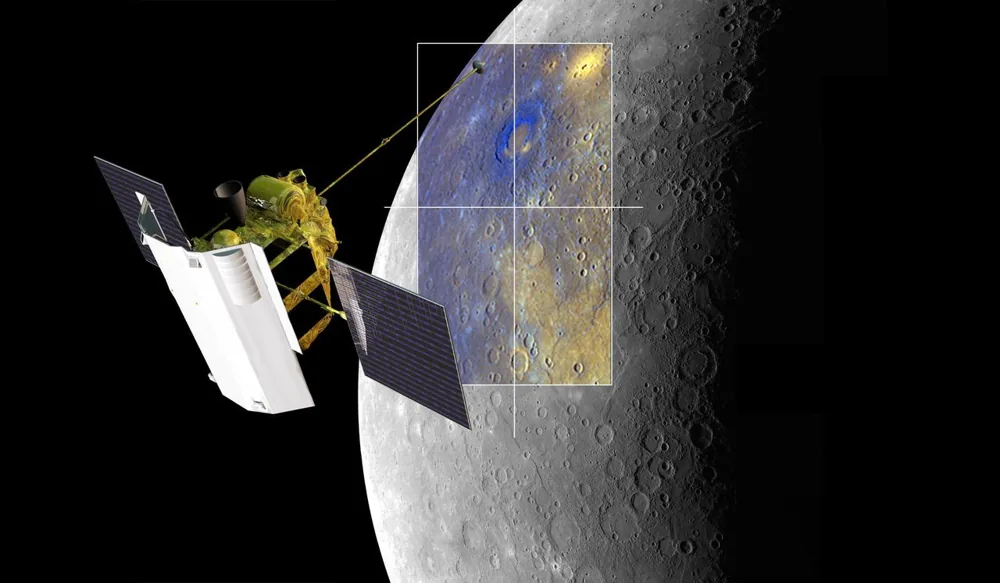
NASA/Johns Hopkins University Applied Physics Laboratory/Carnegie Institution of Washington · Image source
View record →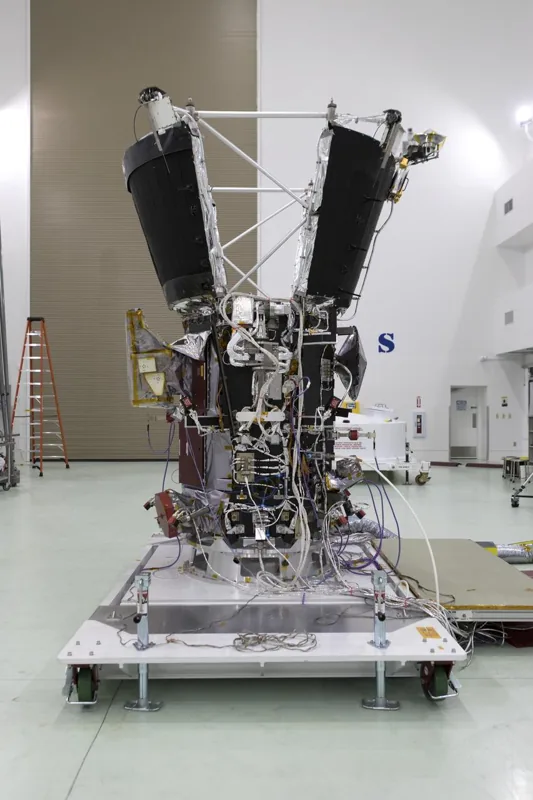
NASA/Kim Shiflett · Image source
View record →
NASA/GSFC · Image source
View record →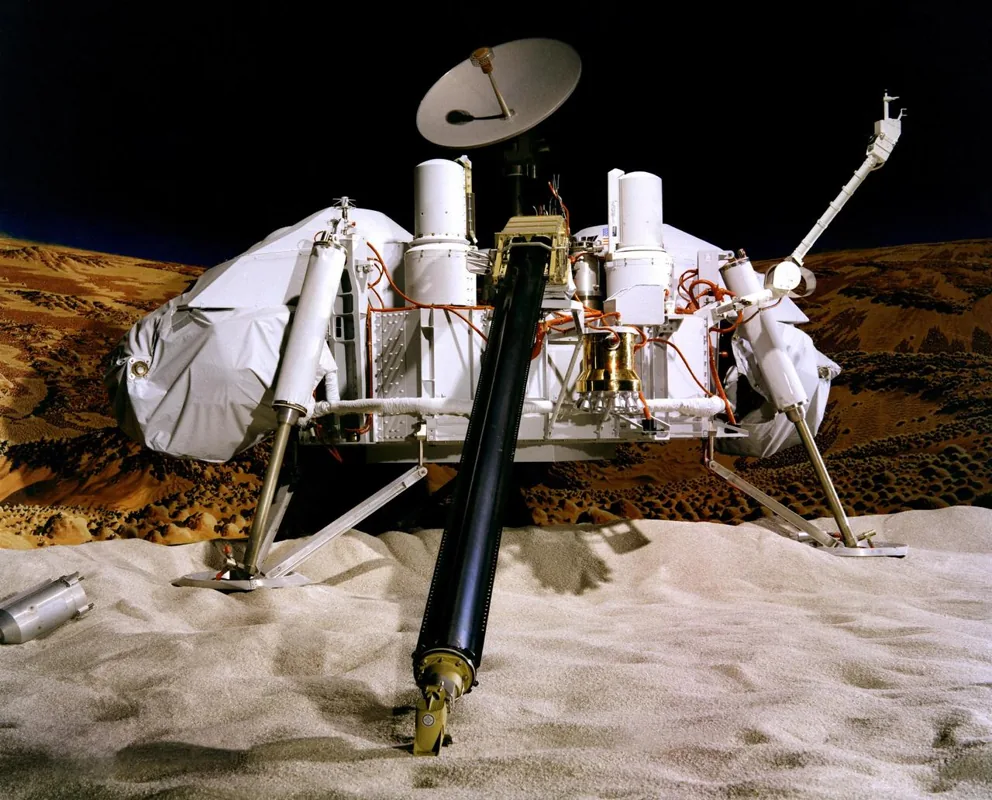
NASA/JPL-Caltech/University of Arizona · Image source
View record →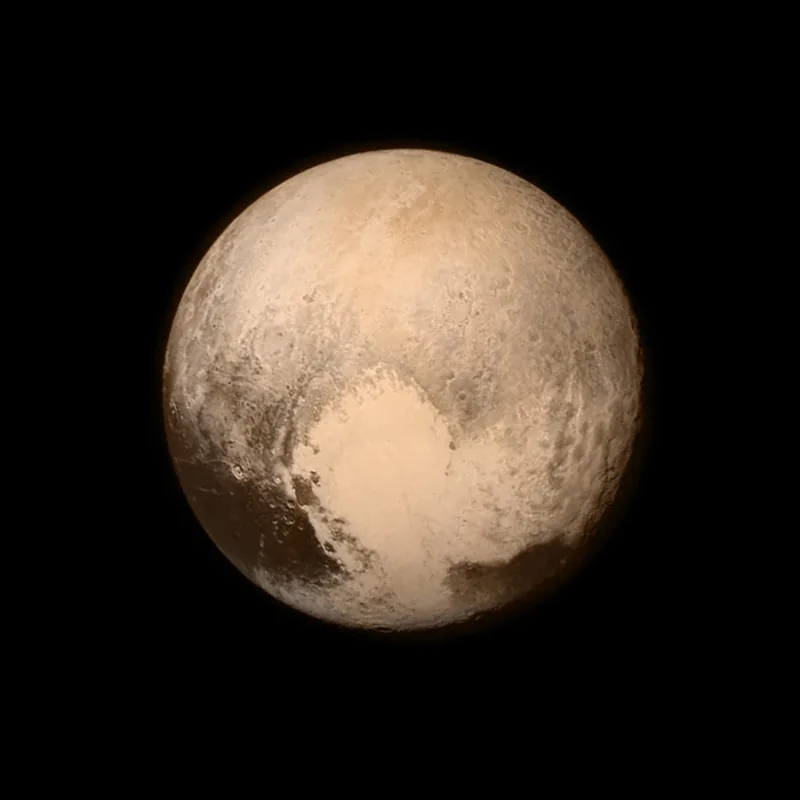
NASA/APL/SwRI · Image source
View record →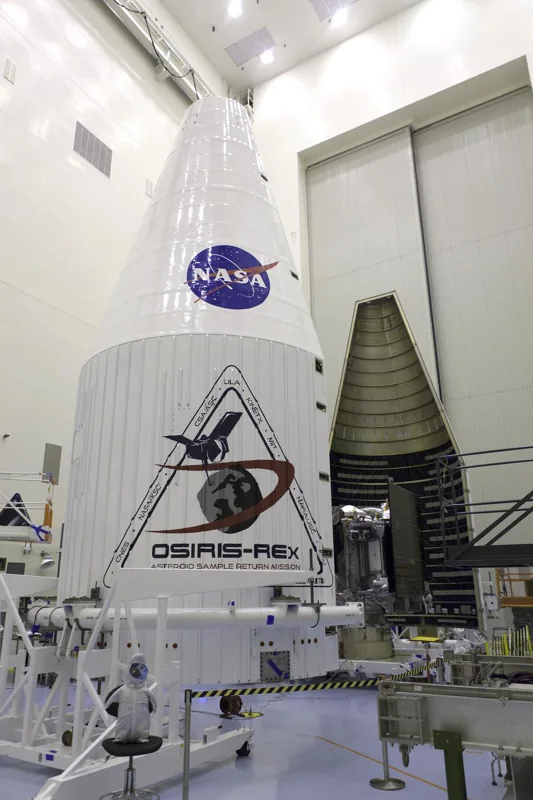
NASA/Dimitri Gerondidakis · Image source
View record →283 documented missions and attempts
No mission matches these filters.
Initial objective : Orbit insertion
Launch failure.
Initial objective : Impact
Launch failure. Historical objective uncertain in the source.
Initial objective : Orbit insertion
Launch failure.
Initial objective : Impact
Launch failure. Historical objective uncertain in the source.
Initial objective : Orbit insertion
Launch failure.
Initial objective : Impact
Launch failure. Historical objective uncertain in the source.
Initial objective : Flyby
Launch failure.
Initial objective : Impact · Flyby
Objective not fully achieved according to the chronology. Historical objective uncertain in the source.
Initial objective : Flyby
Initial objective : Impact
Launch failure. Historical objective uncertain in the source.
Initial objective : Impact
Initial objective : Flyby
In October 1959, Luna 3 transmitted the first images of the Moon’s far side. Despite their low resolution, they revealed a hemisphere very different from the one visible from Earth.
Initial objective : Orbit insertion
Launch failure.
Initial objective : Orbit insertion
Initial objective : Flyby
Launch failure.
Initial objective : Flyby
Launch failure.
Initial objective : Orbit insertion
Launch failure.
Initial objective : Flyby
Launch failure.
Initial objective : Flyby
Launch failure.
Initial objective : Orbit insertion
Launch failure.
Initial objective : Impact
Objective not fully achieved according to the chronology.
Initial objective : Flyby
Contact lost according to the chronology.
Initial objective : Technology demonstration
Objective not fully achieved according to the chronology.
Initial objective : Technology demonstration
Objective not fully achieved according to the chronology.
Initial objective : Impact
Objective not fully achieved according to the chronology.
Initial objective : Impact
Initial objective : Flyby
Launch failure.
Initial objective : Flyby
Objective not fully achieved according to the chronology.
Initial objective : Flyby
In December 1962, Mariner 2 completed the first successful scientific flyby of another planet. Its measurements of Venus confirmed an extremely hot world beneath a thick cloud cover.
Initial objective : Flyby
Objective not fully achieved according to the chronology.
Initial objective : Flyby
Objective not fully achieved according to the chronology.
Initial objective : Impact
Objective not fully achieved according to the chronology.
Initial objective : Flyby
Objective not fully achieved according to the chronology.
Initial objective : Flyby
Contact lost according to the chronology.
Initial objective : Landing
Objective not fully achieved according to the chronology.
Initial objective : Landing
Objective not fully achieved according to the chronology.
Initial objective : Landing
Launch failure.
Initial objective : Landing
Objective not fully achieved according to the chronology.
Initial objective : Technology demonstration
Objective not fully achieved according to the chronology. Historical objective uncertain in the source.
Initial objective : Impact
Cameras failed.
Initial objective : Flyby
Launch failure.
Initial objective : Flyby
Launch failure.
Initial objective : Landing
Launch failure.
Initial objective : Flyby
Objective not fully achieved according to the chronology.
Initial objective : Flyby
Contact lost according to the chronology.
Initial objective : Landing
Launch failure.
Initial objective : Landing
Launch failure.
Initial objective : Impact
Initial objective : Flyby
Objective not fully achieved according to the chronology.
Initial objective : Flyby
The 1965 Mars flyby provided the first close-up photographs of another planet. The observed craters profoundly changed prevailing ideas about the Red Planet.
Initial objective : Flyby
Contact lost according to the chronology.
Initial objective : Impact
Initial objective : Landing
Objective not fully achieved according to the chronology.
Initial objective : Impact
Initial objective : Landing
Launch failure. Historical objective uncertain in the source.
Initial objective : Impact
Objective not fully achieved according to the chronology.
Initial objective : Landing
Objective not fully achieved according to the chronology.
Initial objective : Flyby
Initial objective : Impact
Objective not fully achieved according to the chronology.
Initial objective : Flyby
Contact lost according to the chronology.
Initial objective : Landing
Contact lost according to the chronology.
Initial objective : Landing
Objective not fully achieved according to the chronology. Historical objective uncertain in the source.
Initial objective : Flyby
Launch failure.
Initial objective : Impact
Objective not fully achieved according to the chronology. Historical objective uncertain in the source.
Initial objective : Orbit insertion
Initial objective : Landing
On 3 February 1966, Luna 9 achieved the first soft landing on the Moon. Its panoramas showed ground capable of supporting a spacecraft, helping prepare subsequent surface exploration.
Initial objective : Orbit insertion
Objective not fully achieved according to the chronology. Historical objective uncertain in the source.
Initial objective : Orbit insertion
Initial objective : Orbit insertion
Launch failure. Historical objective uncertain in the source.
Initial objective : Landing
Initial objective : Orbit insertion
Objective not fully achieved according to the chronology.
Initial objective : Orbit insertion
Initial objective : Orbit insertion
Initial objective : Orbit insertion
Initial objective : Landing
Objective not fully achieved according to the chronology.
Initial objective : Orbit insertion
Initial objective : Orbit insertion
Initial objective : Landing
Initial objective : Orbit insertion
Initial objective : Landing
Initial objective : Orbit insertion
Initial objective : Atmospheric investigation
Initial objective : Flyby
Initial objective : Atmospheric investigation
Objective not fully achieved according to the chronology.
Initial objective : Landing
Objective not fully achieved according to the chronology.
Initial objective : Orbit insertion
Initial objective : Orbit insertion
Initial objective : Landing
Initial objective : Technology demonstration
Launch failure.
Initial objective : Landing
Initial objective : Technology demonstration
Launch failure.
Initial objective : Orbit insertion
Initial objective : Landing
Initial objective : Orbit insertion
Launch failure.
Initial objective : Technology demonstration
Initial objective : Orbit insertion
Initial objective : Technology demonstration
Launch failure. Historical objective uncertain in the source.
Initial objective : Flyby
Initial objective : Orbit insertion
Initial objective : Flyby
Initial objective : Atmospheric investigation
Initial objective : Atmospheric investigation
Initial objective : Flyby
Launch failure.
Initial objective : Rover exploration
Launch failure. Historical objective uncertain in the source.
Initial objective : Orbit insertion
Launch failure.
Initial objective : Flyby
Initial objective : Flyby
Initial objective : Orbit insertion
Launch failure.
Initial objective : Orbit insertion
Launch failure.
Initial objective : Sample return
Launch failure. Historical objective uncertain in the source.
Initial objective : Sample return
Launch failure. Historical objective uncertain in the source.
Initial objective : Orbit insertion
Launch failure.
Initial objective : Landing · Orbit insertion
Objective not fully achieved according to the chronology. Historical objective uncertain in the source.
Initial objective : Flyby
Initial objective : Orbit insertion
Launch failure.
Initial objective : Sample return
Objective not fully achieved according to the chronology. Historical objective uncertain in the source.
Initial objective : Sample return
Objective not fully achieved according to the chronology. Historical objective uncertain in the source.
Initial objective : Sample return
Launch failure. Historical objective uncertain in the source.
Initial objective : Orbit insertion
Launch failure. Historical objective uncertain in the source.
Initial objective : Landing
In December 1970, Venera 7 transmitted measurements from Venus’s surface, a first for another planet. The mission demonstrated that a spacecraft could survive there long enough to communicate.
Initial objective : Atmospheric investigation
Objective not fully achieved according to the chronology.
Initial objective : Sample return
In September 1970, Luna 16 completed the first robotic return of lunar samples. About 101 grams of soil from the Sea of Fertility were brought to Earth without a crew.
Initial objective : Flyby
Initial objective : Rover exploration
Associated vehicles / other names : Luna 17 Lunokhod 1
Initial objective : Orbit insertion
Launch failure.
Initial objective : Landing · Orbit insertion
Objective not fully achieved according to the chronology.
Initial objective : Landing · Orbit insertion
Objective not fully achieved according to the chronology.
Initial objective : Landing · Orbit insertion
Initial objective : Orbit insertion
Initial objective : Sample return
Objective not fully achieved according to the chronology.
Initial objective : Orbit insertion
Initial objective : Sample return
Initial objective : Flyby
Initial objective : Atmospheric investigation
Initial objective : Atmospheric investigation
Objective not fully achieved according to the chronology.
Initial objective : Orbit insertion
Launch failure.
Initial objective : Rover exploration
Associated vehicles / other names : Luna 21 Lunokhod 2
Initial objective : Flyby
Initial objective : Orbit insertion
Initial objective : Flyby · Orbit insertion
Objective not fully achieved according to the chronology.
Initial objective : Orbit insertion
Initial objective : Landing
Contact lost according to the chronology.
Initial objective : Landing · Flyby
Objective not fully achieved according to the chronology.
Initial objective : Flyby
Initial objective : Orbit insertion
Initial objective : Sample return
Objective not fully achieved according to the chronology.
Initial objective : Orbit insertion
Measure solar wind, magnetic fields and dust between Earth and the Sun.
Initial objective : Landing · Orbit insertion
On 22 October 1975, Venera 9’s lander photographed the surface of Venus. Its panorama revealed angular, partly buried rocks, providing an early direct view of this extreme environment.
Initial objective : Landing · Orbit insertion
Initial objective : Landing · Orbit insertion
After landing on Mars in July 1976, Viking 1 transmitted panoramas and analysed the soil. Its biological experiments revealed complex chemistry without providing clear evidence of life.
Initial objective : Landing · Orbit insertion
Initial objective : Sample return
Objective not fully achieved according to the chronology. Historical objective uncertain in the source.
Initial objective : Orbit insertion
Study solar plasma and fields from an orbit reaching about 0.29 astronomical units from the Sun.
Initial objective : Sample return
Initial objective : Flyby
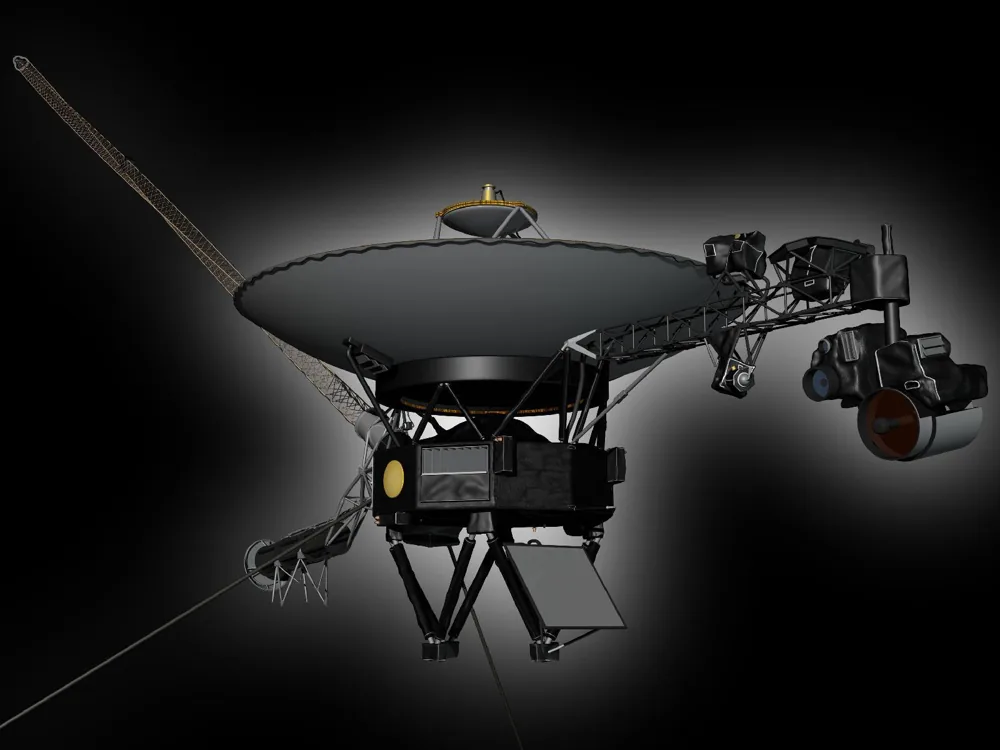
Voyager 2 flew past Jupiter, Saturn, Uranus and Neptune between 1979 and 1989. This grand tour revealed new moons and rings, along with the striking diversity of the four giant planets.
Initial objective : Flyby
After its Jupiter and Saturn flybys, Voyager 1 crossed beyond the heliosphere in 2012. Its instruments then directly measured the interstellar environment outside the bubble dominated by the solar wind.
Initial objective : Orbit insertion
Initial objective : Atmospheric investigation
Initial objective : Flyby
Initial objective : Flyby · Landing
Initial objective : Flyby · Landing
Initial objective : Flyby · Landing
Initial objective : Flyby · Landing
Initial objective : Orbit insertion
Initial objective : Orbit insertion
Initial objective : Landing · Flyby · Atmospheric investigation
Initial objective : Landing · Flyby · Atmospheric investigation
Initial objective : Flyby
Initial objective : Flyby
Initial objective : Flyby
Initial objective : Landing · Orbit insertion
Objective not fully achieved according to the chronology.
Initial objective : Landing · Orbit insertion
Objective not fully achieved according to the chronology.
Initial objective : Orbit insertion
Initial objective : Atmospheric investigation · Orbit insertion
Initial objective : Flyby · Orbit insertion
Initial objective : Flyby · Orbit insertion
Initial objective : Orbit insertion
Contact lost according to the chronology.
Initial objective : Flyby · Orbit insertion
Objective not fully achieved according to the chronology.
Initial objective : Orbit insertion
Measure the solar wind before it interacts with Earth’s magnetosphere.
Initial objective : Orbit insertion
Observe the Sun from its interior to its corona near the Sun–Earth L1 point.
Initial objective : Orbit insertion
Initial objective : Orbit insertion
Initial objective : Landing · Orbit insertion
Objective not fully achieved according to the chronology.
Initial objective : Rover exploration · Landing
Associated vehicles / other names : Sojourner
Initial objective : Orbit insertion
Analyse solar-wind particles and cosmic rays near L1.
Initial objective : Orbit insertion
During thirteen years around Saturn, Cassini studied its rings and moons. The mission revealed methane seas on Titan and evidence for a global ocean beneath Enceladus’s ice.
Initial objective : Atmospheric investigation
Carried by Cassini, Huygens landed on Titan on 14 January 2005. It measured the atmosphere and photographed a landscape shaped by flowing liquids, achieving the first landing in the outer Solar System.
Initial objective : Orbit insertion
Initial objective : Orbit insertion
Initial objective : Flyby
Initial objective : Orbit insertion
Objective not fully achieved according to the chronology.
Initial objective : Landing
Objective not fully achieved according to the chronology.
Initial objective : Landing
Objective not fully achieved according to the chronology.
Initial objective : Sample return
Associated vehicles / other names : NExT
Initial objective : Orbit insertion
Initial objective : Sample return
Initial objective : Flyby
Initial objective : Sample return · Orbit insertion
Initial objective : Landing · Orbit insertion
Associated vehicles / other names : Beagle 2
Initial objective : Rover exploration
Initial objective : Rover exploration
Initial objective : Orbit insertion · Technology demonstration
Test ion propulsion and investigate the composition of the lunar surface.
Initial objective : Landing · Orbit insertion
Rosetta accompanied comet 67P around the Sun to study its gases, dust and nucleus. In November 2014, it delivered Philae, the first spacecraft to land on a comet.
Associated vehicles / other names : Philae
Initial objective : Orbit insertion
Mercury’s first orbiter, MESSENGER mapped the surface and studied the magnetic field. Its measurements confirmed water ice in polar deposits sheltered from sunlight.
Initial objective : Impact
Associated vehicles / other names : EPOXI
Initial objective : Orbit insertion
Initial objective : Orbit insertion
Initial objective : Flyby
New Horizons revealed Pluto and its moons during its 2015 flyby. In January 2019, it explored Arrokoth, a small Kuiper Belt body, extending close-up exploration into the planetary frontier.
Initial objective : Orbit insertion
Two solar-orbiting observatories to study solar eruptions in three dimensions.
Initial objective : Landing
Initial objective : Orbit insertion
Associated vehicles / other names : Okina Ouna
Initial objective : Orbit insertion
Initial objective : Orbit insertion
Initial objective : Orbit insertion
Initial objective : Impact
Initial objective : Orbit insertion
Initial objective : Orbit insertion
Initial objective : Flyby · Technology demonstration
Demonstrate solar-sail propulsion and interplanetary navigation on a journey towards Venus.
Initial objective : Orbit insertion
Initial objective : Orbit insertion
Juno’s measurements revealed polar cyclones on Jupiter and atmospheric currents extending deep below the clouds. They also prompted revisions to models of the planet’s core and magnetic field.
Initial objective : Orbit insertion
Associated vehicles / other names : Ebb Flow
Initial objective : Landing
Objective not fully achieved according to the chronology.
Initial objective : Orbit insertion
Objective not fully achieved according to the chronology.
Initial objective : Rover exploration
At Gale Crater, Curiosity identified chemical and mineral evidence of ancient habitable environments. Its rock analyses help reconstruct a watery past that could have supported microbial life.
Initial objective : Orbit insertion
Initial objective : Orbit insertion
Initial objective : Orbit insertion
Initial objective : Rover exploration · Landing
Associated vehicles / other names : Yutu
Initial objective : Flyby
Initial objective : Sample return
Associated vehicles / other names : MASCOT MINERVA-II
Initial objective : Flyby
Initial objective : Orbit insertion
Measure the solar wind and observe Earth from near the Sun–Earth L1 point.
Initial objective : Landing · Orbit insertion
Associated vehicles / other names : Trace Gas Orbiter TGO Schiaparelli
Initial objective : Sample return
After collecting rocks and dust from Bennu in 2020, OSIRIS-REx delivered its capsule to Earth on 24 September 2023. These samples enable laboratory studies of ancient Solar System materials.
Associated vehicles / other names : OSIRIS-APEX
Initial objective : Landing
Initial objective : Communications relay
Initial objective : Flyby · Orbit insertion
In 2021, Parker Solar Probe became the first spacecraft to pass through the solar corona. It directly measured particles and magnetic fields there to help explain the origin of the solar wind.
Initial objective : Orbit insertion
Associated vehicles / other names : MPO Mio
Initial objective : Rover exploration · Landing
Associated vehicles / other names : Yutu 2
Initial objective : Landing
Initial objective : Rover exploration · Landing · Orbit insertion
Associated vehicles / other names : Vikram Pragyan
Initial objective : Orbit insertion
Initial objective : Orbit insertion
Initial objective : Rover exploration · Orbit insertion
Associated vehicles / other names : Zhurong
Initial objective : Rover exploration
At Jezero, Perseverance investigated evidence of an ancient lake and delta and collected samples. Its MOXIE experiment also demonstrated oxygen production from the Martian atmosphere.
Associated vehicles / other names : Ingenuity
Initial objective : Sample return
Initial objective : Flyby
Initial objective : Impact
Initial objective : Flyby
Initial objective : Orbit insertion · Technology demonstration
Initial objective : Orbit insertion
Initial objective : Orbit insertion
Initial objective : Orbit insertion
Initial objective : Orbit insertion
Initial objective : Flyby · Technology demonstration
Initial objective : Flyby
Initial objective : Landing
Initial objective : Landing
Initial objective : Orbit insertion
Initial objective : Flyby · Orbit insertion
Initial objective : Landing · Rover exploration
Associated vehicles / other names : Vikram Pragyan
Initial objective : Landing
Initial objective : Orbit insertion
Study the Sun from a halo orbit around the Sun–Earth L1 point.
Initial objective : Landing
Initial objective : Orbit insertion
Initial objective : Landing
Initial objective : Landing
Initial objective : Communications relay
Initial objective : Orbit insertion · Communications relay · Technology demonstration
Test Earth–Moon communications and navigation in formation with the other Tiandu satellite.
Initial objective : Orbit insertion · Communications relay · Technology demonstration
Test Earth–Moon communications and navigation in formation with the other Tiandu satellite.
Initial objective : Sample return
On 25 June 2024, Chang’e 6 returned the first samples collected from the Moon’s far side. The mission combined landing, sampling, ascent and a rendezvous in lunar orbit.
Initial objective : Orbit insertion
Associated vehicles / other names : Juventas Milani
Initial objective : Flyby · Orbit insertion
Initial objective : Landing
Initial objective : Rover exploration · Landing
Initial objective : Landing
Initial objective : Orbit insertion
Initial objective : Flyby · Technology demonstration
Attempt an imaging flyby of asteroid 2022 OB5 to prepare for small-body prospecting.
Initial objective : Sample return · Orbit insertion
Collect samples from 2016 HO3 for return to Earth, then explore comet 311P.
Initial objective : Orbit insertion
Observe Earth’s ultraviolet geocorona and its response to space weather from L1.
Initial objective : Orbit insertion
Map interactions at the boundary of the heliosphere from the Sun–Earth L1 point.
Initial objective : Orbit insertion
Observe solar wind and coronal mass ejections from L1 for space-weather forecasting.
Initial objective : Orbit insertion
Two probes to study how solar wind affects Mars’ magnetosphere and atmospheric loss.
Each record links to its documentation. Historical entries use NASA/NSSDC; additions and corrections use NASA, ESA, JAXA, ISRO, CNSA and mission operators. The images retain their full framing and their nature is identified.
Sources checked on 23 October 2026