No matching story. Try another word or show all origins.
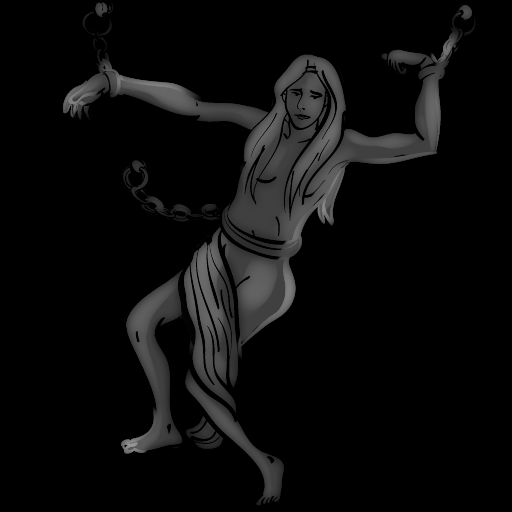
Ancient storiesAndromeda
And · Andromeda
Andromeda is chained to a rock to appease a sea monster after her mother Cassiopeia boasts of her beauty. Perseus intervenes and frees her. Their story links several neighbouring constellations; its “Ethiopia” belongs to the mythical geography of ancient writers.
Continue the story : Cassiopeia · Cepheus · Cetus · Perseus
Historical background ↗ · Back to the stories
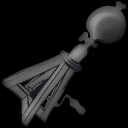
Science, arts and atlasesAntlia
Ant · Antlia
Lacaille placed scientific instruments in the southern sky during the eighteenth century. Antlia honours the air pump used to investigate vacuum and pressure. Its story belongs to experimental science rather than Greek mythology.
Continue the story : Fornax · Horologium
Historical background ↗ · Back to the stories
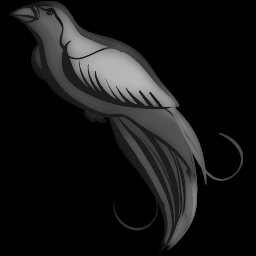
Voyages and southern skiesApus
Aps · Apus
The Bird of Paradise entered European celestial globes in the late sixteenth century through observations by Keyser and de Houtman. Apus means “without feet”, recalling an old misconception about these exotic birds.
Continue the story : Pavo · Tucana
Historical background ↗ · Back to the stories
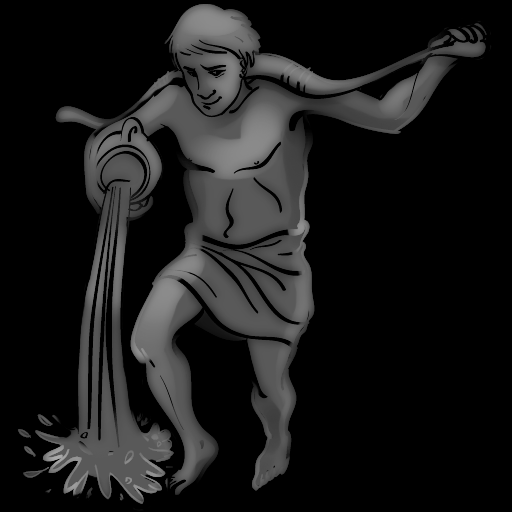
Ancient storiesAquarius
Aqr · Aquarius
The Water Bearer has several identities. Greek tradition associates him with Ganymede, cupbearer to the gods after his abduction by Zeus’s eagle. The figure also has older Mesopotamian connections with water, beyond this single Greek story.
Continue the story : Aquila · Piscis Austrinus
Historical background ↗ · Back to the stories
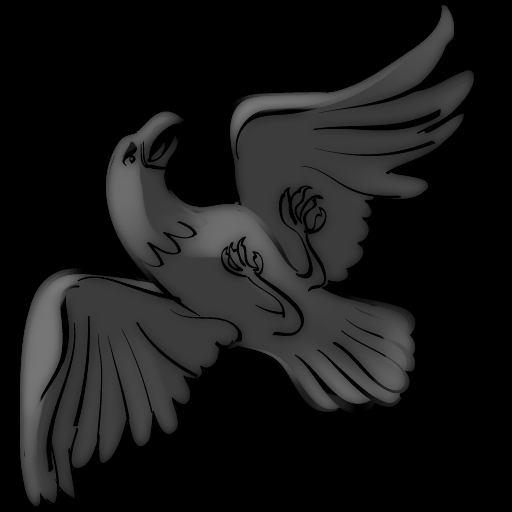
Ancient storiesAquila
Aql · Aquila
The Eagle serves Zeus and carries his thunderbolts. In one tradition it takes Ganymede to Olympus, where the young man becomes cupbearer to the gods. Aquarius provides a neighbouring chapter in this celestial story.
Continue the story : Aquarius · Lyra · Cygnus
Historical background ↗ · Back to the stories
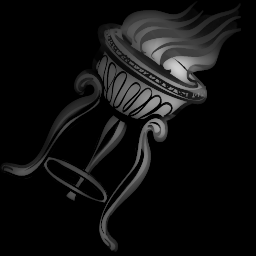
Ancient storiesAra
Ara · Ara
The Altar evokes offerings and sacred oaths. One tradition identifies it as the altar where the Olympian gods pledged their alliance before fighting the Titans. Historical illustrations often show flames or smoke rising from it.
Continue the story : Centaurus · Scorpius
Historical background ↗ · Back to the stories
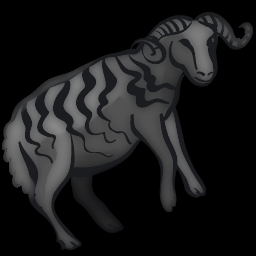
Ancient storiesAries
Ari · Aries
A golden-fleeced ram carries Phrixus and Helle away from danger. Helle falls during the journey, but Phrixus reaches Colchis. The fleece later becomes the prize sought by Jason and the Argonauts, linking Aries with the great ship Argo.
Continue the story : Carina · Puppis · Vela
Historical background ↗ · Back to the stories
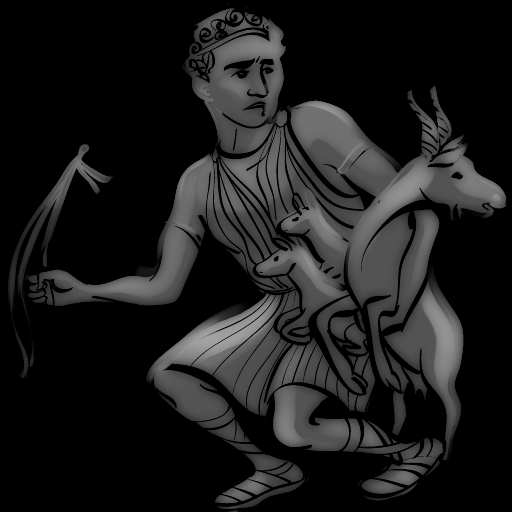
Ancient storiesAuriga
Aur · Auriga
The Charioteer is often identified with Erichthonius, a legendary Athenian king credited with a four-horse chariot. Capella and the little goats belong to another tradition connected with Zeus’s infancy. The constellation combines several ancient images.
Continue the story : Taurus · Gemini
Historical background ↗ · Back to the stories
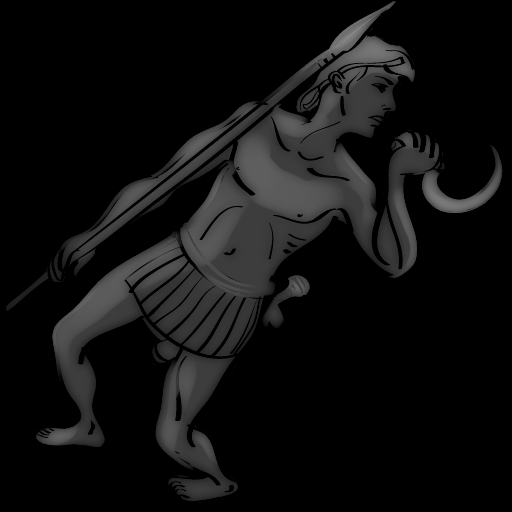
Ancient storiesBoötes
Boo · Boötes
Boötes can be a herdsman or a guardian of the Bear, an idea preserved in the name Arcturus. Ancient writers offered several identities for him. The Hunting Dogs shown on his leash in some atlases are a much later addition.
Continue the story : Ursa Major · Ursa Minor · Canes Venatici
Historical background ↗ · Back to the stories
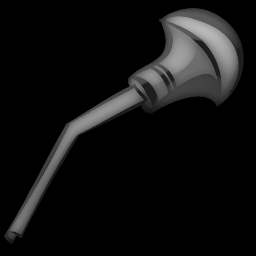
Science, arts and atlasesCaelum
Cae · Caelum
Caelum is an engraving tool placed in the sky by Lacaille in the eighteenth century. Alongside Pictor and Sculptor, it honours the arts and crafts involved in creating images and maps.
Continue the story : Sculptor · Pictor
Historical background ↗ · Back to the stories
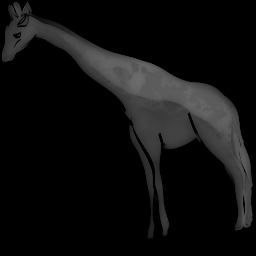
Science, arts and atlasesCamelopardalis
Cam · Camelopardalis
Plancius introduced the Giraffe in the early seventeenth century. Camelopardalis recalls an old description combining a camel’s shape with a leopard’s spots. The name describes a real animal rather than a mythical hybrid.
Continue the story : Ursa Major · Cassiopeia
Historical background ↗ · Back to the stories
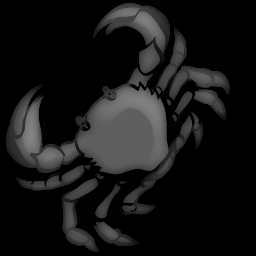
Ancient storiesCancer
Cnc · Cancer
While Heracles fights the Hydra of Lerna, Hera sends a crab to hinder him. The hero crushes the small attacker, but Hera gives it a place among the stars. Cancer remembers a tiny participant in a gigantic struggle.
Continue the story : Hercules · Hydra
Historical background ↗ · Back to the stories
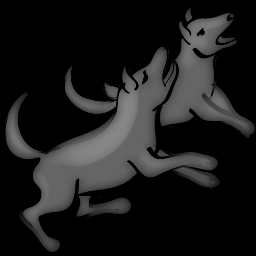
Science, arts and atlasesCanes Venatici
CVn · Canes Venatici
Hevelius introduced the Hunting Dogs in the seventeenth century. He placed them on leashes held by Boötes, apparently pursuing the Great Bear. The scene looks ancient, but the constellation is a modern atlas creation.
Continue the story : Boötes · Ursa Major
Historical background ↗ · Back to the stories
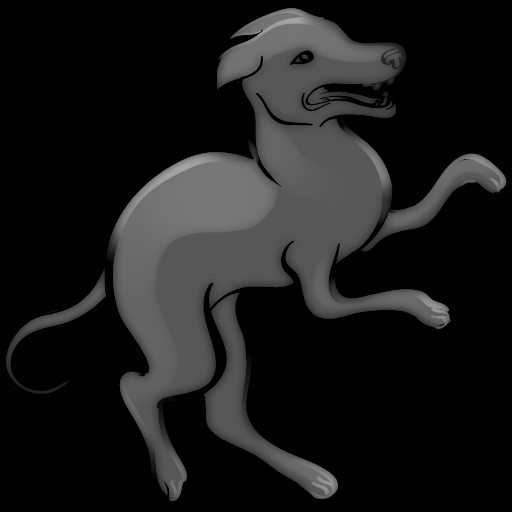
Ancient storiesCanis Major
CMa · Canis Major
The Great Dog often accompanies Orion on his celestial hunt, with brilliant Sirius marking the figure. Other stories identify it with Laelaps, a dog whose prey could never escape. Different traditions overlap in this animal shape.
Continue the story : Orion · Canis Minor · Lepus
Historical background ↗ · Back to the stories
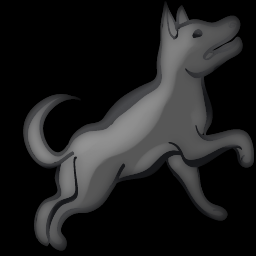
Ancient storiesCanis Minor
CMi · Canis Minor
The Little Dog is usually presented as Orion’s second companion. Another tradition connects it with Maera, the faithful dog in the story of Icarius and Erigone. A rich story can grow from a very simple pattern of stars.
Continue the story : Orion · Canis Major
Historical background ↗ · Back to the stories
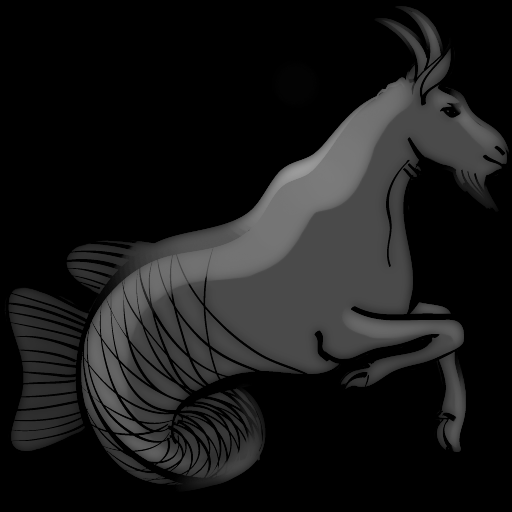
Ancient storiesCapricornus
Cap · Capricornus
The Sea-Goat has roots in Mesopotamian astronomy. In a Greek story, Pan escapes Typhon by entering the water and taking a form combining goat and fish. This later tale gives a new explanation to an older celestial image.
Continue the story : Aquarius · Pisces
Historical background ↗ · Back to the stories
Ancient storiesCarina
Car · Carina
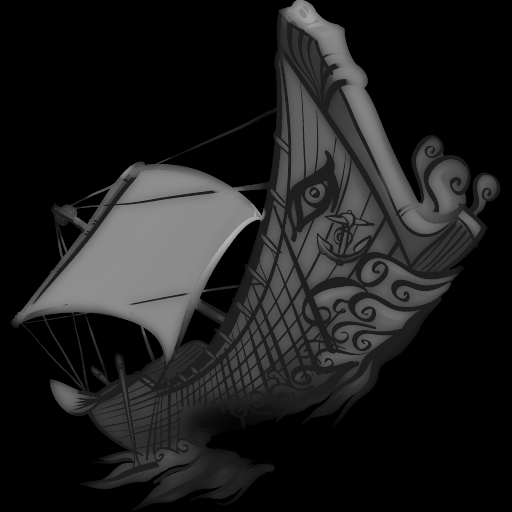
Carina is the hull of Argo, the ship carrying Jason and his companions to the Golden Fleece. Lacaille divided the enormous old ship constellation into Carina, Puppis and Vela in the eighteenth century. Three constellations preserve one mythical vessel.
Continue the story : Aries · Puppis · Vela
Historical background ↗ · Back to the stories
Ancient storiesCassiopeia
Cas · Cassiopeia
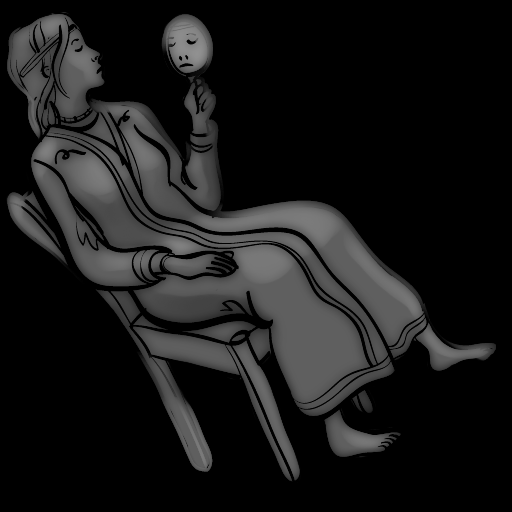
Cassiopeia boasts that she, or in some versions her daughter, surpasses the Nereids in beauty. Poseidon sends a sea monster against her kingdom. Her throne’s apparent rotation around the pole inspired the image of a queen repeatedly turned upside down.
Continue the story : Andromeda · Cepheus · Cetus
Historical background ↗ · Back to the stories
Ancient storiesCentaurus
Cen · Centaurus
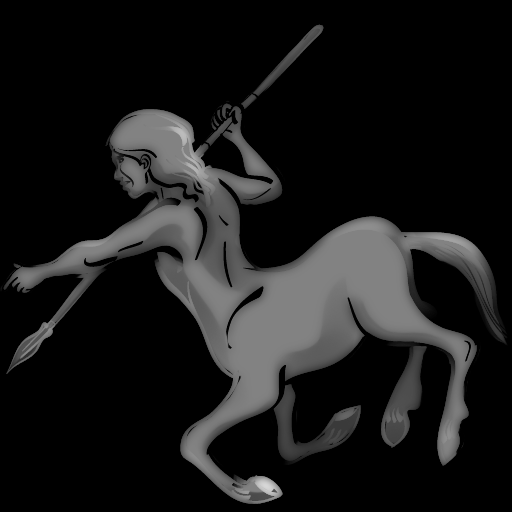
Centaurus is often associated with Chiron, the wise teacher of heroes. Wounded by a poisoned arrow connected with Heracles, the immortal centaur seeks release from his suffering. Not every tradition gives the celestial centaur the same identity.
Continue the story : Hercules · Sagittarius · Lupus
Historical background ↗ · Back to the stories
Ancient storiesCepheus
Cep · Cepheus
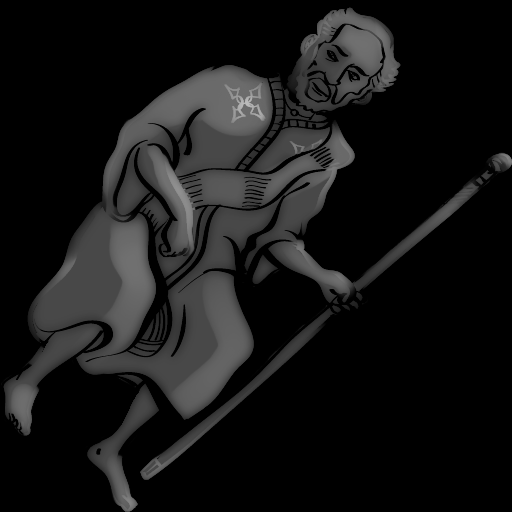
Cepheus is Cassiopeia’s husband and Andromeda’s father. Faced with a sea monster devastating his kingdom, he must accept the sacrifice of his daughter. Perseus changes the ending by rescuing her, while the king remains among his family in the sky.
Continue the story : Cassiopeia · Andromeda · Perseus
Historical background ↗ · Back to the stories
Ancient storiesCetus
Cet · Cetus
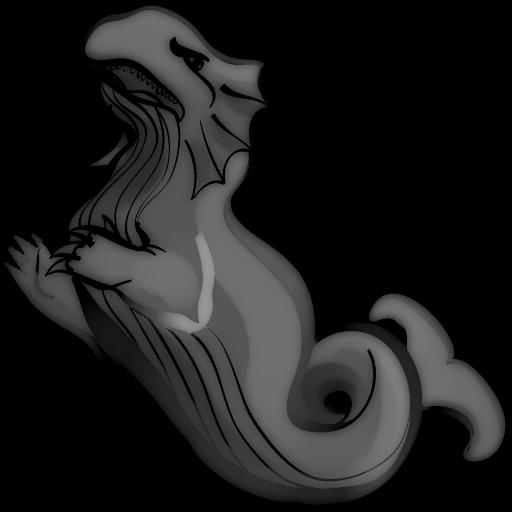
Despite its common name of Whale, Cetus is a sea monster in the Greek story. Sent by Poseidon after Cassiopeia’s boast, it threatens Andromeda. Historical artists gave it many fantastic shapes rather than the anatomy of a real whale.
Continue the story : Andromeda · Cassiopeia · Perseus
Historical background ↗ · Back to the stories
Voyages and southern skiesChamaeleon
Cha · Chamaeleon
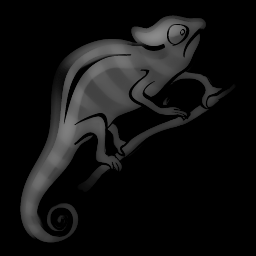
Chamaeleon entered European globes following the voyages of Keyser and de Houtman. In some atlases it seems to stalk nearby Musca, the Fly. This naturalistic scene belongs to early modern celestial mapping, not Greek myth.
Continue the story : Musca · Apus
Historical background ↗ · Back to the stories
Science, arts and atlasesCircinus
Cir · Circinus
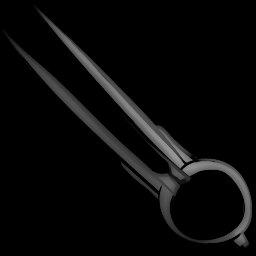
Lacaille’s Circinus is a drawing compass, not a navigational compass. Introduced in the eighteenth century, it celebrates geometry and drafting. Nearby Norma adds another instrument to this celestial toolbox.
Continue the story : Norma · Triangulum Australe
Historical background ↗ · Back to the stories
Voyages and southern skiesColumba
Col · Columba
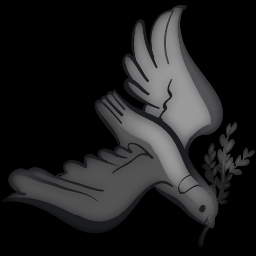
Plancius added Columba in the late sixteenth century. It notably evokes Noah’s dove returning with an olive branch after the Flood. Its position near the old ship Argo also encouraged associations with guiding birds in seafaring stories.
Continue the story : Carina · Puppis
Historical background ↗ · Back to the stories
Ancient storiesComa Berenices
Com · Coma Berenices
Queen Berenice II of Egypt vows to offer her hair if Ptolemy III returns safely from war. When the offering disappears from its sanctuary, the story places it among the stars. This legend surrounds a historical queen rather than an imaginary heroine.
Continue the story : Leo · Virgo
Historical background ↗ · Back to the stories

Ancient storiesCorona Australis
CrA · Corona Australis
Corona Australis forms a small arc south of Sagittarius. Traditions interpret it as a crown or wreath, sometimes linked to a neighbouring figure. Unlike Ariadne’s northern crown, it has no single universally accepted myth.
Continue the story : Sagittarius · Corona Borealis
Historical background ↗ · Back to the stories
Ancient storiesCorona Borealis
CrB · Corona Borealis
Ariadne helps Theseus escape the labyrinth, but he abandons her on Naxos. Dionysus finds and marries her. In one tradition her crown is placed among the stars, turning a tale of abandonment into a celestial symbol of union.
Continue the story : Hercules · Corona Australis
Historical background ↗ · Back to the stories
Ancient storiesCorvus
Crv · Corvus
Sent to fetch water for Apollo, the Crow waits for figs to ripen. It brings back a snake to excuse the delay. Apollo places the bird beside the Cup in the sky, yet the story condemns it to thirst despite the water’s apparent closeness.
Continue the story : Crater · Hydra
Historical background ↗ · Back to the stories
Ancient storiesCrater
Crt · Crater
Apollo gives the Crow a cup to fetch water. The bird delays near some figs, then blames a snake for its lateness. Apollo sees through the excuse. Cup, Crow and Water Snake remain together in the sky as parts of one tale.
Continue the story : Corvus · Hydra
Historical background ↗ · Back to the stories
Voyages and southern skiesCrux
Cru · Crux
These stars once belonged to Centaurus in the Greco-Roman tradition. European navigators and mapmakers later separated them into the Southern Cross. Other peoples of the southern hemisphere already knew these stars through their own figures and meanings.
Continue the story : Centaurus · Triangulum Australe
Historical background ↗ · Back to the stories
Ancient storiesCygnus
Cyg · Cygnus
Cygnus has several identities: Zeus in bird form in the story of Leda, or Orpheus transformed after death. There is no single Swan myth. Its long neck and outspread wings became a shared image for different stories.
Continue the story : Lyra · Aquila · Gemini
Historical background ↗ · Back to the stories
Ancient storiesDelphinus
Del · Delphinus
Threatened by sailors seeking his wealth, the musician Arion sings once more and leaps into the sea. A dolphin drawn by his music carries him ashore. Another tradition makes the Dolphin Poseidon’s messenger; both celebrate a helpful animal.
Continue the story : Lyra · Aquila
Historical background ↗ · Back to the stories
Voyages and southern skiesDorado
Dor · Dorado
Dorado is one of the animals added to European southern-sky charts in the late sixteenth century. It is generally identified with the dolphinfish, or mahi-mahi, rather than a goldfish. Nearby Volans recalls its flying-fish prey.
Continue the story : Volans · Carina
Historical background ↗ · Back to the stories
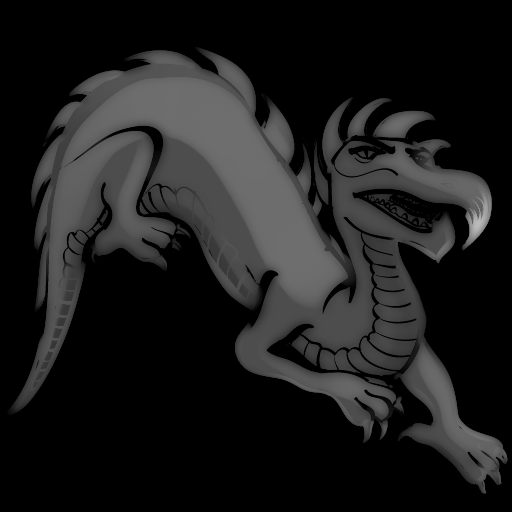
Ancient storiesDraco
Dra · Draco
Draco is often identified with Ladon, guardian of the golden apples of the Hesperides. Heracles must obtain the fruit during his labours, and in some versions defeats the guardian. Hero and dragon remain neighbours in the sky.
Continue the story : Hercules · Ursa Major
Historical background ↗ · Back to the stories
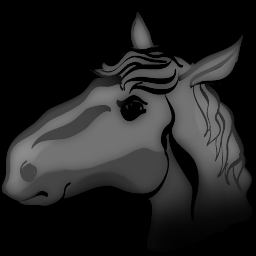
Ancient storiesEquuleus
Equ · Equuleus
Equuleus shows only a horse’s head and neck. Some traditions call it Celeris and connect it with Pegasus; others suggest a different legendary horse. Its identity is less settled than that of its winged neighbour.
Continue the story : Pegasus
Historical background ↗ · Back to the stories
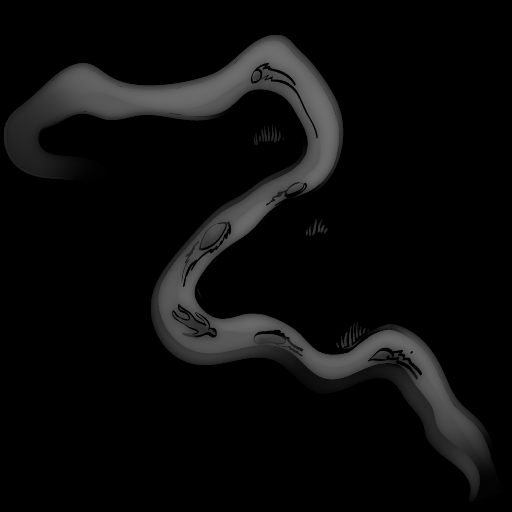
Ancient storiesEridanus
Eri · Eridanus
Phaethon tries to drive his father Helios’s solar chariot but loses control. Zeus strikes him down to stop the disaster, and he falls into the river Eridanus. Ancient writers disagreed about the river’s earthly identity; its winding celestial course endures.
Continue the story : Orion
Historical background ↗ · Back to the stories
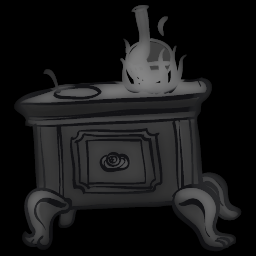
Science, arts and atlasesFornax
For · Fornax
Lacaille’s Furnace is a chemical furnace for experiments and transformations of matter. Introduced in the eighteenth century, it brings the laboratory into celestial atlases rather than depicting a god’s forge or an ancient legend.
Continue the story : Antlia · Microscopium
Historical background ↗ · Back to the stories
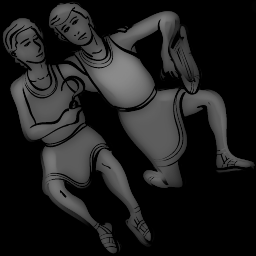
Ancient storiesGemini
Gem · Gemini
Castor and Pollux are inseparable brothers, but in a familiar version only Pollux is immortal. When Castor dies, Pollux refuses to remain alone. Zeus allows them to share their fate, making the Twins an image of enduring brotherhood.
Continue the story : Cygnus · Carina
Historical background ↗ · Back to the stories
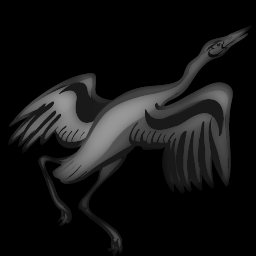
Voyages and southern skiesGrus
Gru · Grus
Grus belongs to the birds added to European atlases following observations by Keyser and de Houtman. Its long neck makes a distinctive outline. It recalls the travellers’ interest in animals as well as celestial landmarks.
Continue the story : Pavo · Phoenix · Tucana
Historical background ↗ · Back to the stories
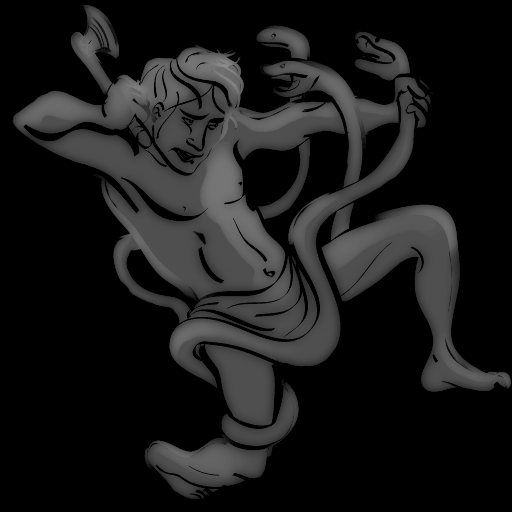
Ancient storiesHercules
Her · Hercules
Before being firmly identified as Heracles, this figure was known as the Kneeler. Tradition linked him to the hero of the twelve labours. Leo, Hydra and Draco extend his story across the sky, recalling monsters and seemingly impossible tasks.
Continue the story : Leo · Hydra · Draco
Historical background ↗ · Back to the stories
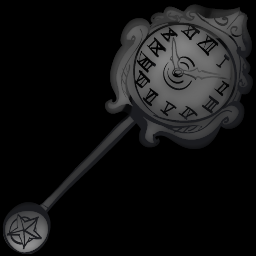
Science, arts and atlasesHorologium
Hor · Horologium
Horologium represents a pendulum clock, essential for timing observations accurately. Lacaille introduced it in the eighteenth century. It reminds us that celestial mapping also depends on clockmakers and instrument builders.
Continue the story : Antlia · Reticulum
Historical background ↗ · Back to the stories
Ancient storiesHydra
Hya · Hydra
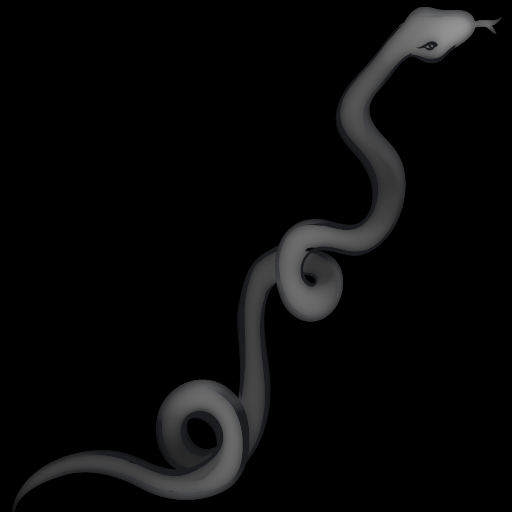
Hydra has several interpretations. It is the snake blamed by Apollo’s Crow for its delay, but is also associated with the Lernaean Hydra fought by Heracles. Astronomical figures and mythical monsters do not always match exactly; traditions overlap.
Continue the story : Corvus · Crater · Cancer
Historical background ↗ · Back to the stories
Voyages and southern skiesHydrus
Hyi · Hydrus
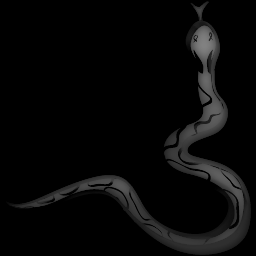
Hydrus is a late-sixteenth-century addition to European southern-sky maps. It represents a separate water snake, not the great ancient Hydra. Similar names do not make the two figures the same monster or another labour of Heracles.
Continue the story : Hydra · Dorado
Historical background ↗ · Back to the stories
Voyages and southern skiesIndus
Ind · Indus
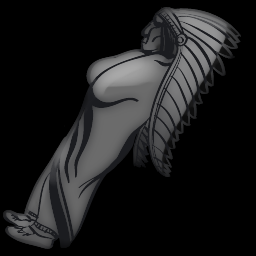
Indus was created by European mapmakers during the age of long-distance navigation. It reflects their depiction of peoples encountered abroad, without securely identifying a particular population. This historical figure is not itself an Indigenous constellation tradition.
Continue the story : Pavo · Tucana
Historical background ↗ · Back to the stories
Science, arts and atlasesLacerta
Lac · Lacerta
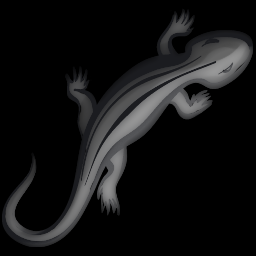
Hevelius introduced Lacerta between Cygnus and Andromeda in the late seventeenth century. No ancient adventure belongs to this little animal. Its appeal lies in the mapmaker’s ability to find a figure among inconspicuous stars.
Continue the story : Cygnus · Andromeda
Historical background ↗ · Back to the stories
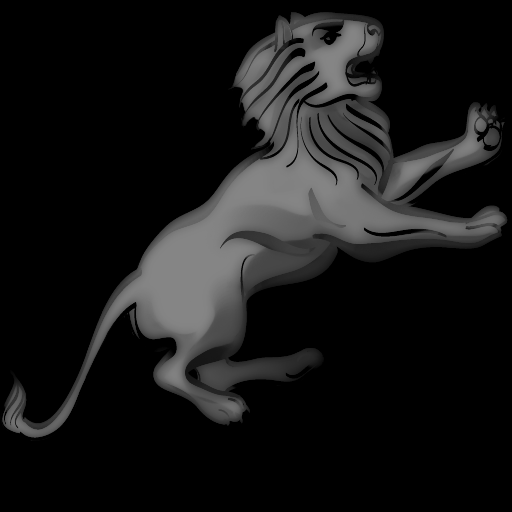
Ancient storiesLeo
Leo · Leo
Leo is associated with the Nemean Lion, whose hide resists ordinary weapons. Heracles defeats it with his bare hands during his first labour and wears its skin as protection. The celestial figure recalls this famous early opponent.
Continue the story : Hercules · Cancer
Historical background ↗ · Back to the stories
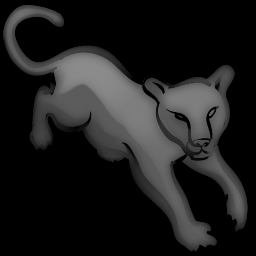
Science, arts and atlasesLeo Minor
LMi · Leo Minor
Hevelius placed Leo Minor between Leo and Ursa Major in the seventeenth century. The animal fills a gap in older figures. It is not the Nemean Lion and has no independent ancient myth; its story is cartographic.
Continue the story : Leo · Ursa Major
Historical background ↗ · Back to the stories
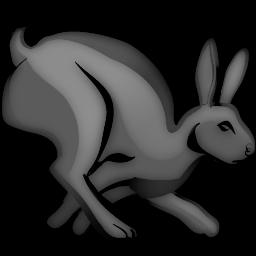
Ancient storiesLepus
Lep · Lepus
Lepus lies below Orion’s feet, close to his dogs. This arrangement creates a hunting scene in star atlases, although ancient authors offered other explanations too. The Hare is a companion in the picture rather than the hero of one settled myth.
Continue the story : Orion · Canis Major
Historical background ↗ · Back to the stories
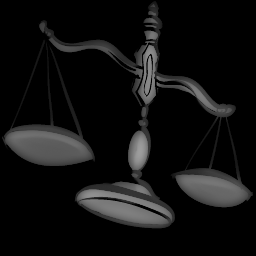
Ancient storiesLibra
Lib · Libra
Libra’s stars have also been seen as the Scorpion’s claws. The scales have Mesopotamian roots and became prominent in Roman tradition. Their association with justice and nearby Virgo shows how one star group can change meaning over time.
Continue the story : Virgo · Scorpius
Historical background ↗ · Back to the stories
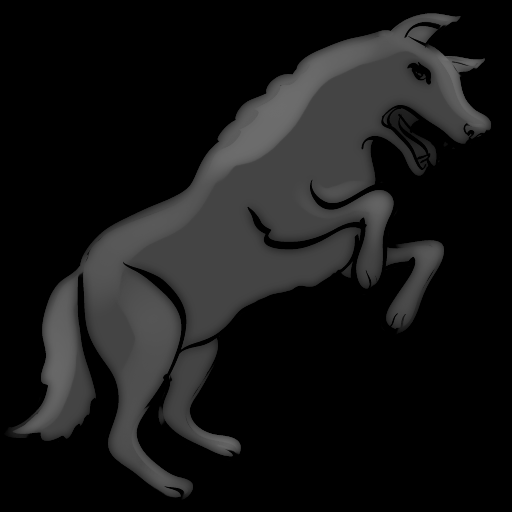
Ancient storiesLupus
Lup · Lupus
In ancient imagery the Centaur holds or overcomes an animal whose species is not always specified. This beast gradually became the Wolf of later atlases. A modern constellation name can therefore be more definite than its earliest identity.
Continue the story : Centaurus · Ara
Historical background ↗ · Back to the stories
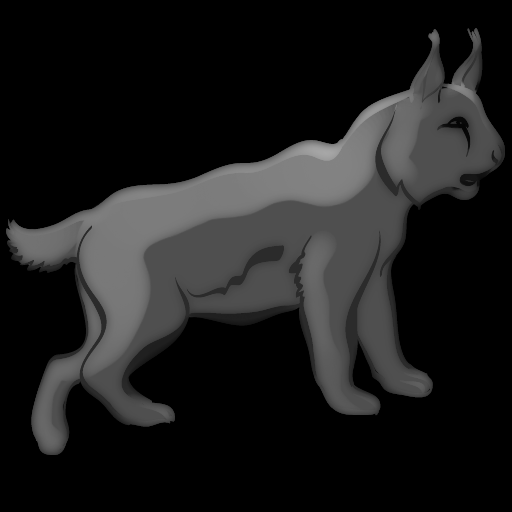
Science, arts and atlasesLynx
Lyn · Lynx
Hevelius chose the Lynx for a constellation of faint stars, joking that keen lynx-like eyesight was needed to see it. This is a seventeenth-century observer’s playful remark rather than an inherited ancient legend.
Continue the story : Ursa Major · Leo Minor
Historical background ↗ · Back to the stories
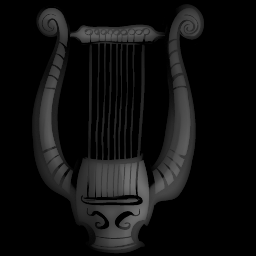
Ancient storiesLyra
Lyr · Lyra
Lyra is Orpheus’s instrument, whose music moves animals, trees and even the powers of the underworld. He tries to recover Eurydice but loses her by looking back too soon. After his death, his instrument is placed among the stars.
Continue the story : Cygnus · Delphinus
Historical background ↗ · Back to the stories
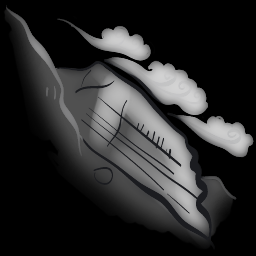
Science, arts and atlasesMensa
Men · Mensa
Mensa is not a dining table. Lacaille named it after Table Mountain near Cape Town, where he observed the southern sky. The Large Magellanic Cloud suggests the cloud “tablecloth” sometimes covering the mountain: a remembered landscape placed among the stars.
Continue the story : Horologium · Octans
Historical background ↗ · Back to the stories
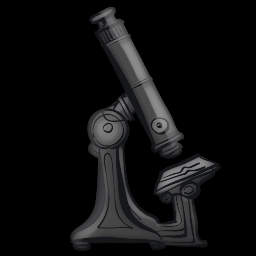
Science, arts and atlasesMicroscopium
Mic · Microscopium
Microscopium honours the instrument that reveals the very small. Lacaille placed it in the southern sky in the eighteenth century. Near Telescopium, it suggests two complementary ways to expand knowledge: looking far away and looking closely.
Continue the story : Telescopium · Fornax
Historical background ↗ · Back to the stories
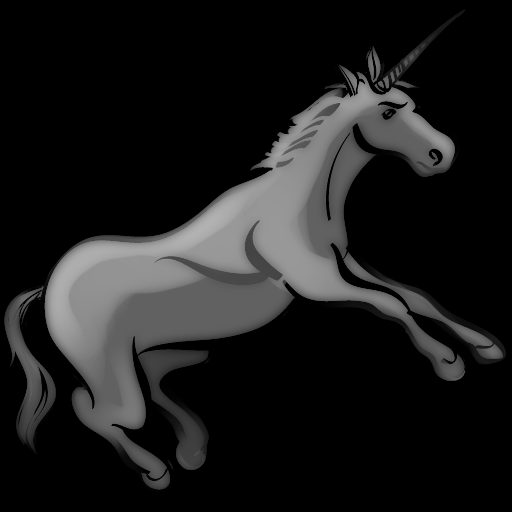
Science, arts and atlasesMonoceros
Mon · Monoceros
Monoceros appeared on Plancius’s globes in the early seventeenth century. The unicorn was already familiar in European bestiaries and imagination, but its constellation is modern. A legendary creature need not belong to an ancient star pattern.
Continue the story : Orion · Canis Minor
Historical background ↗ · Back to the stories
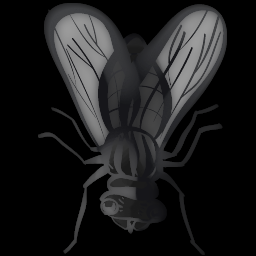
Voyages and southern skiesMusca
Mus · Musca
Musca comes from late-sixteenth-century southern-sky mapping. The figure was also called a bee before the fly’s name prevailed. Near Chamaeleon it creates a small animal scene, without a Greek hero or deity.
Continue the story : Chamaeleon · Apus
Historical background ↗ · Back to the stories
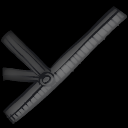
Science, arts and atlasesNorma
Nor · Norma
Despite some translated names, Norma chiefly represents a drafting or carpenter’s square. Lacaille introduced it in the eighteenth century among the southern instruments. Its theme is accurate angles and careful workmanship, not mythology.
Continue the story : Circinus · Triangulum Australe
Historical background ↗ · Back to the stories
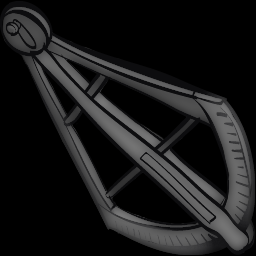
Science, arts and atlasesOctans
Oct · Octans
The octant is a navigational instrument for measuring angles, including a star’s altitude. Lacaille honoured it in the eighteenth century. Its constellation contains the south celestial pole, giving a terrestrial navigation tool a notable place in the sky.
Continue the story : Mensa · Pyxis
Historical background ↗ · Back to the stories
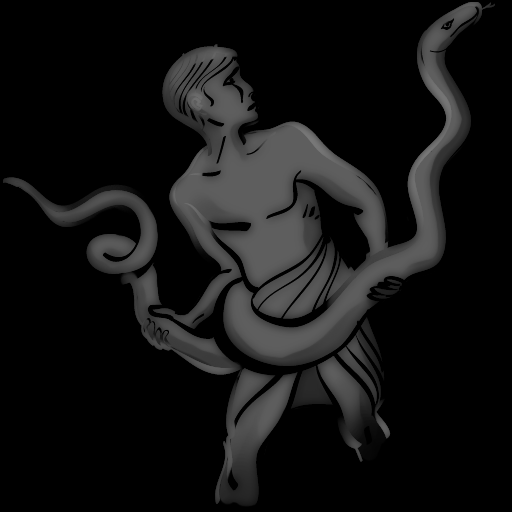
Ancient storiesOphiuchus
Oph · Ophiuchus
Ophiuchus, the Serpent Bearer, is often identified with the healer Asclepius. In myth his skill becomes powerful enough to restore the dead, until Zeus strikes him with a thunderbolt. His celestial image links the healer with a snake and renewal.
Continue the story : Serpens · Centaurus
Historical background ↗ · Back to the stories
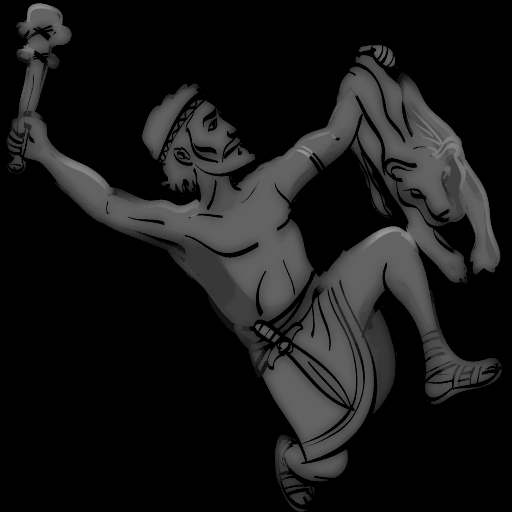
Ancient storiesOrion
Ori · Orion
Orion is a giant hunter whose adventures vary between authors. In one famous version, a scorpion kills him after he threatens the Earth’s animals. Their widely separated places in the sky continue their opposition through the changing seasons.
Continue the story : Scorpius · Canis Major · Canis Minor · Lepus
Historical background ↗ · Back to the stories
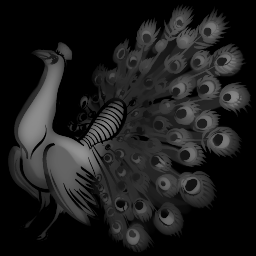
Voyages and southern skiesPavo
Pav · Pavo
Pavo entered European globes through southern observations in the late sixteenth century. The peacock has mythological associations, including Hera, but this constellation was created in the age of navigation. The animal’s legends and the constellation’s origin are different histories.
Continue the story : Grus · Phoenix · Tucana
Historical background ↗ · Back to the stories
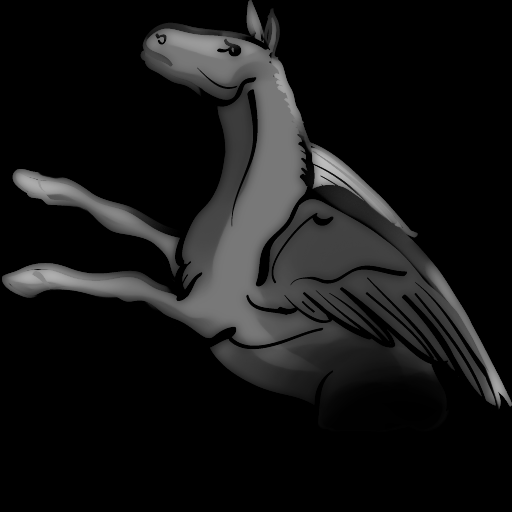
Ancient storiesPegasus
Peg · Pegasus
Pegasus is born at Medusa’s death and is chiefly Bellerophon’s mount in the fight against the Chimera. Later images often connect him with Perseus rescuing Andromeda, whereas ancient accounts generally give Perseus winged sandals.
Continue the story : Perseus · Andromeda · Equuleus
Historical background ↗ · Back to the stories
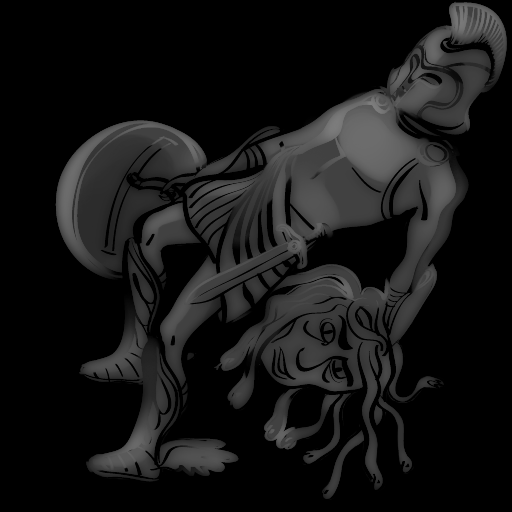
Ancient storiesPerseus
Per · Perseus
Perseus faces Medusa, whose gaze turns people to stone, using a shield’s reflection rather than looking directly at her. On his return he rescues Andromeda. Atlases show him holding the Gorgon’s head, with Algol marking part of her fearsome face.
Continue the story : Andromeda · Cassiopeia · Cetus · Pegasus
Historical background ↗ · Back to the stories
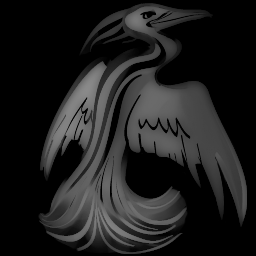
Voyages and southern skiesPhoenix
Phe · Phoenix
The Phoenix, a bird of renewal, is much older as a legend than as a constellation. Its celestial figure entered European southern-sky charts in the late sixteenth century, combining an ancient imaginary creature with early modern mapping.
Continue the story : Pavo · Grus · Tucana
Historical background ↗ · Back to the stories
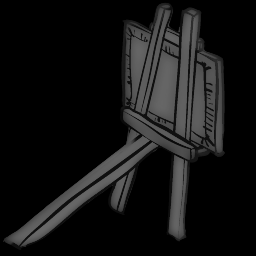
Science, arts and atlasesPictor
Pic · Pictor
Lacaille’s Pictor originally represented the painter’s easel. Its shortened name can suggest a human figure, but the eighteenth-century constellation honours the artist’s equipment and the practice of the arts.
Continue the story : Sculptor · Caelum
Historical background ↗ · Back to the stories
Ancient storiesPisces
Psc · Pisces
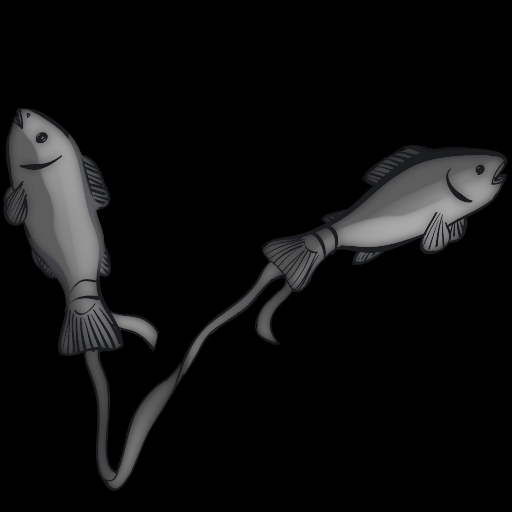
Fleeing Typhon, Aphrodite and Eros enter a river. In different versions they become fish or are rescued by fish. A cord joins the celestial pair. This Greek tale overlays a star pattern with older Mesopotamian roots.
Continue the story : Capricornus · Piscis Austrinus
Historical background ↗ · Back to the stories
Ancient storiesPiscis Austrinus
PsA · Piscis Austrinus
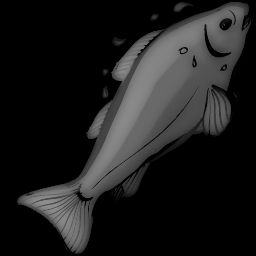
The Southern Fish is an ancient figure with Near Eastern aquatic associations. Atlases often show it receiving Aquarius’s water in its mouth, marked by Fomalhaut. Its links with the zodiacal Fishes vary rather than forming one fixed family story.
Continue the story : Aquarius · Pisces
Historical background ↗ · Back to the stories
Ancient storiesPuppis
Pup · Puppis
Puppis is the stern of Argo, Jason and the Argonauts’ ship. Its stars recall the voyage to Colchis and the Golden Fleece. It has no separate adventure: Carina, Puppis and Vela are mapped portions of the same vessel.
Continue the story : Carina · Vela · Aries
Historical background ↗ · Back to the stories
Science, arts and atlasesPyxis
Pyx · Pyxis
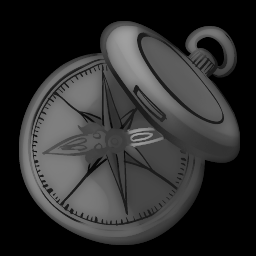
Lacaille added the Mariner’s Compass near the old ship Argo in the eighteenth century. It evokes navigation but is not part of the ancient Argonaut story. Its location creates a modern association between a real instrument and a mythical vessel.
Continue the story : Carina · Puppis · Vela
Historical background ↗ · Back to the stories
Science, arts and atlasesReticulum
Ret · Reticulum
Reticulum honours the reference grid inside an observing instrument used to measure positions. Lacaille reshaped an earlier figure called Rhombus. The constellation recalls small practical improvements that make astronomy more precise.
Continue the story : Horologium · Telescopium
Historical background ↗ · Back to the stories
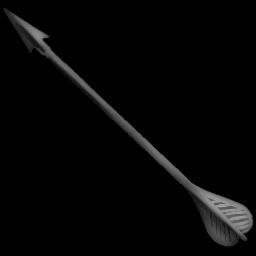
Ancient storiesSagitta
Sge · Sagitta
This small Arrow has been assigned to several divine or heroic archers. One tradition makes it Heracles’ weapon against the eagle tormenting Prometheus. Other authors offer different origins: the object is clear, but its owner varies.
Continue the story : Hercules · Aquila
Historical background ↗ · Back to the stories
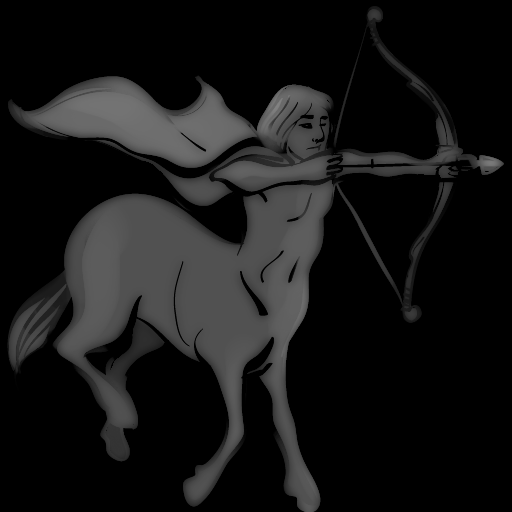
Ancient storiesSagittarius
Sgr · Sagittarius
Sagittarius is usually drawn as a horse-bodied archer. One tradition identifies him with Crotus, the Muses’ companion and a skilled bowman. Chiron is another familiar identification, but is also closely associated with the separate constellation Centaurus.
Continue the story : Centaurus · Corona Australis
Historical background ↗ · Back to the stories
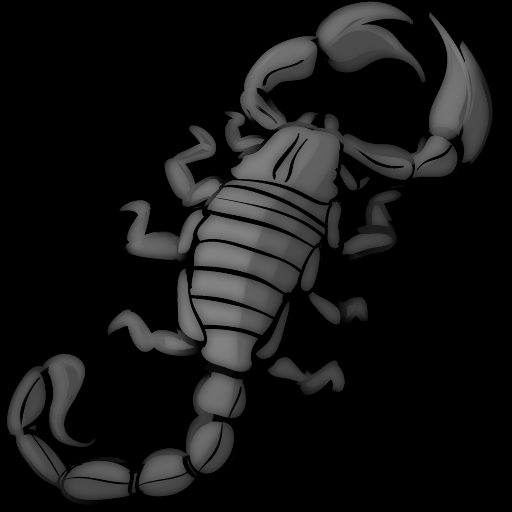
Ancient storiesScorpius
Sco · Scorpius
Scorpius is Orion’s adversary in several Greek stories. The deity sending it varies, but it brings down the powerful hunter. Their widely separated celestial positions inspired the idea that Orion still flees when his enemy rises.
Continue the story : Orion · Libra
Historical background ↗ · Back to the stories
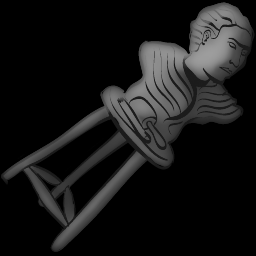
Science, arts and atlasesSculptor
Scl · Sculptor
Lacaille originally imagined a sculptor’s workshop with its tools, rather than a lone person. The name was later shortened to Sculptor. This eighteenth-century constellation gives craftsmanship and art a place among the heroes and monsters.
Continue the story : Pictor · Caelum
Historical background ↗ · Back to the stories
Science, arts and atlasesScutum
Sct · Scutum
Hevelius created the Shield in the seventeenth century to honour Poland’s King John III Sobieski. It recalls how star atlases also celebrated rulers and patrons. The current official name, Scutum, retains only the object: a shield.
Continue the story : Vulpecula · Lynx
Historical background ↗ · Back to the stories
Ancient storiesSerpens
Ser · Serpens
Serpens is held by Ophiuchus, often associated with Asclepius. Stories link the healer’s knowledge to snakes and life-restoring herbs. In today’s sky boundaries its head and tail occupy separate regions, yet remain one constellation.
Continue the story : Ophiuchus
Historical background ↗ · Back to the stories
Science, arts and atlasesSextans
Sex · Sextans
Sextans commemorates an instrument used by Hevelius to measure stellar positions. This seventeenth-century constellation belongs to observational history. It should not be confused with the later reflecting sextant familiar from marine navigation.
Continue the story : Lynx · Leo Minor
Historical background ↗ · Back to the stories
Ancient storiesTaurus
Tau · Taurus
Taurus is notably associated with Zeus taking a bull’s form to carry Europa to Crete. The figure has older roots than this Greek tale. The Pleiades and Hyades in the same region have stories of their own, layering several traditions within one constellation.
Continue the story : Orion · Auriga
Historical background ↗ · Back to the stories
Science, arts and atlasesTelescopium
Tel · Telescopium
Lacaille introduced Telescopium in the eighteenth century to celebrate an instrument that transformed astronomy. Early illustrations show a long, cumbersome telescope unlike many modern designs. Its story concerns changing ways of observing, not a divine adventure.
Continue the story : Microscopium · Reticulum
Historical background ↗ · Back to the stories
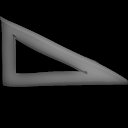
Ancient storiesTriangulum
Tri · Triangulum
The Greeks knew Triangulum as a shape resembling the letter delta. Traditions connected it with the Nile delta or Sicily. Instead of a hero or monster, this geometric figure brings writing and geography into the sky.
Continue the story : Triangulum Australe · Andromeda
Historical background ↗ · Back to the stories
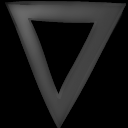
Voyages and southern skiesTriangulum Australe
TrA · Triangulum Australe
Triangulum Australe appeared on European maps in the late sixteenth century. Its simple geometry provides a southern landmark. Unlike the ancient northern Triangle, its history mainly concerns navigation, measurement and new celestial globes.
Continue the story : Triangulum · Circinus · Norma
Historical background ↗ · Back to the stories
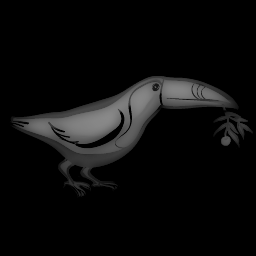
Voyages and southern skiesTucana
Tuc · Tucana
Tucana belongs to the birds added to European globes after late-sixteenth-century voyages. Its name and illustrations reflect fascination with exotic species, sometimes imperfectly described. Its origin is naturalistic and cartographic rather than an ancient southern myth.
Continue the story : Apus · Pavo
Historical background ↗ · Back to the stories

Ancient storiesUrsa Major
UMa · Ursa Major
In a Greek tale, Callisto is changed into a bear after Zeus loves her, then placed among the stars to escape danger. The Big Dipper is only part of this constellation. Other cultures have seen different animals, vehicles and figures in these stars.
Continue the story : Ursa Minor · Boötes · Draco
Historical background ↗ · Back to the stories
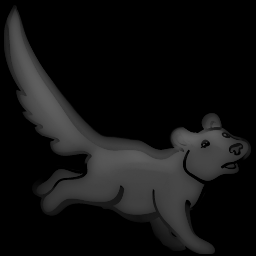
Ancient storiesUrsa Minor
UMi · Ursa Minor
Ursa Minor is sometimes identified with Arcas, Callisto’s son; other traditions recall protectors of the infant Zeus. These are alternative stories, not one continuous tale. Its position near the pole also made it a valuable navigational guide.
Continue the story : Ursa Major · Boötes
Historical background ↗ · Back to the stories
Ancient storiesVela
Vel · Vela
Vela recalls the sails carrying Argo towards the Golden Fleece. After the enormous ship constellation was divided, this part retained its own identity. Its story remains Jason’s voyage and should be read with Carina and Puppis.
Continue the story : Carina · Puppis · Aries
Historical background ↗ · Back to the stories
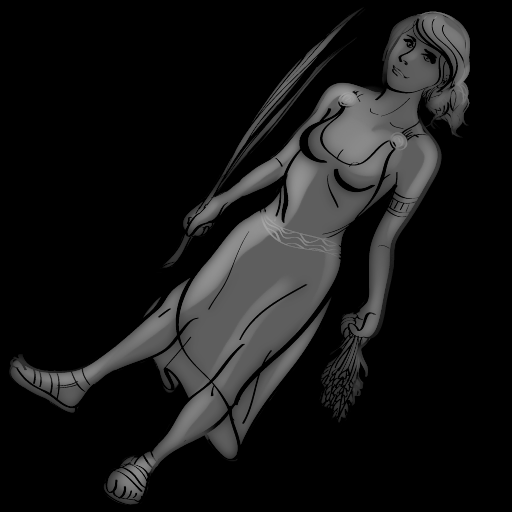
Ancient storiesVirgo
Vir · Virgo
Virgo has been associated with several female figures, including Justice, called Dike or Astraea, and deities of the harvest. Her ear of grain, recalled in the name Spica, preserves the agricultural theme. Ancient authors did not agree on one identity.
Continue the story : Libra · Coma Berenices
Historical background ↗ · Back to the stories
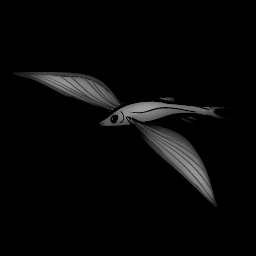
Voyages and southern skiesVolans
Vol · Volans
Fish leaping and gliding above the water impressed navigators. In the late sixteenth century they entered European globes as Volans. Near Dorado, their natural predator, a maritime observation became a small celestial scene.
Continue the story : Dorado · Carina
Historical background ↗ · Back to the stories
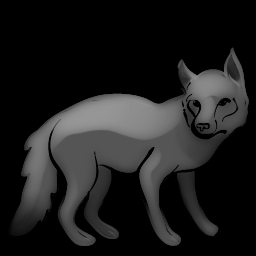
Science, arts and atlasesVulpecula
Vul · Vulpecula
Hevelius drew a little fox carrying a goose in the seventeenth century. The original name mentioned both animals, but only Vulpecula remains in the official nomenclature. This is a scene created for an atlas, not a lost Greek myth.
Continue the story : Scutum · Lynx
Historical background ↗ · Back to the stories